Can dogs get the flu? It’s a question that pops up more often than you’d think, especially when you notice your pup sneezing or acting a little off. Just like humans, dogs can catch their own version of the flu, and it’s worth knowing the signs so you can act fast. Whether you’ve got a senior dog with a weaker immune system or a playful puppy who loves to sniff every bush, understanding canine flu helps you keep them safe and comfortable.
I remember when my neighbor’s dog came down with the flu she thought it was just a little cough, but within days, the whole household was sneezing. A quick call to the vet saved the pup from feeling miserable for weeks.
Key Things to Understand
- Canine influenza is a real risk: especially in places where dogs gather like parks, grooming salons, or boarding facilities.
- There are two main strains: H3N2 and H3N8, both highly contagious among dogs.
- Symptoms include: coughing, sneezing, fever, lethargy, and loss of appetite.
- Most dogs recover with proper care: but puppies, seniors, and dogs with other health issues are at higher risk.
- Vaccines are available: and recommended for dogs that are frequently exposed to other dogs.
What to Look For
Watch for a persistent cough that sounds like a honk or gag, which is a classic sign of canine flu. Unlike a simple kennel cough, flu symptoms often come with a fever and fatigue, so if your dog seems unusually tired or refuses food, it’s worth paying attention. Pay close attention to their energy levels: if they’re sleeping more than usual or seem reluctant to play, it could be more than just a bad day. Also, check their nose and eyes for any unusual discharge, as this can indicate a secondary infection setting in.

I once made the mistake of giving my dog a children’s cold syrup, thinking it would help. Turns out, it made him even more sluggish. Always double-check with your vet before giving any medication, even if it seems harmless.
Daily Care Habits
If your dog is recovering from the flu, keep their environment clean and well-ventilated to prevent reinfection. Wash their bedding and toys regularly with hot water to kill any lingering germs. Offer small, frequent meals to encourage eating without overwhelming their system.
Choosing the Right Product
Look for dog-safe humidifiers to ease congestion, especially if your dog’s cough is dry and hacking. Avoid over-the-counter cough suppressants unless your vet specifically recommends them, as some can do more harm than good.
Safety and Comfort
Keep your dog warm and cozy, but avoid overheating them with thick blankets if they’re running a fever. Monitor their temperature with a pet-safe thermometer, and call your vet if it stays above 103°F for more than a few hours.
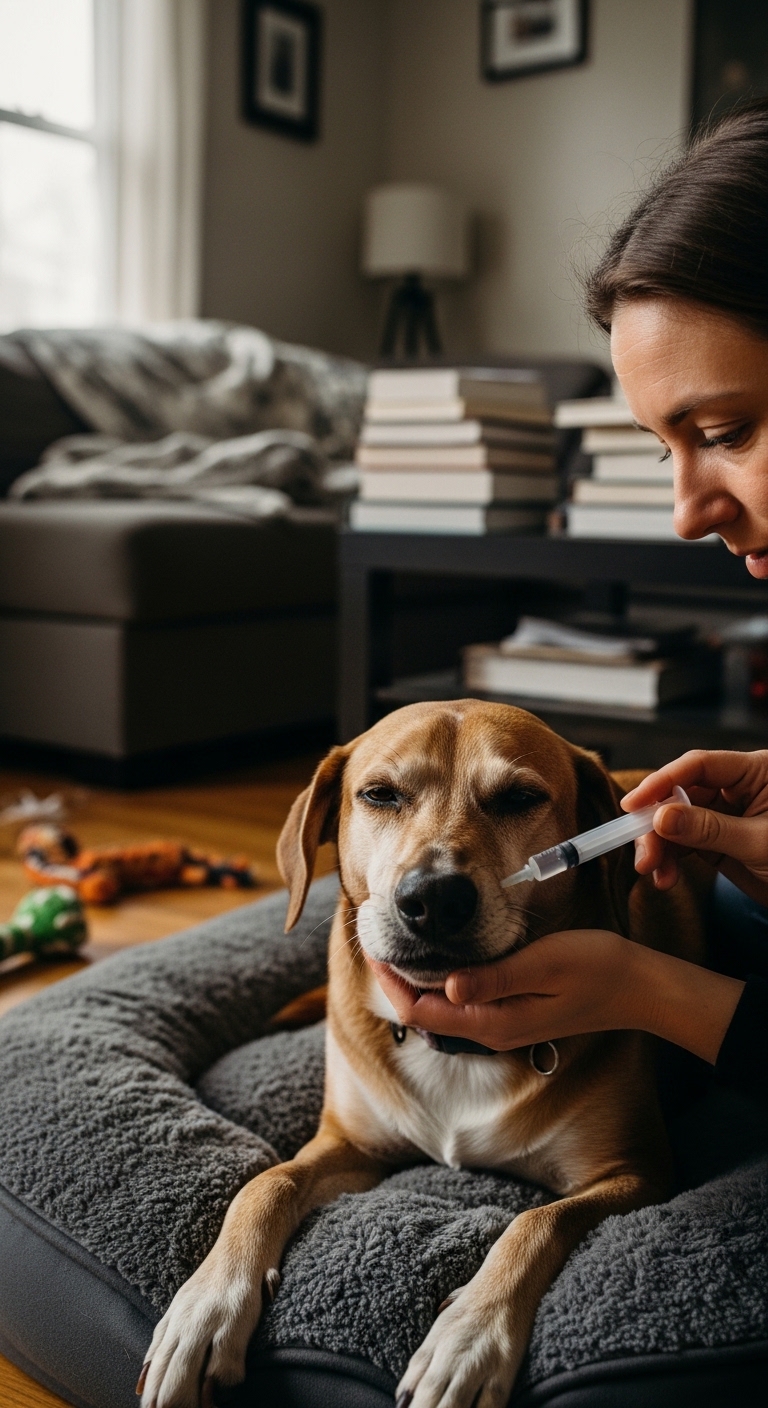
Understanding canine flu ensures you’re prepared to act quickly and keep your dog healthy. Stay informed and proactive.
Frequently Asked Questions
- → What are the common signs of dog flu?
Watch for persistent coughing, sneezing, fever, lethargy, loss of appetite, or thick nasal discharge. Some dogs may develop secondary infections like pneumonia.
- → How is canine influenza transmitted?
Dog flu spreads through respiratory droplets from coughing or sneezing, direct contact with infected dogs, or contaminated surfaces like bowls, leashes, or bedding.
- → Is there a vaccine for dog flu?
Yes, vaccines are available for both H3N2 and H3N8 strains. Ask your vet if vaccination is recommended based on your dog’s lifestyle and local risk factors.
- → Can humans get the flu from dogs?
No, canine influenza is species-specific and cannot be transmitted to humans. However, rare cases of dog-to-cat transmission have been reported.
- → How long does dog flu last?
Most dogs recover within 2-3 weeks, but severe cases may take longer. Supportive care, hydration, and rest are crucial for recovery.
- → What should I do if my dog has flu symptoms?
Isolate your dog from other pets, monitor their temperature, and contact your vet. Avoid public spaces to prevent spreading the virus to other dogs.
- → Are certain dog breeds more susceptible?
While all dogs can get the flu, brachycephalic breeds (like bulldogs) and those with pre-existing conditions may experience more severe symptoms.