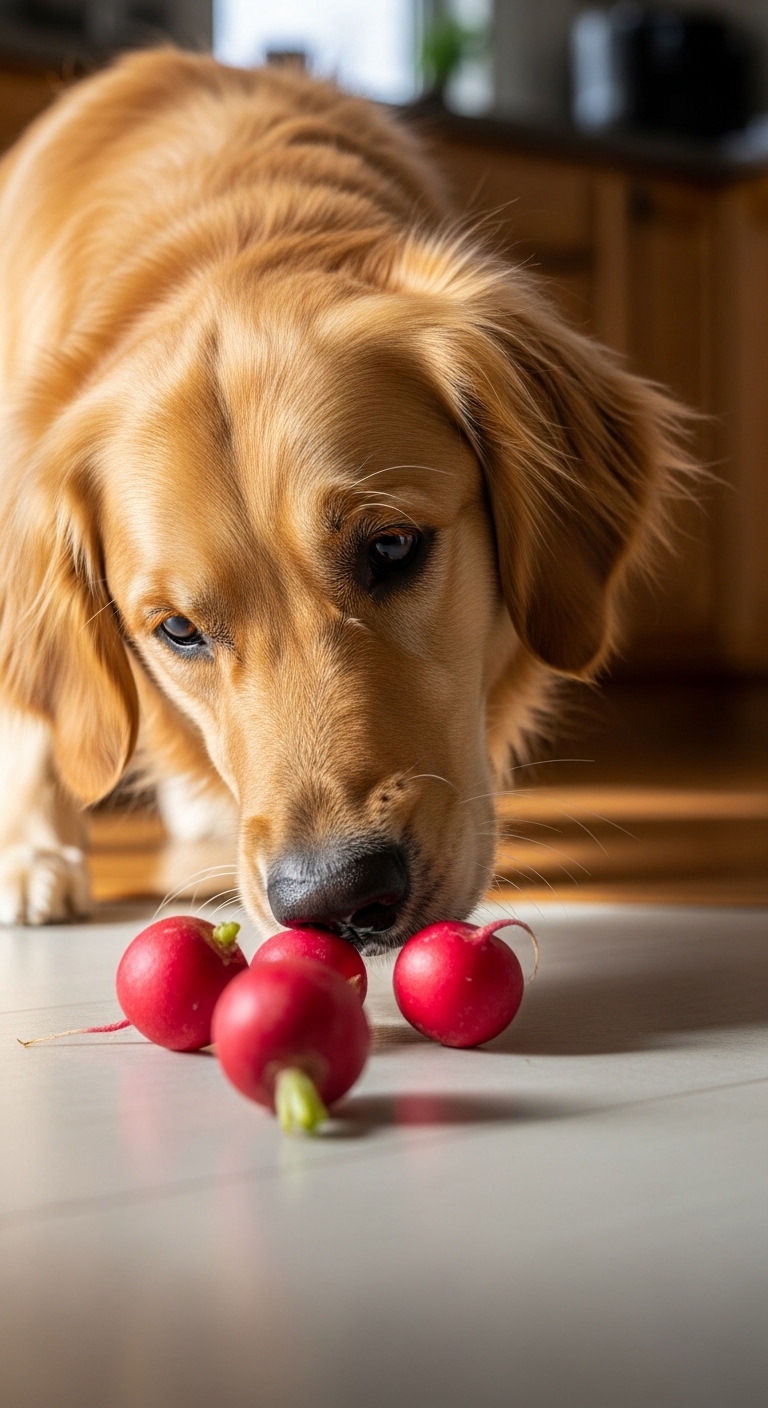
Can dogs eat pasta? It’s a question that pops up in every pet owner’s mind when they’re sharing a meal and their furry friend is giving them those big, hopeful eyes. Pasta is a staple in many households, but when it comes to our pets, not all human foods are safe. Knowing what’s okay to share and what’s not can save you a trip to the vet and keep your dog happy and healthy.
I remember the first time I gave my dog a tiny piece of plain pasta. His reaction was priceless, but I also learned quickly that too much made him sluggish the next day. It’s all about balance and knowing your dog’s limits.
Key Things to Understand
- Plain cooked pasta: without any sauce or seasoning is generally safe for dogs in small amounts
- Whole wheat or whole grain pasta: is a better choice than white pasta because it has more fiber
- Avoid pasta with garlic, onions, or heavy sauces: as these can be toxic to dogs
- Portion size matters: dogs should only have pasta as an occasional treat, not a regular meal
- Watch for signs of digestive upset: like vomiting or diarrhea after eating pasta
What to Look For
When considering pasta for your dog, the first thing to check is the ingredients. Plain pasta with no added flavors, oils, or seasonings is the safest option. If you’re using store-bought pasta, read the label carefully to ensure there are no harmful additives. Fresh pasta is usually a better choice because it doesn’t contain preservatives or extra ingredients that might not agree with your dog’s stomach.
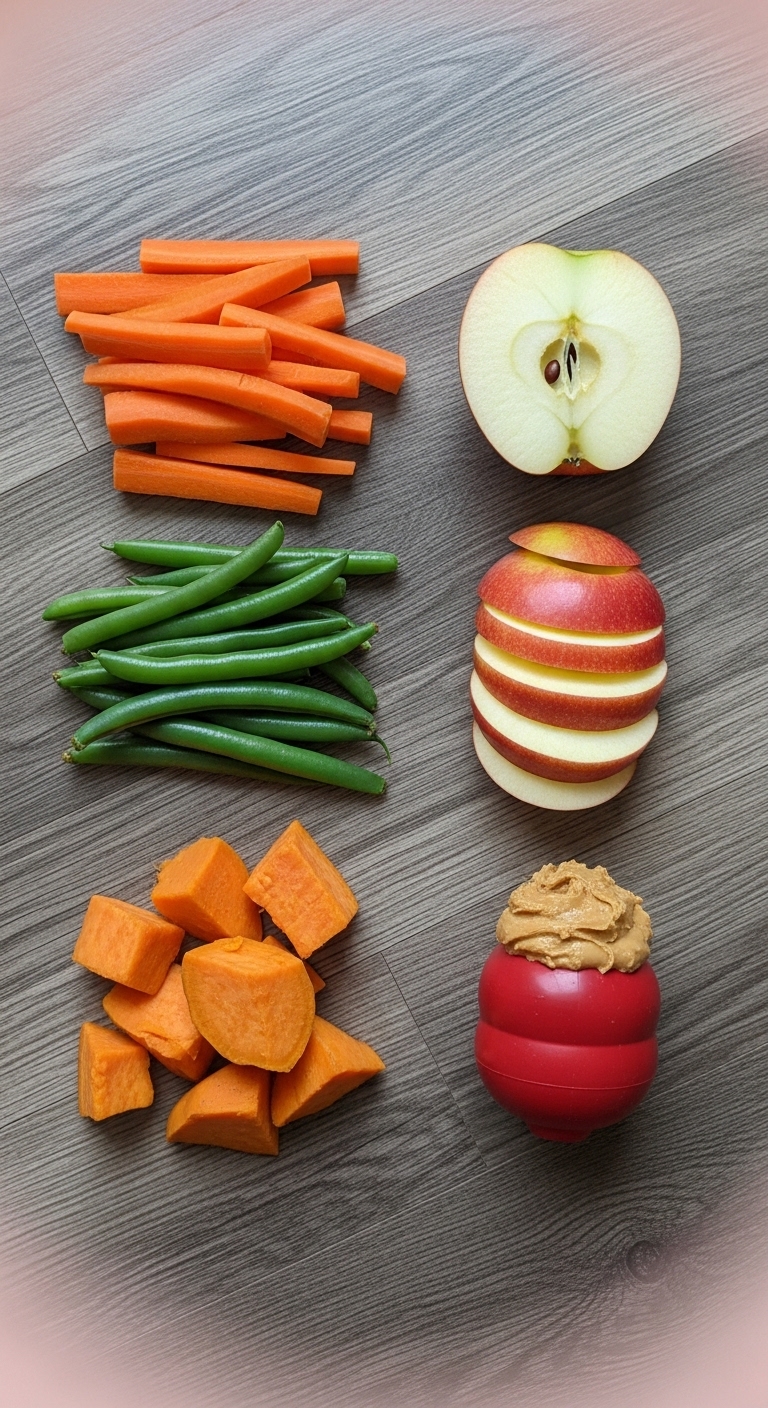
Another important factor is how the pasta is prepared. Boiled pasta is the safest way to serve it, as frying or adding oils can make it harder for your dog to digest. If you’re adding any toppings, keep them simple and dog-friendly. A small amount of plain cooked vegetables like carrots or green beans can be a good addition, but avoid anything with salt, butter, or spices.
I once had a client whose dog loved pasta so much that she started giving it daily. Within a week, the dog gained weight and developed digestive issues. It was a good reminder that even safe foods need to be given in moderation. Always observe your dog’s reaction after introducing new foods, and when in doubt, consult your vet.
Daily care habits
Incorporating pasta into your dog’s diet should be done gradually. Start with a small piece and monitor your dog for any signs of discomfort or allergic reactions. If your dog tolerates it well, you can occasionally offer a slightly larger portion, but keep it as a rare treat rather than a daily food. Pairing pasta with their regular meals can help balance the added carbs.
Choosing the right product
If you’re buying pasta specifically for your dog, look for options labeled as dog-friendly or made from simple, natural ingredients. Avoid pasta with added flavors, preservatives, or artificial colors. Organic pasta can be a good choice if you want to minimize the risk of pesticides or other chemicals. Always check the ingredient list to ensure it’s free from harmful additives.
Safety and comfort
Before giving your dog pasta, make sure it’s fully cooked and cooled to room temperature. Hot or undercooked pasta can cause burns or digestive issues. Also, avoid serving pasta with any sauces, especially those containing garlic, onions, or excessive salt, as these can be toxic to dogs. If you’re unsure about a particular sauce or ingredient, it’s best to skip it entirely.
Common mistakes to avoid
One of the biggest mistakes pet owners make is giving their dogs pasta with sauces or seasonings. Even a small amount of garlic or onion powder can be dangerous, leading to anemia or other health issues. Another mistake is overfeeding pasta, which can contribute to obesity or digestive problems. Always serve pasta in moderation and as part of a balanced diet.
Cleaning and hygiene
If your dog gets pasta sauce or bits of pasta on their fur, clean it up promptly to avoid matting or skin irritation. Use a damp cloth or pet-safe wipes to gently remove any residue. Regular grooming can help keep your dog’s coat clean and healthy, especially if they’re prone to getting food stuck in their fur.
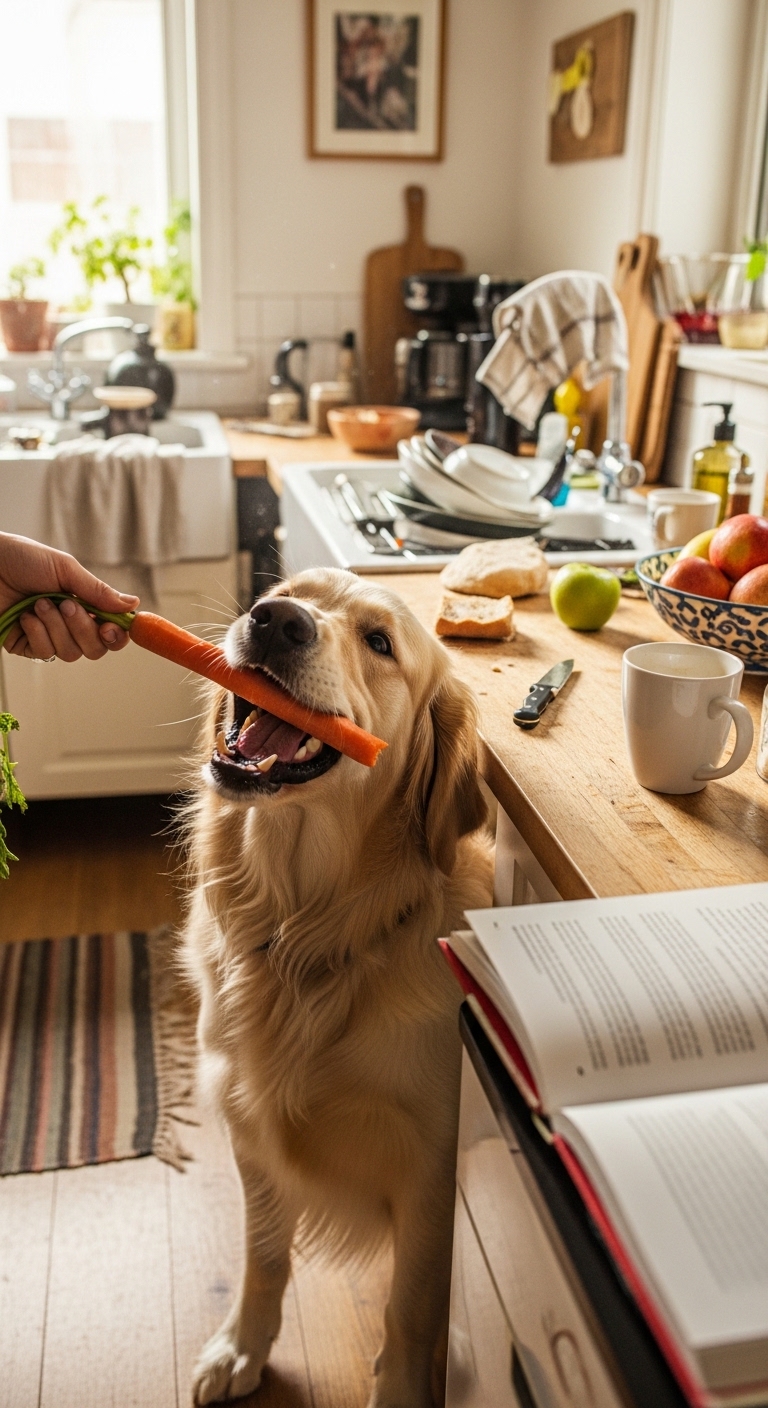
Always observe your dog’s reaction after introducing new foods, and when in doubt, consult your vet.
Frequently Asked Questions
- → Is pasta safe for all dogs?
Most dogs can eat plain pasta in moderation, but those with grain allergies or sensitivities should avoid it. Puppies, senior dogs, or dogs with health conditions may need to skip pasta entirely. Always introduce new foods slowly and watch for signs of discomfort.
- → How much pasta can I give my dog?
A small spoonful (about 1-2 tablespoons) of plain, cooked pasta is enough for most dogs as an occasional treat. Larger breeds can handle slightly more, but portion control is key to prevent weight gain or digestive issues.
- → Can dogs eat pasta with sauce?
No, pasta with sauce is not recommended for dogs. Many sauces contain ingredients like garlic, onions, or excessive salt, which are toxic to dogs. Plain pasta is the safest choice—avoid any seasonings, oils, or dairy-based sauces.
- → What type of pasta is best for dogs?
Whole wheat or grain-free pasta is the best option for dogs, as it’s easier to digest and less likely to cause allergies. Avoid flavored or colored pasta, as these often contain additives that may upset your dog’s stomach.
- → What should I do if my dog eats too much pasta?
If your dog overeats pasta, monitor for symptoms like vomiting, diarrhea, or lethargy. Offer plenty of water and stick to bland foods for a day or two. Contact your vet if symptoms persist or worsen, especially in small or senior dogs.
- → Can pasta replace a meal for my dog?
No, pasta should never replace a balanced dog meal. It lacks essential nutrients like protein, vitamins, and minerals that dogs need. Use it only as an occasional treat or supplement to their regular diet.