Can dogs eat mandarins? Many pet owners wonder about sharing this sweet, juicy fruit with their furry friends. While mandarins aren’t toxic to dogs, they come with some important considerations that could affect your pup’s health. A small piece now and then might seem harmless, but the wrong approach could lead to digestive upset or even more serious issues. Understanding how to safely introduce mandarins or whether to avoid them altogether can help you make the best choice for your dog’s diet.
I remember giving my neighbor’s golden retriever a single mandarin segment as a treat. Within hours, the dog started vomiting and had diarrhea for the next two days. It turned out the dog was sensitive to citrus, and that small piece was enough to trigger a reaction. Always introduce new foods slowly and watch for any signs of trouble.
Key Things to Understand
- Mandarins are not toxic to dogs but should only be given in very small amounts: The peel and seeds contain oils and compounds that can cause stomach upset or even blockages
- The fruit’s natural sugars can lead to weight gain or blood sugar spikes: If fed too often
- Some dogs may have citrus allergies: Which can cause itching, swelling, or digestive issues
- Always remove all seeds and peel: Before offering mandarins to your dog
- Start with a tiny piece: To see how your dog reacts before giving more
What to Look For
Watch for signs that your dog enjoys the taste without any negative reactions. A healthy dog might sniff the fruit curiously or take a small lick, but if they back away or seem uninterested, don’t force it. Pay attention to their energy levels and bathroom habits after eating mandarins: any changes like lethargy, vomiting, or loose stools could mean they’re sensitive. Also, check for allergic reactions like excessive scratching, redness around the mouth, or swelling, which can appear within minutes to hours after eating. If your dog has diabetes or is overweight, be extra cautious with sugary fruits like mandarins, as they can contribute to blood sugar spikes or weight gain over time.
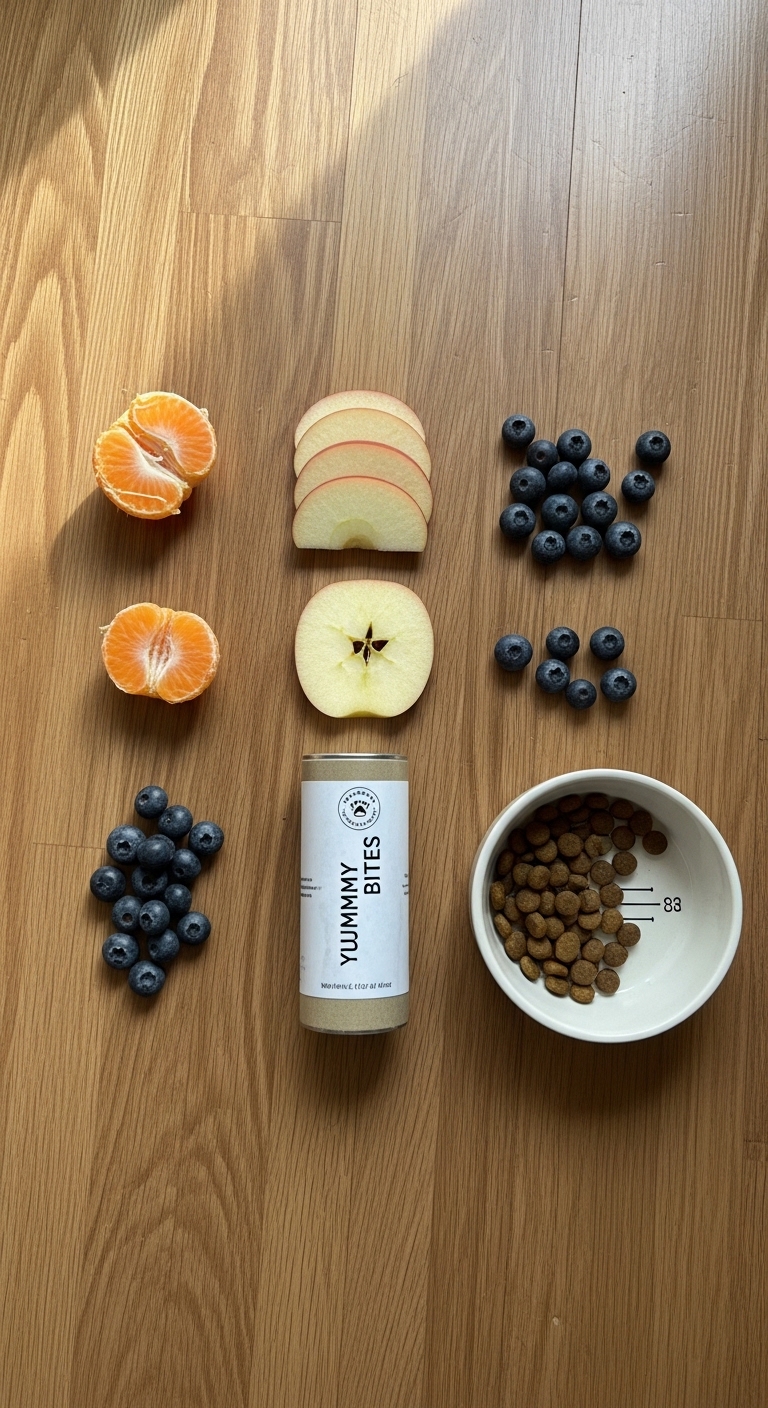
Many pet owners assume that because fruits are healthy for humans, they must be fine for dogs too. But dogs process foods very differently, and what’s safe for us isn’t always safe for them. A common mistake is giving mandarins as a daily treat, thinking it’s a healthy alternative to processed snacks. In reality, too much fruit can disrupt their diet and lead to nutritional imbalances. Always consult your vet before introducing new foods, especially if your dog has health conditions.
Daily Care Habits
Incorporate mandarins as an occasional treat rather than a regular part of your dog’s diet. If you decide to share a piece, do it during a calm moment, not right after exercise or when your dog is overly excited. This helps prevent choking hazards and makes it easier to monitor their reaction. Keep mandarins out of reach when not in use, as some dogs might try to grab the whole fruit off the counter, leading to a mess or even a dangerous situation if seeds or peels are ingested.
Choosing the Right Product
If you’re buying mandarins specifically for your dog, opt for organic varieties whenever possible. Non-organic mandarins may contain pesticide residues on the peel, which can be harmful if ingested. Wash the fruit thoroughly even if you plan to peel it, just to be safe. Avoid mandarins that look overripe or moldy, as these can cause stomach issues. Also, skip any mandarins treated with preservatives or waxes, which are sometimes used in commercial fruit displays.
Safety and Comfort
Always supervise your dog when introducing mandarins for the first time. Watch for signs of discomfort like pacing, whining, or excessive drooling, which could indicate they’re not enjoying the taste or are having a mild reaction. If your dog has a sensitive stomach, consider offering a small piece of mandarin with their regular meal to help dilute any potential irritants. Keep fresh water nearby in case they need to drink more than usual after eating the fruit.

Always prioritize your dog’s well-being when introducing new foods. A little caution goes a long way in keeping them happy and healthy.
Frequently Asked Questions
- → Are mandarins toxic to dogs?
No, mandarins are not toxic to dogs, but they should be given in moderation. The flesh is safe, but seeds and peels can pose choking hazards or cause blockages.
- → How many mandarins can I give my dog?
Start with a small segment (1-2 pieces) for small dogs and up to a quarter of a mandarin for larger breeds. Always observe your dog for any adverse reactions.
- → Can puppies eat mandarins?
Puppies can try mandarins in tiny amounts, but their digestive systems are sensitive. Consult your vet before introducing new foods to puppies.
- → What are the benefits of mandarins for dogs?
Mandarins provide vitamin C for immune support, fiber for digestion, and hydration. They can be a low-calorie treat when given in moderation.
- → What should I do if my dog eats too many mandarins?
Monitor for symptoms like vomiting, diarrhea, or lethargy. Contact your vet if symptoms persist or if your dog consumes a large quantity.
- → Can diabetic dogs eat mandarins?
Diabetic dogs should avoid mandarins due to their natural sugar content. Always consult your vet before offering fruits to diabetic pets.