 Pin
Pin
Understanding whether dogs can take aspirin is crucial for pet owners who want to ensure their furry friends receive the best care possible. As dogs sometimes experience pain or inflammation, knowing safe and effective methods to alleviate discomfort can significantly impact their quality of life. This knowledge empowers pet owners to make informed decisions about their dog's health and well-being.
Navigating pet health can be overwhelming, but having reliable information about medication can ease a lot of the stress. It's always better to be informed to help our pets feel their best.
Key Things to Understand
- Aspirin can be safe for dogs but only under veterinary guidance: Always consult with a veterinarian before giving aspirin to your dog.
- Dosage is critical and must be tailored to your pet's size and condition: Aspirin should never be used long-term without veterinary approval.
- Some dogs may have adverse reactions to aspirin, particularly those with pre-existing health issues: Watch for side effects such as vomiting, diarrhea, or lethargy.
- There are safer alternatives for pain relief available specifically for dogs: Always check with a vet before administering any medication.
What to Look For
When considering aspirin for your dog, observe their behavior and any signs of discomfort. Check if your dog has any underlying health conditions that could complicate aspirin use. Look for any changes in eating habits, energy levels, or signs of gastrointestinal distress which may indicate a reaction to the medication. It is also important to compare the effectiveness of aspirin with other pain relief options that might be available through your veterinarian.
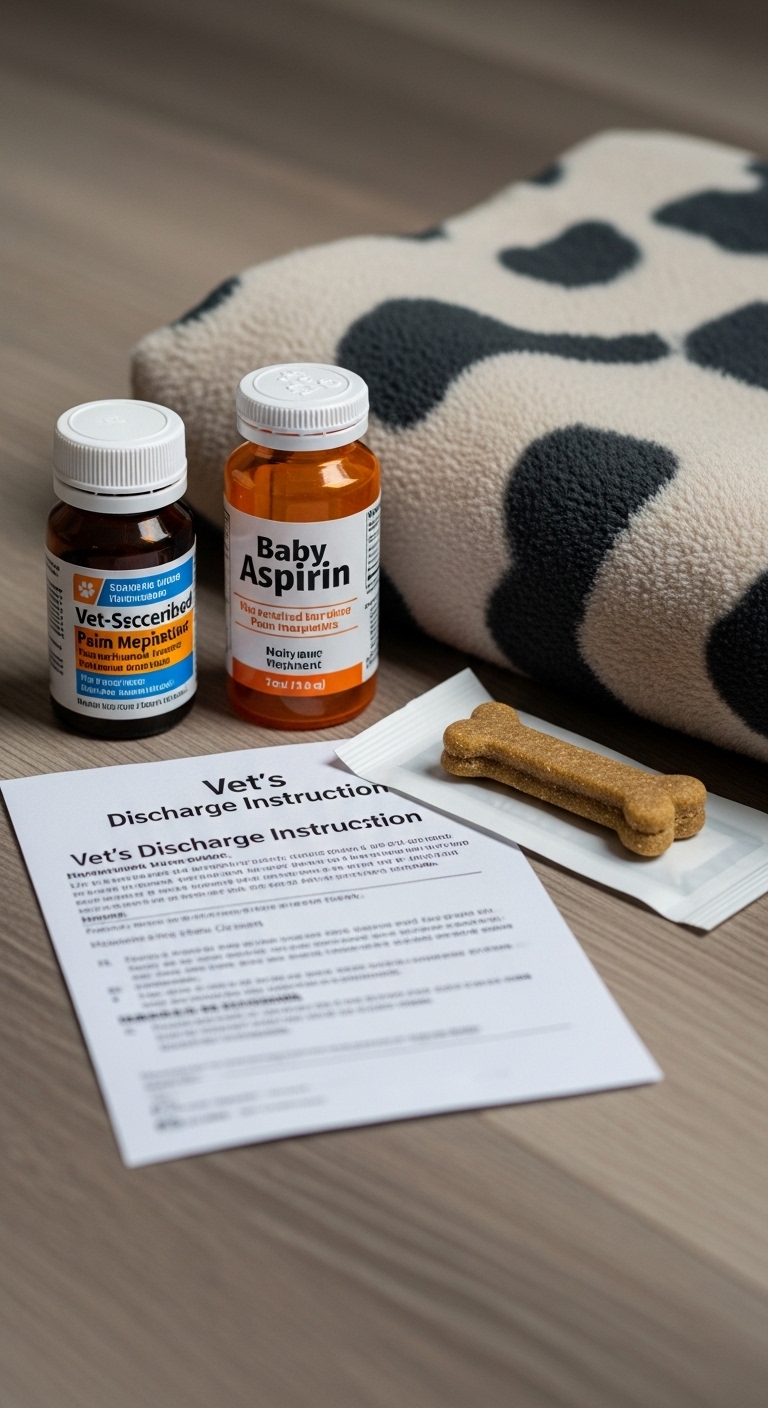
It's essential to communicate openly with your veterinarian about your dog's health. Many pet owners mistakenly self-medicate without professional guidance, which can lead to unintended consequences. Regular check-ins with your vet can help you avoid these pitfalls.
Daily Care Habits
Daily routines play a significant role in your dog's overall health. Make sure to monitor their behavior and physical condition regularly. This includes observing their appetite, energy levels, and any changes in their mobility.
Choosing the Right Product
When looking for pain relief, it's vital to choose products designed specifically for dogs. Human medications can be harmful or even fatal. Your veterinarian can recommend safe alternatives tailored to your dog's needs.
Safety and Comfort
Ensure your dog is comfortable and safe at home. This includes providing a cozy resting area and being mindful of their activity levels, especially if they are recovering from an injury or surgery.
Common Mistakes to Avoid
One common mistake pet owners make is assuming that human medications are safe for dogs. Always check with a vet before administering any medication and be aware of the signs of potential drug interactions.

Always prioritize your pet's health and safety when considering any medication options.
Frequently Asked Questions
- → Can I give my dog aspirin for pain relief?
While aspirin may provide temporary relief, it should only be given under veterinary supervision. Human medications can be toxic to dogs, so always consult your vet before administering any pain reliever.
- → What is the safe dosage of aspirin for dogs?
Dosage depends on your dog’s weight and health condition. A typical safe range is 5-10 mg per pound every 12 hours, but this should only be determined by a veterinarian to avoid overdose.
- → What are the risks of giving aspirin to dogs?
Risks include stomach ulcers, kidney damage, bleeding disorders, and toxicity. Signs of overdose may include vomiting, diarrhea, lethargy, or loss of appetite—seek immediate veterinary care if these occur.
- → Are there safer alternatives to aspirin for dogs?
Veterinarians often recommend prescription pain relievers like carprofen or meloxicam, which are formulated specifically for dogs. Natural options like omega-3 supplements or joint-supporting diets may also help manage mild discomfort.
- → How can I tell if my dog is in pain?
Signs of pain in dogs include limping, whining, changes in appetite, restlessness, or reluctance to move. If you suspect your dog is in pain, consult your vet before giving any medication.
- → Can puppies take aspirin?
No, aspirin is not safe for puppies or dogs with certain health conditions. Puppies have developing organ systems, making them more susceptible to medication toxicity. Always use vet-approved treatments for young dogs.