 Pin
Pin
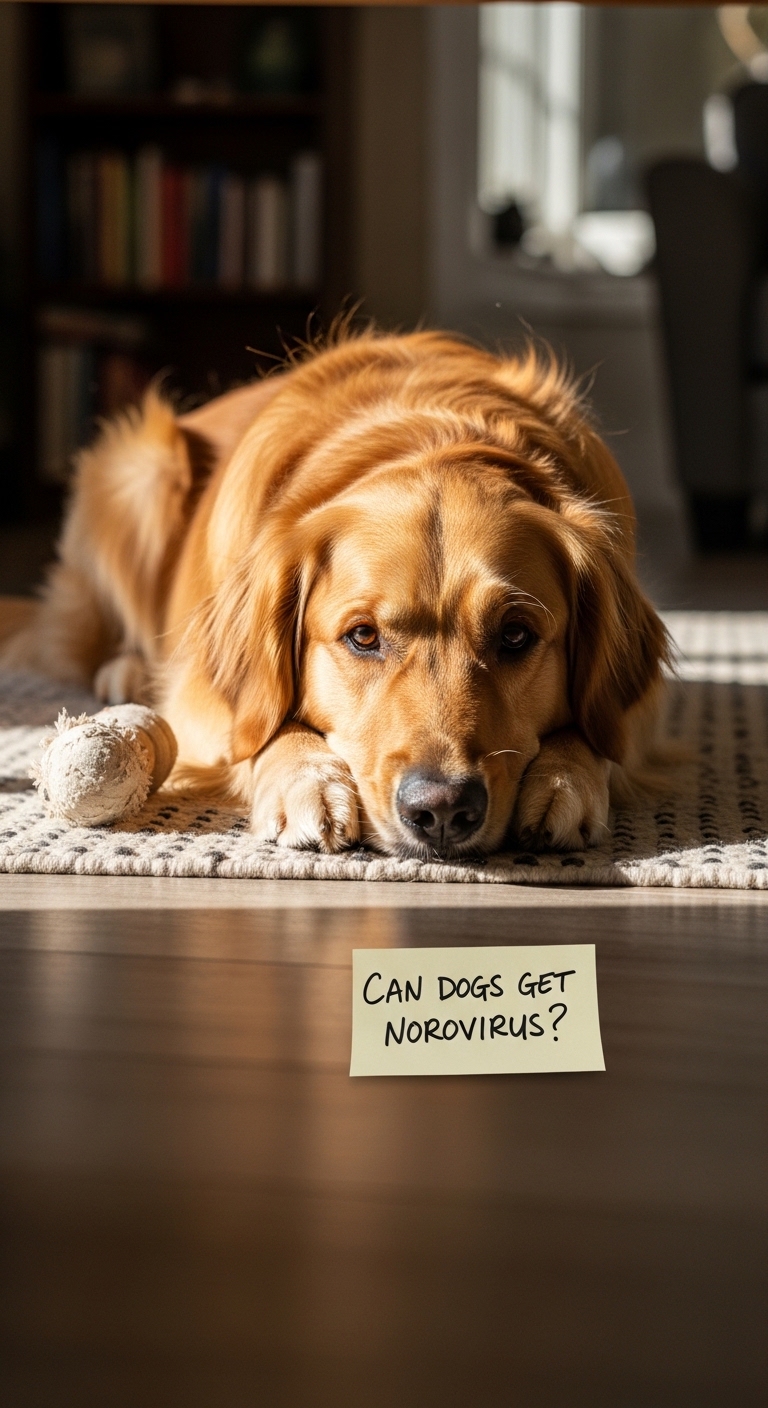
Understanding whether dogs can get norovirus is crucial for pet owners, especially given the rising concern about the health and safety of our furry companions. This viral infection, primarily known for affecting humans, raises questions about its impact on dogs and how to keep them safe. Awareness of this topic helps in taking preventive measures and ensuring the well-being of pets during outbreaks.
Keeping an eye on your dog's health can make a significant difference in their quality of life and your peace of mind. A little knowledge goes a long way in preventing potential health issues.
Key Things to Understand
- Norovirus primarily affects humans but can pose risks to dogs due to close contact with infected individuals: Dogs can contract the virus through contaminated surfaces or by being in close proximity to infected humans.
- Symptoms in dogs can mimic other gastrointestinal issues making diagnosis challenging: It's crucial to differentiate between norovirus symptoms and other common dog ailments.
- Preventive measures include good hygiene practices and monitoring your dog's health closely: Regular cleaning and observing your dog for any signs of illness can help prevent outbreaks.
- Consulting a veterinarian is crucial if you suspect your dog has been exposed or is showing symptoms: Professional advice can lead to timely intervention and treatment.
Frequently Asked Questions
- → Can dogs actually get norovirus?
Yes, dogs can contract a strain of norovirus similar to the human version. While rare, outbreaks have been reported in kennels and shelters. Symptoms typically include vomiting and diarrhea.
- → What are the signs my dog has norovirus?
Watch for sudden vomiting, watery diarrhea, lethargy, loss of appetite, and fever. These symptoms may appear within 12-48 hours of exposure. Dehydration is a serious risk, so seek vet care if symptoms persist.
- → How is norovirus transmitted to dogs?
The virus spreads through contaminated food, water, or surfaces. Dogs can pick it up from infected feces, shared bowls, or human contact. Crowded or unsanitary environments increase transmission risk.
- → Is norovirus in dogs dangerous?
Most healthy dogs recover within a few days with supportive care. However, puppies, elderly dogs, or those with health issues may develop severe dehydration. Always monitor symptoms closely.
- → How can I protect my dog from norovirus?
Practice good hygiene: wash hands before and after handling food, disinfect bowls regularly, and avoid contact with sick dogs. Ensure your dog drinks clean water and eats properly stored food.
- → Can humans catch norovirus from dogs?
While the strains differ, there’s a low risk of cross-species transmission. Wash hands thoroughly after handling a sick dog to minimize any potential spread.