 Pin
Pin
Black pepper is a common kitchen spice that often finds its way into our meals, but when it comes to sharing food with dogs, many owners wonder if it’s safe. Understanding whether dogs can have black pepper helps prevent accidental poisoning and ensures your pet stays healthy.
Small amounts of black pepper aren’t toxic, but too much can upset your dog’s stomach. It’s one of those things that seems harmless until you see the aftermath.
Key Things to Understand
- Black pepper is not toxic to dogs in tiny quantities: but can cause digestive upset if consumed in larger amounts
- The spice can irritate a dog’s nose and respiratory system: if inhaled in powder form
- Some dogs may be more sensitive to spices than others: so reactions can vary
- Black pepper offers no nutritional benefit to dogs: so there’s no reason to add it to their diet
What to Look For
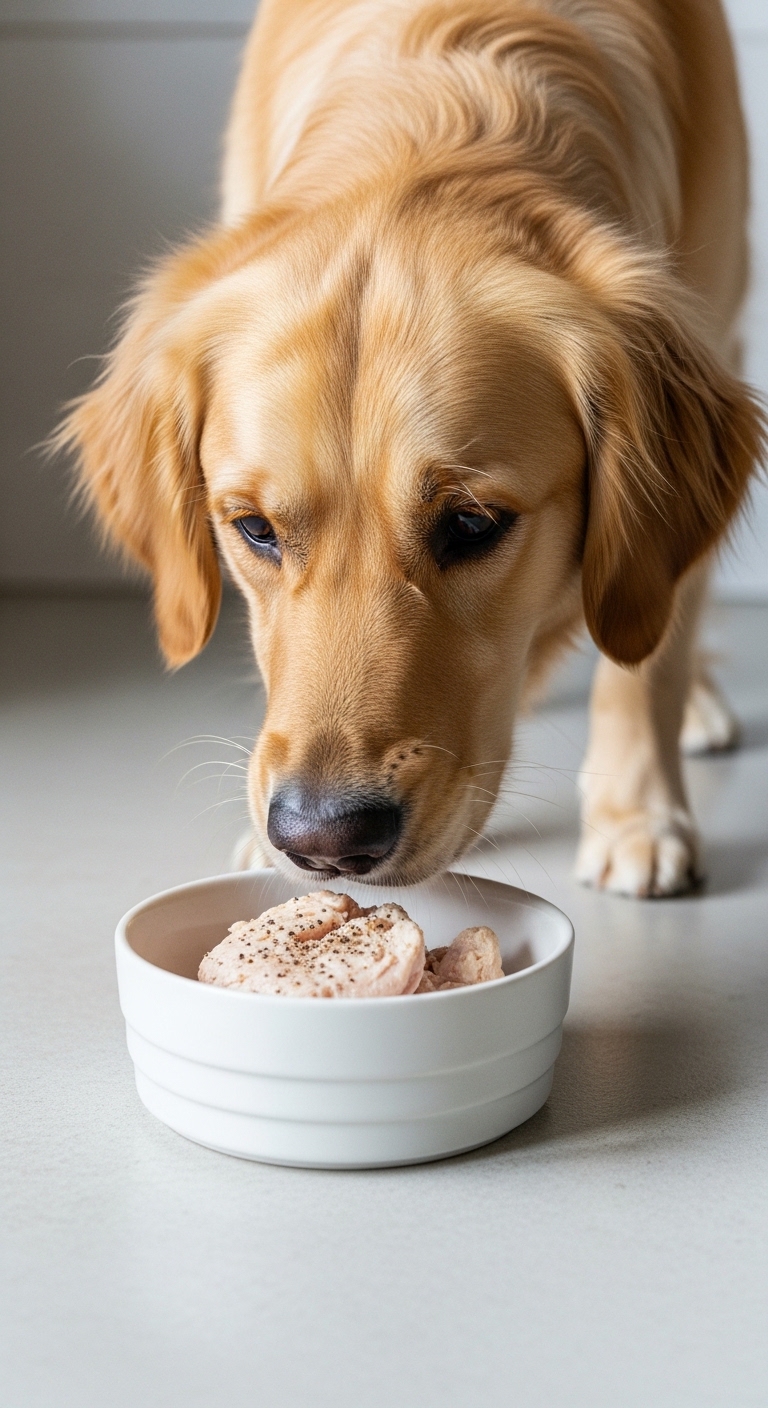
Watch for signs of discomfort after your dog eats something seasoned with black pepper. Vomiting, diarrhea, or excessive licking of the lips can indicate an upset stomach. If your dog sneezes or paws at their face after smelling black pepper, it may be a sign of irritation. Pay attention to how your dog behaves around food with visible spices, as some dogs may try to eat it out of curiosity. Always check ingredient lists on human foods before sharing, as many dishes contain black pepper without it being obvious.

Dogs have a much stronger sense of smell than humans, so what seems like a mild spice to us can be overwhelming for them. Many pet owners don’t realize how sensitive their dog’s digestive system is to spices, which is why it’s best to keep black pepper out of their reach.
Safe Alternatives to Black Pepper
If you want to add flavor to your dog’s food, consider dog-safe herbs like parsley or basil instead. These can provide a mild taste without the risks. Always introduce new foods in small amounts to check for any adverse reactions.
Signs Your Dog Ate Something Spicy
If your dog has gotten into something with black pepper, look for excessive drooling, pawing at the mouth, or restlessness. These are signs they may be experiencing discomfort. Offer fresh water and monitor their behavior closely.
When to Contact a Vet
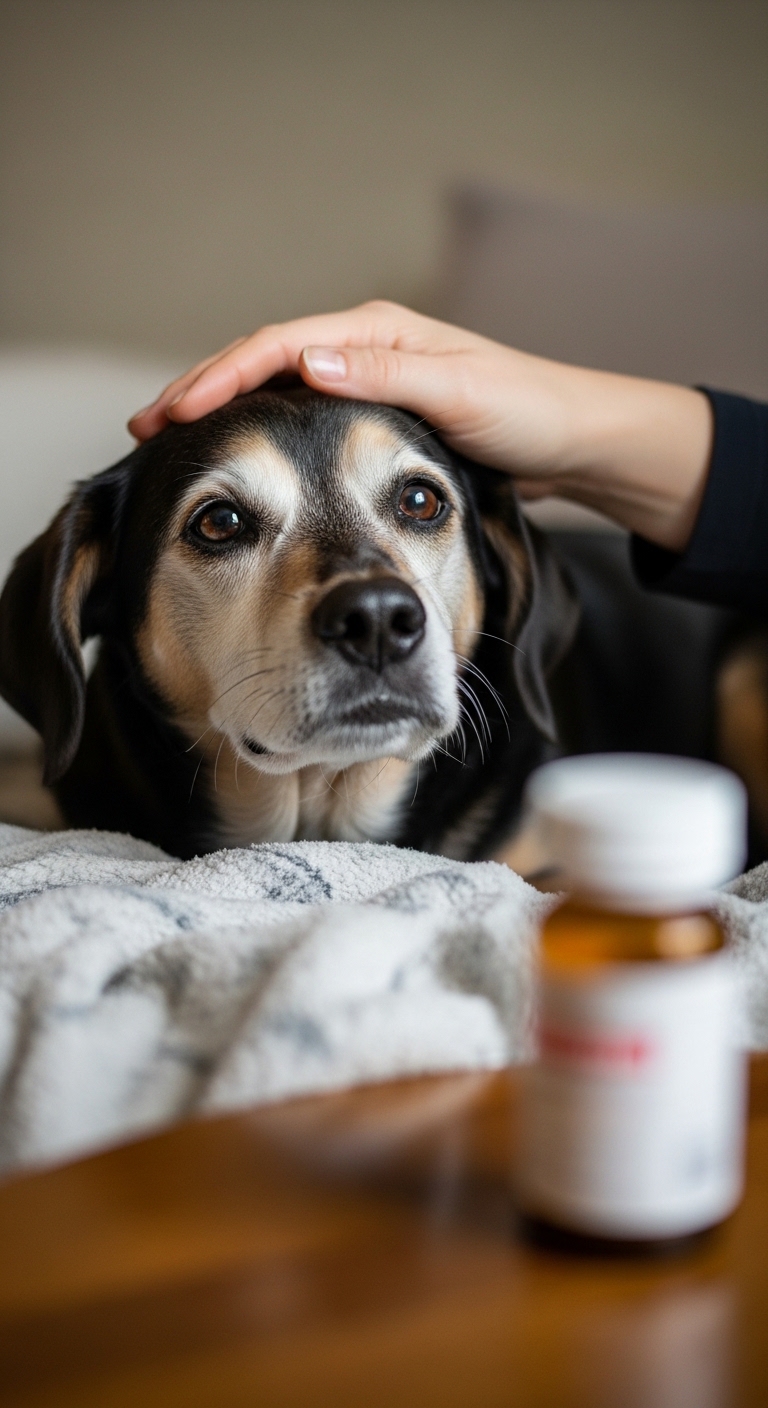
If your dog shows severe symptoms like persistent vomiting, lethargy, or loss of appetite after consuming black pepper, contact your vet immediately. While small amounts are usually not life-threatening, it’s better to be safe than sorry.
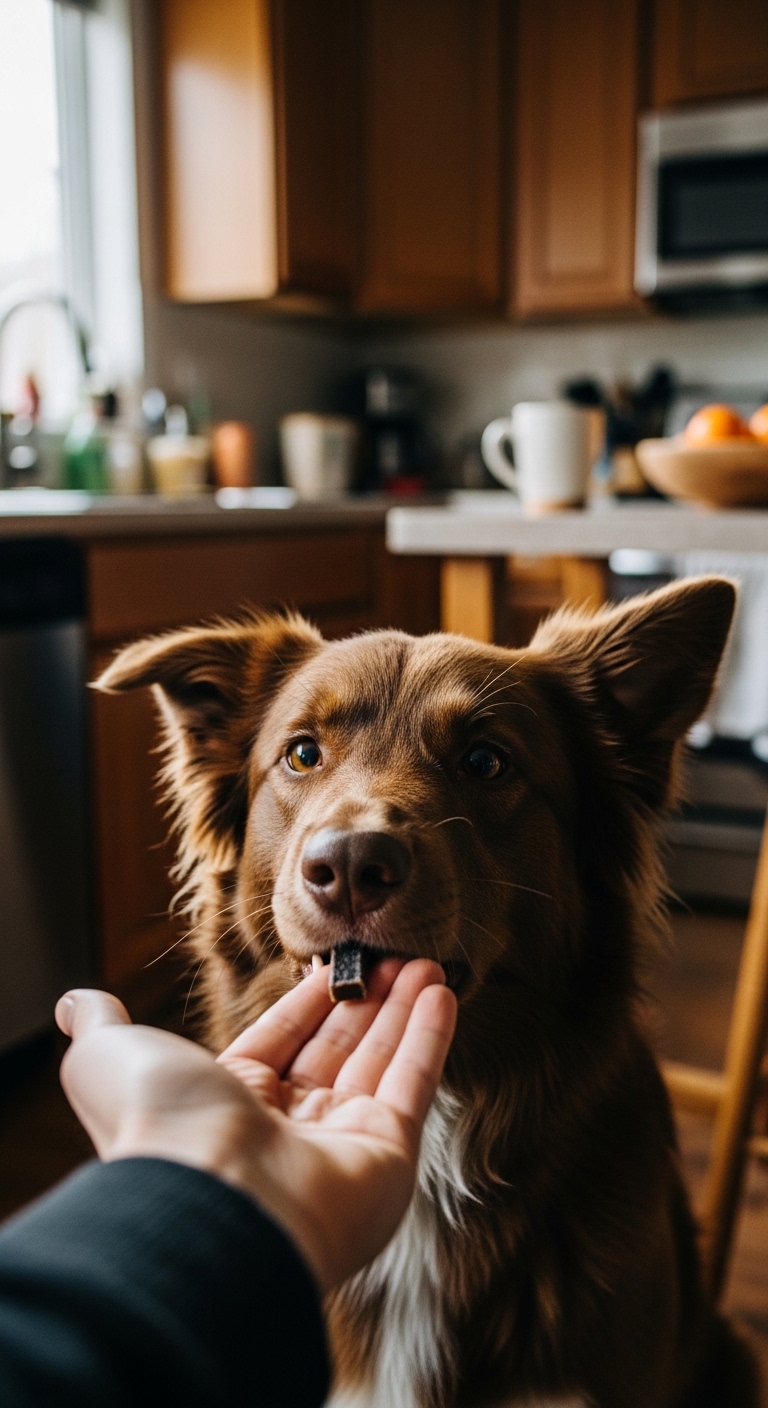
Preventing accidental ingestion is key. Keep spices stored securely and train your dog to stay out of the kitchen.
Frequently Asked Questions
- → Is black pepper toxic to dogs?
Black pepper is not toxic to dogs in small quantities, but large amounts can irritate their stomach or cause digestive issues.
- → Can dogs eat food with black pepper?
Dogs can eat food with trace amounts of black pepper, but avoid seasoning their meals heavily with it.
- → What happens if a dog eats black pepper?
If a dog eats a small amount, they may experience mild stomach upset. Large amounts could lead to vomiting or diarrhea.
- → Are there benefits to black pepper for dogs?
Black pepper has minimal nutritional benefits for dogs and is mostly used for flavor in human food.
- → How much black pepper is safe for dogs?
A tiny pinch occasionally is unlikely to harm most dogs, but always consult your vet for specific advice.
- → Can black pepper help with fleas on dogs?
While some claim black pepper repels fleas, there’s no scientific evidence supporting its effectiveness as a flea treatment.