 Pin
Pin
Honeydew melon is a refreshing summer treat for humans, but pet owners often wonder if it’s safe to share with their dogs. The good news is that honeydew can be a healthy, hydrating snack for dogs when given in moderation. It’s packed with vitamins and minerals that support their overall well-being, making it a great low-calorie option for rewarding good behavior or adding variety to their diet.
Like many pet owners, I’ve found that my dog goes crazy for the sweet taste of honeydew, but it’s important to remember that even healthy treats should only make up a small part of their diet.
Key Things to Understand
- Remove all seeds and rind before serving: they can cause choking or digestive blockages
- Start with small amounts: check for any allergic reactions or stomach sensitivity
- Honeydew is high in natural sugars: it should be given sparingly to avoid weight gain
- The flesh is the only safe part: for dogs to eat
- Overfeeding can lead to diarrhea: or upset stomach due to the fiber content
What to Look For
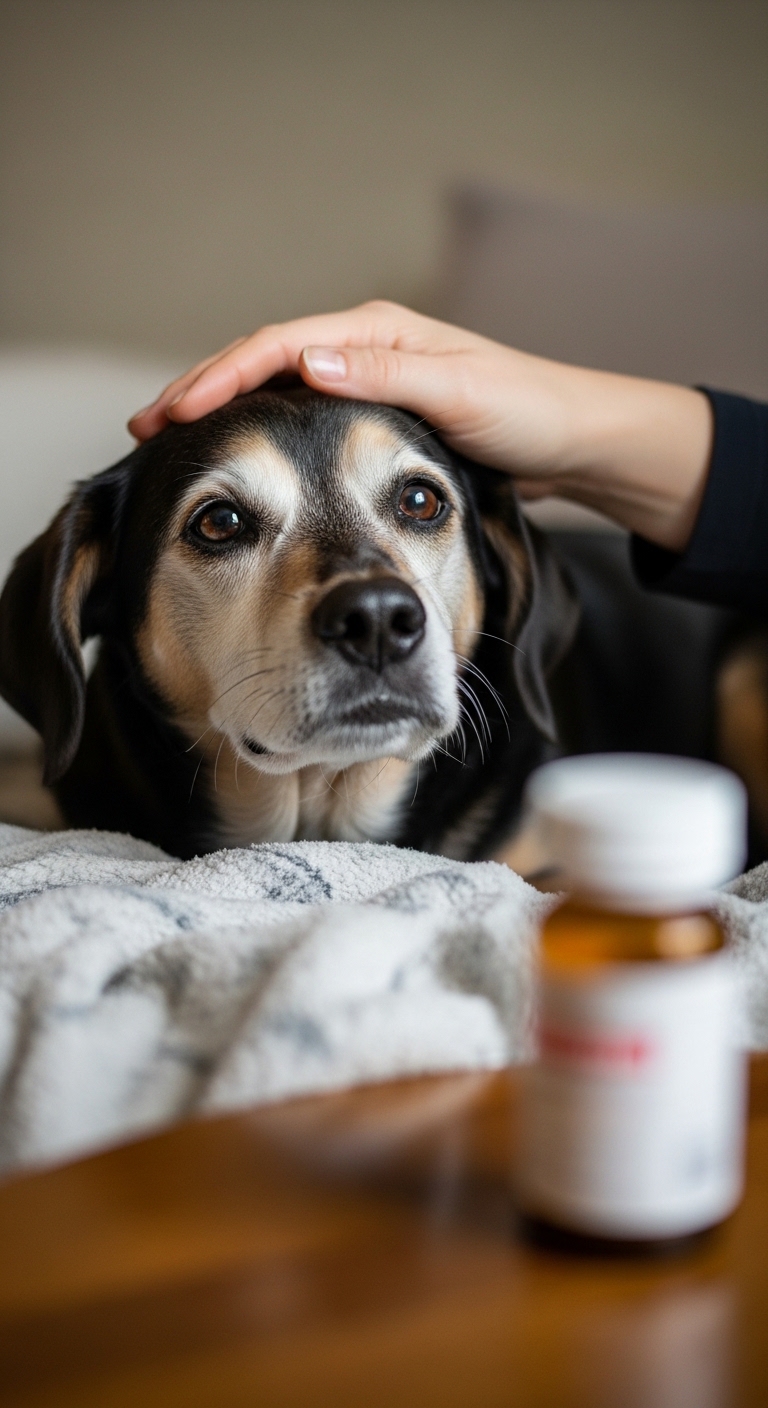
When offering honeydew to your dog, pay attention to how they react after the first few bites. Watch for signs of digestive discomfort like vomiting, diarrhea, or excessive gas, which could indicate that honeydew doesn’t agree with them. The fruit should be ripe but firm, with no mold or soft spots that could harbor bacteria. Always wash the melon thoroughly before cutting to remove any pesticides or dirt from the surface. If your dog has diabetes or weight issues, consult your vet before adding honeydew to their diet, as the natural sugars may need to be monitored.
One common mistake is assuming that because a fruit is safe for humans, it’s automatically safe for dogs in any quantity. Even with healthy options like honeydew, moderation is key. I’ve seen dogs develop loose stools from eating too much at once, so it’s best to stick to small portions.
Serving Suggestions for Honeydew
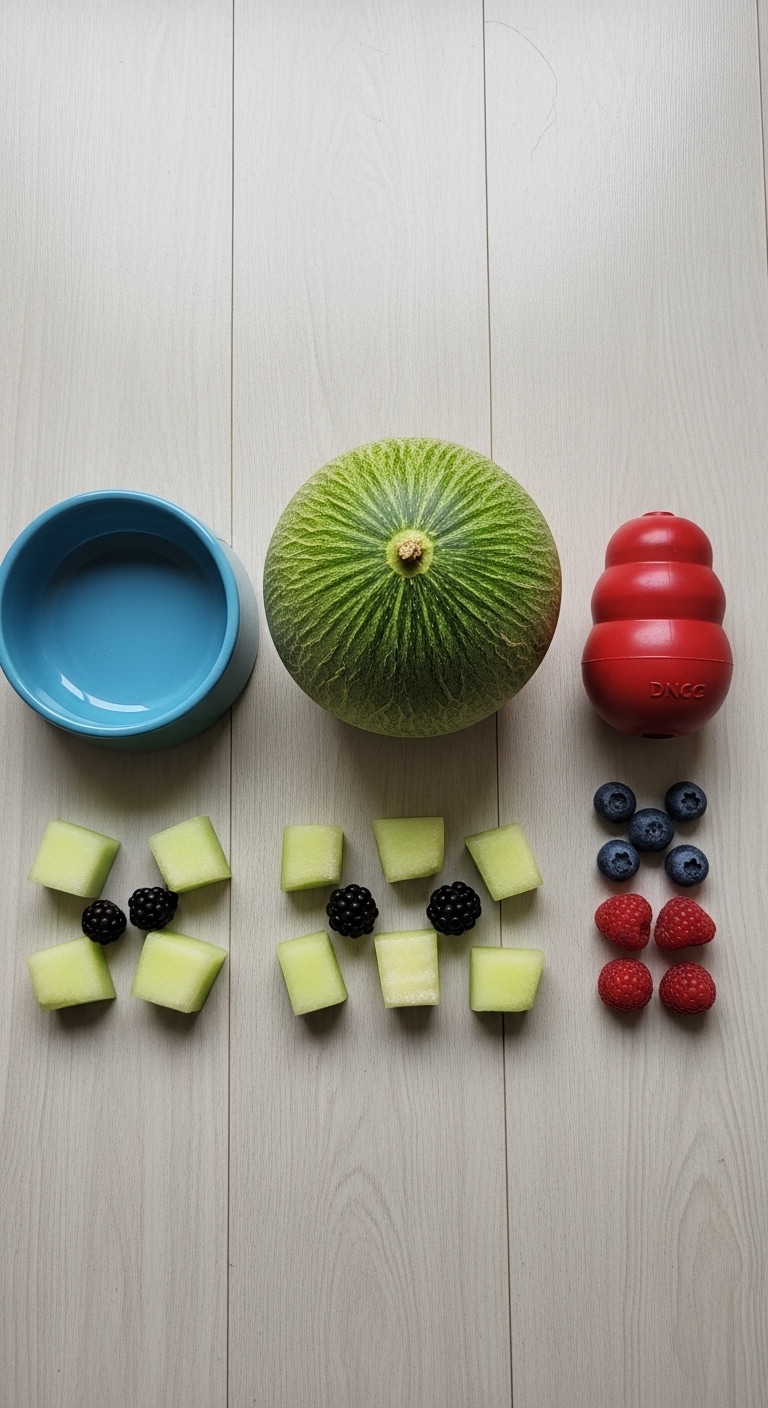
Cut the honeydew into bite-sized pieces that are easy for your dog to chew and swallow. For small dogs, tiny cubes are ideal, while larger breeds can handle slightly bigger chunks. You can serve it fresh or frozen for a cool summer snack that also helps with teething discomfort in puppies. Avoid adding any seasonings, sugar, or other ingredients that could be harmful.
Signs Your Dog Enjoys Honeydew
If your dog eagerly eats the honeydew and licks their lips afterward, it’s a good sign they enjoy it. Some dogs may even beg for more, which is a clear indicator of their preference. However, if they walk away or show disinterest, don’t force it—every dog has different tastes.
When to Avoid Honeydew
Skip honeydew if your dog has a sensitive stomach or a history of food allergies. Also, avoid giving it to dogs with kidney issues, as the potassium content could be problematic. If you’re unsure, a quick call to your vet can provide peace of mind.
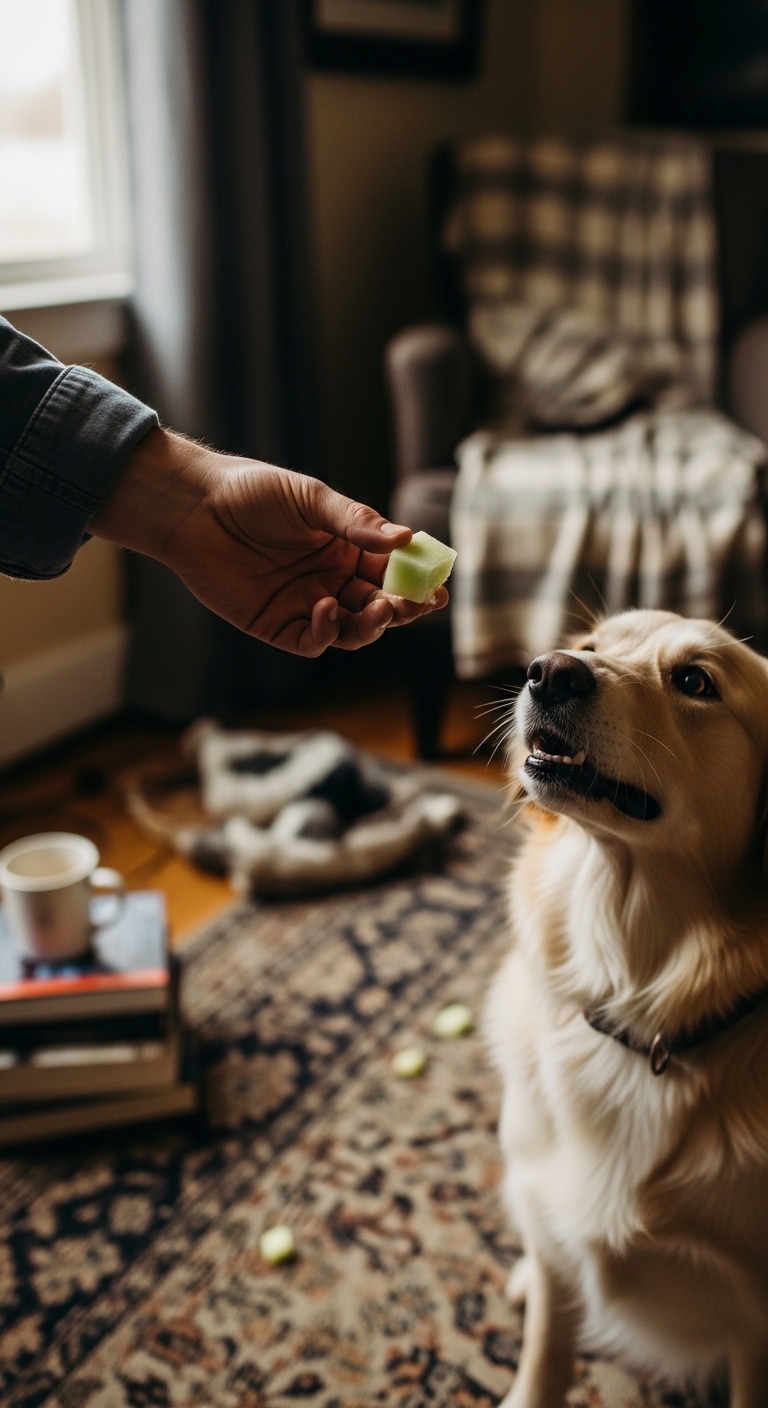
Honeydew can be a great treat for dogs when given properly.
Frequently Asked Questions
- → Is honeydew safe for dogs to eat?
Yes, honeydew is safe for dogs in small amounts. It’s low in calories and packed with vitamins, but always remove seeds and rind first.
- → How much honeydew can I give my dog?
Start with a few small cubes (about 1-2 tablespoons) to avoid digestive upset. Larger dogs can have slightly more, but moderation is key.
- → Can honeydew cause allergies in dogs?
While rare, some dogs may be allergic to honeydew. Watch for signs like itching, vomiting, or diarrhea after feeding.
- → Should I remove the seeds and rind from honeydew?
Yes, always remove seeds and rind. Seeds can pose a choking hazard, and the rind is tough to digest, potentially causing blockages.
- → Can diabetic dogs eat honeydew?
Honeydew contains natural sugars, so it’s best to avoid feeding it to diabetic dogs unless approved by your vet.
- → What are the benefits of honeydew for dogs?
Honeydew provides hydration, fiber, and vitamins like A and C, supporting your dog’s immune system and digestion when fed responsibly.