 Pin
Pin
Understanding whether dogs can have chocolate is crucial for any pet owner. This common food can pose serious health risks to our furry friends, and knowledge about it can save lives. With many pet owners unaware of the dangers, it becomes essential to educate ourselves about what foods are safe and which can be harmful to dogs. Knowing the facts can help us make informed choices that keep our pets healthy and happy.
Many pet owners might not realize how common it is for dogs to sneak a bite of chocolate. Being informed empowers us to create a safe environment for our pets.
Key Things to Understand
- Chocolate contains theobromine which is toxic to dogs: Dogs metabolize theobromine much slower than humans.
- Even small amounts can lead to serious health issues: Symptoms of chocolate poisoning include vomiting, diarrhea, and seizures.
- Different types of chocolate contain varying levels of theobromine: Dark chocolate is more dangerous than milk chocolate.
What to Look For
Be alert to signs of chocolate ingestion such as unusual behavior or digestive upset. Compare the type of chocolate with the size and breed of your dog to assess risk. Look for safe treats to replace chocolate and ensure your dog has a balanced diet. Regularly check your home for hidden chocolate or candy that could be accessible to your pet. Understand your dog's eating habits to anticipate potential issues and keep them safe.

Many pet owners mistakenly believe that a small piece of chocolate is harmless. However, even a small amount can lead to severe consequences, so it’s essential to be vigilant and proactive in preventing access to chocolate.
Daily Care Habits
Incorporate regular checks of your dog’s environment to ensure there are no chocolate treats accessible. Create a safe space for your dog free from potentially harmful foods. Establish a routine for training your dog to avoid certain foods, which can help in developing good habits.
Choosing the Right Product
When selecting dog treats, always opt for those specifically designed for canine consumption. Read labels carefully to avoid hidden ingredients that could be harmful. Consult your vet for recommendations on safe and healthy treats.
Safety and Comfort
Ensure your house is safe for your dog by securing all chocolate and other toxic foods. Familiarize yourself with what human foods are safe for dogs. Create a comfortable feeding routine that encourages your dog to eat healthy alternatives.
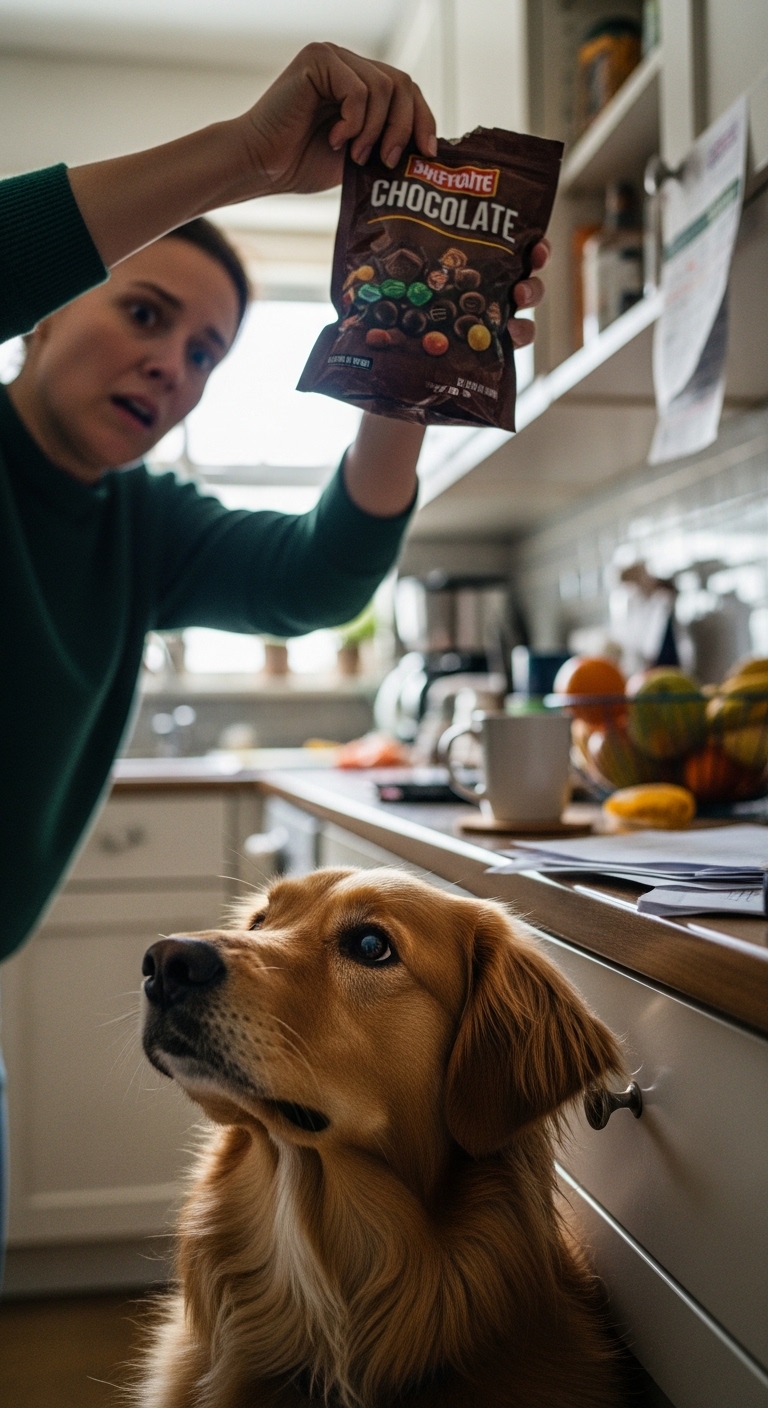
Being informed about the risks of chocolate can help keep your dog safe. Always prioritize their health and well-being.
Frequently Asked Questions
- → Why is chocolate bad for dogs?
Chocolate contains theobromine and caffeine, which dogs cannot process efficiently. These compounds can lead to poisoning, causing symptoms like vomiting, tremors, or even death in severe cases.
- → How much chocolate is toxic to dogs?
The toxicity depends on the type of chocolate and your dog's size. Dark chocolate and baking chocolate have higher theobromine levels, making them more dangerous than milk chocolate. A small dog can be at risk from even a small piece.
- → What are the symptoms of chocolate poisoning?
Common signs include vomiting, diarrhea, restlessness, rapid breathing, increased heart rate, and seizures. Symptoms may appear within 6-12 hours after ingestion.
- → What should I do if my dog eats chocolate?
Contact your vet or an emergency pet poison hotline immediately. Do not induce vomiting unless instructed by a professional. Bring the chocolate packaging to help determine the toxicity level.
- → Are there safe chocolate alternatives for dogs?
Yes, carob is a dog-safe alternative that mimics chocolate's taste. Look for dog treats made with carob or other pet-friendly ingredients instead of chocolate.
- → Can white chocolate harm dogs?
White chocolate contains minimal theobromine, so it's less toxic than other types. However, it's high in fat and sugar, which can cause digestive issues or pancreatitis in large amounts.