 Pin
Pin
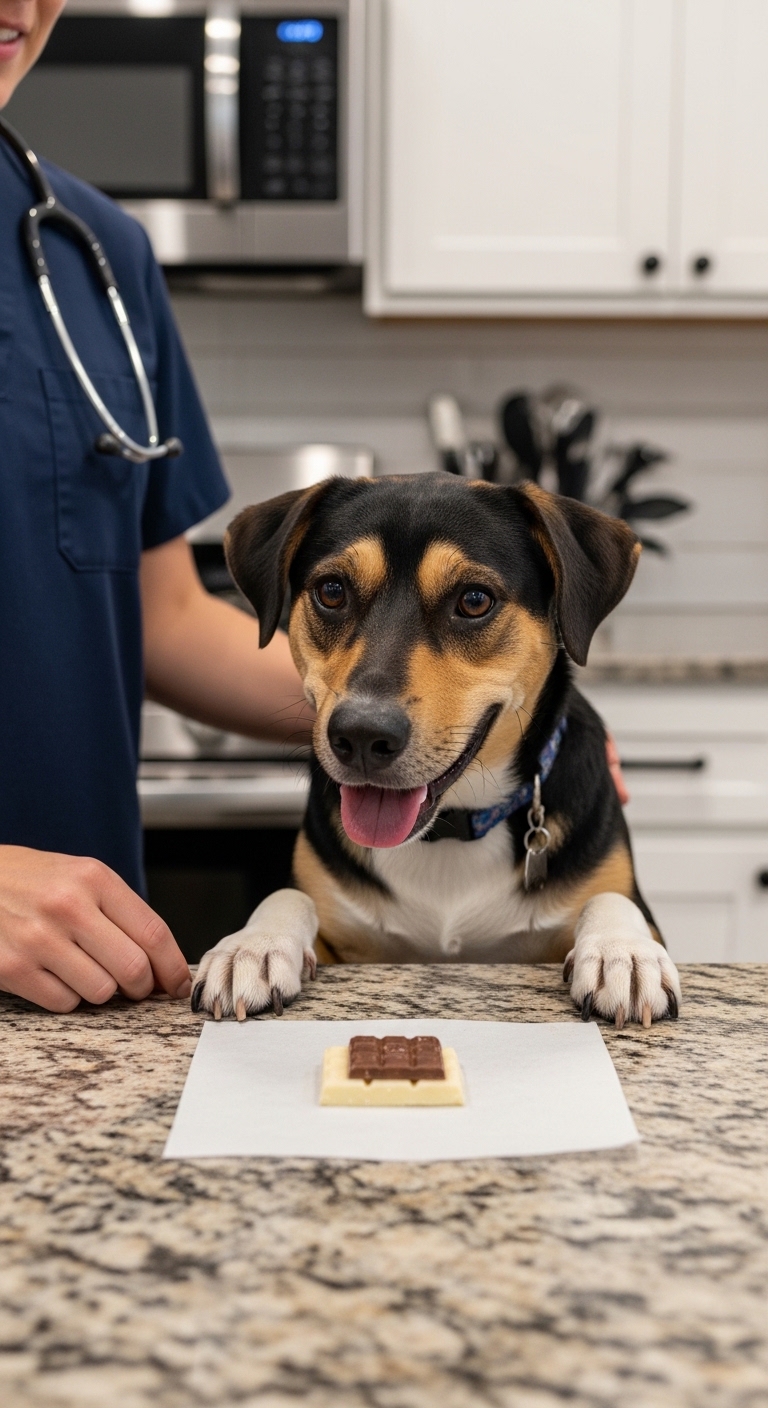
Understanding the use of aspirin for dogs is crucial for pet owners who want to provide the best care for their furry companions. Many people wonder if aspirin can be a safe option for managing pain or inflammation in their dogs. Knowing when and how to use it can not only improve your dog's comfort but also prevent potential health issues that could arise from improper use.
As a dog owner, I’ve often found myself questioning the safety of human medications for my pets. Understanding the role of aspirin in dog care has made me more confident in managing my dog’s health responsibly.
Key Things to Understand
- Aspirin can be used for dogs but only under veterinary guidance as it can cause side effects
- Dosage is critical as too much aspirin can lead to toxicity and serious health problems
- There are specific formulations of aspirin made for dogs that are safer than regular human aspirin
- Some dogs may have allergies or pre-existing conditions that make aspirin use unsafe
- Always consult a veterinarian before giving any medication to your dog
What to Look For
When considering aspirin for your dog, it is important to observe their overall behavior and health. Look for signs of pain such as limping, whining, or reluctance to move. Compare the symptoms your dog is exhibiting with common conditions that might be treated with aspirin. Check the quality of the aspirin you plan to use, ensuring it is intended for canine use, and always verify the dosage with your veterinarian. Monitor your dog closely for any adverse reactions once they start any medication, as this can be crucial for their safety.
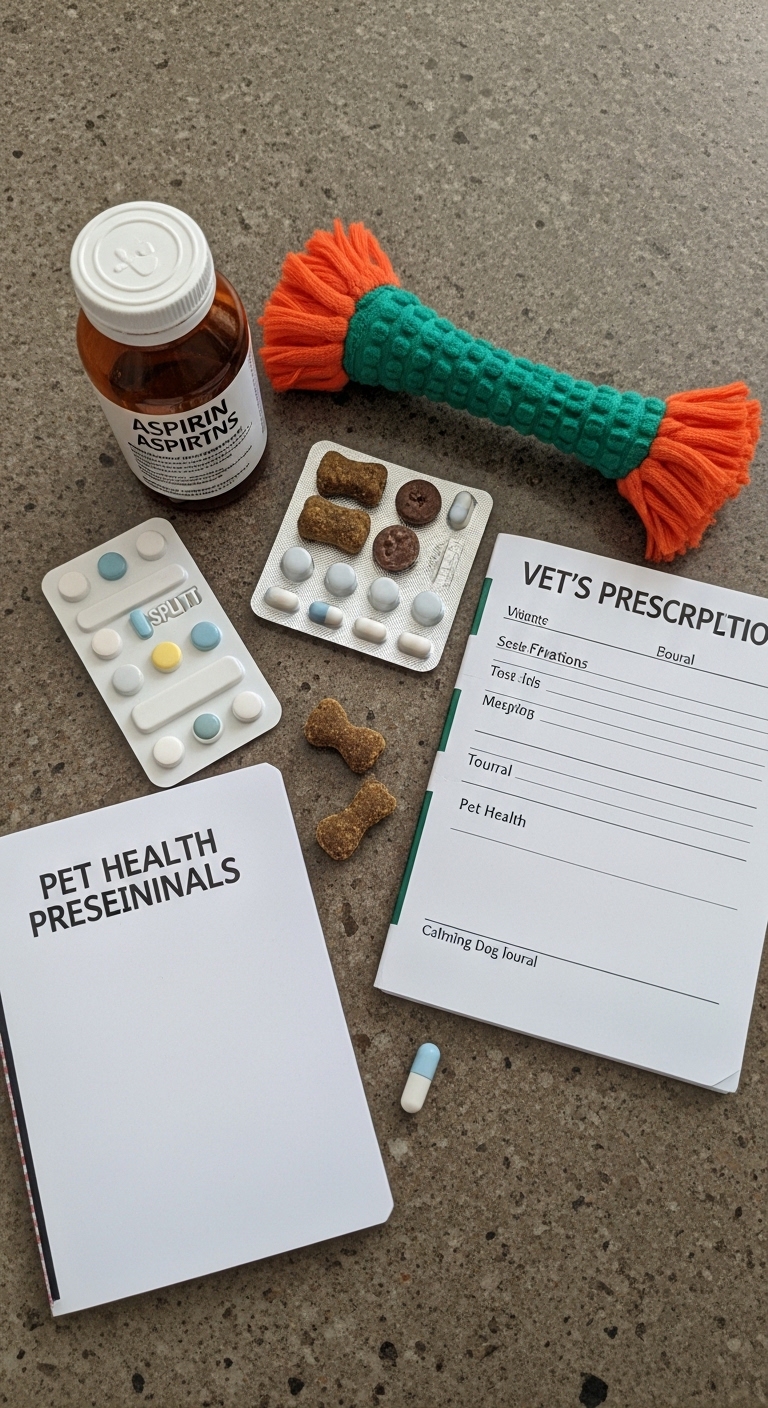
Establishing a daily care routine for your dog can help in early detection of health issues. Regular check-ins for any signs of discomfort, changes in appetite, or unusual behaviors can provide insight into their well-being.
Daily Care Habits
When selecting a pain relief product for your dog, consult with your veterinarian for recommendations tailored to your dog's specific needs. Always choose products that are specifically formulated for dogs to ensure safety.
Choosing the Right Product
Creating a comfortable environment for your dog is just as important as medication. Ensure they have a cozy place to rest and access to fresh water. Regular walks and gentle playtime can also contribute to their overall comfort.
Safety and Comfort
One of the most common mistakes pet owners make is assuming that human medications are safe for their dogs. Always conduct thorough research and seek professional advice before giving any medication.
Common Mistakes to Avoid
Maintaining a clean environment is vital for your dog's health. Regularly clean their bedding and toys, and keep their eating area hygienic to prevent any potential health issues.
Cleaning and Hygiene

In conclusion, understanding the implications of using aspirin for dogs is essential for any pet owner. Adequate knowledge can lead to better health outcomes for your furry friend.
Frequently Asked Questions
- → Is aspirin safe for dogs?
No, aspirin is not inherently safe for dogs. While it can be used in very specific cases under veterinary supervision, it carries risks like stomach ulcers, bleeding, and kidney damage. Always consult your vet before giving your dog aspirin.
- → What happens if a dog eats aspirin?
If a dog ingests aspirin accidentally, it can lead to poisoning. Symptoms include vomiting, diarrhea, loss of appetite, lethargy, or even seizures in severe cases. Contact your vet or an emergency pet poison hotline immediately if this occurs.
- → Can I give my dog baby aspirin?
Baby aspirin may seem safer due to its lower dose, but it’s still not recommended for dogs without veterinary approval. The dosage must be precise based on your dog’s weight, and even small amounts can cause harm if misused.
- → What are safer alternatives to aspirin for dogs?
Safer options include vet-prescribed NSAIDs like carprofen or meloxicam, which are formulated specifically for dogs. Natural remedies such as turmeric, omega-3 fatty acids, or CBD (under vet guidance) may also help with mild pain and inflammation.
- → How much aspirin can I give my dog?
There is no safe over-the-counter dosage of aspirin for dogs. Dosage must be calculated by a veterinarian based on your dog’s weight, health status, and the condition being treated. Never guess or self-medicate your pet.
- → What are the signs of aspirin poisoning in dogs?
Signs of aspirin poisoning include vomiting, diarrhea, black or tarry stools, loss of appetite, weakness, rapid breathing, or collapse. If you suspect poisoning, seek emergency veterinary care immediately.
- → Can puppies have aspirin?
No, puppies should never be given aspirin. Their developing systems are more vulnerable to the drug’s toxic effects. Always use puppy-safe pain relief methods and consult a vet for guidance.