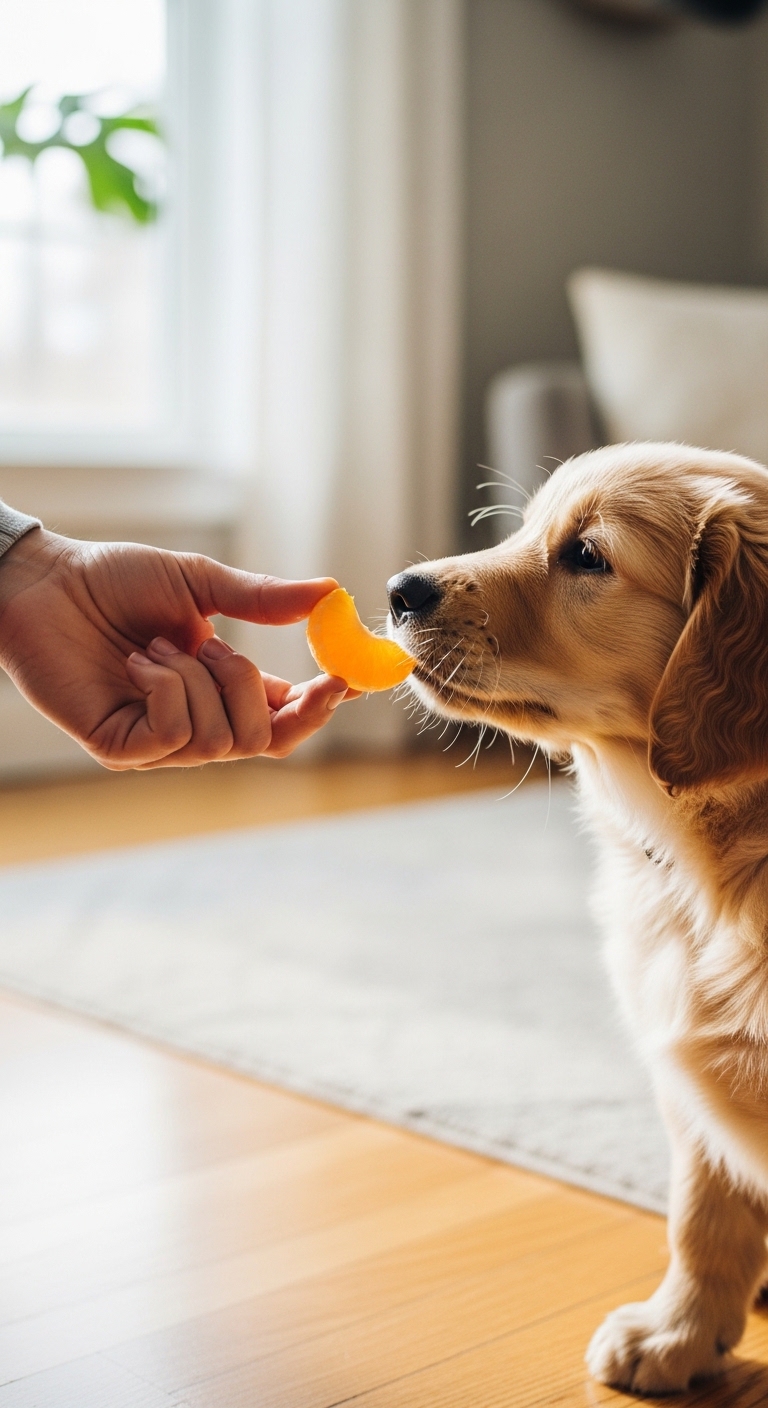
Can dogs eat honeydew? It’s a question many pet owners ask when their pup eyes that juicy slice of melon on the counter. Honeydew is a refreshing, hydrating fruit that humans love, but is it safe for dogs? The answer isn’t as simple as yes or no. While honeydew isn’t toxic to dogs, it’s important to understand how to serve it properly to avoid any health risks. Too much sugar, seeds, or rind can cause digestive upset or other issues. But when given in moderation and prepared correctly, honeydew can be a tasty, low-calorie treat for your furry friend.
I once gave my golden retriever a small piece of honeydew as a treat, only to realize later that the rind had caused a minor blockage. After a quick vet visit, I learned just how important it is to prep fruit properly for dogs.
Key Things to Understand
- Honeydew flesh is safe for dogs in small amounts: because it’s low in calories and high in water content
- The rind and seeds should never be fed to dogs: as they can cause choking hazards or digestive blockages
- Too much honeydew can lead to stomach upset: due to its natural sugar content
- Introduce honeydew slowly: to monitor for any allergic reactions or sensitivities
- Always remove the rind and seeds: before offering honeydew to your dog
What to Look For
When selecting honeydew for your dog, choose ripe but firm pieces with a sweet aroma. Avoid any fruit that smells fermented or has soft spots, as these can indicate spoilage. The flesh should be a pale green or white color, free of bruising or mold. If your dog has never tried honeydew before, start with a tiny piece to see how they react. Watch for signs of digestive upset like vomiting, diarrhea, or excessive gas. Some dogs may also show mild allergic reactions such as itching or hives, so keep an eye on their behavior after eating. If you notice any concerning symptoms, contact your vet right away.
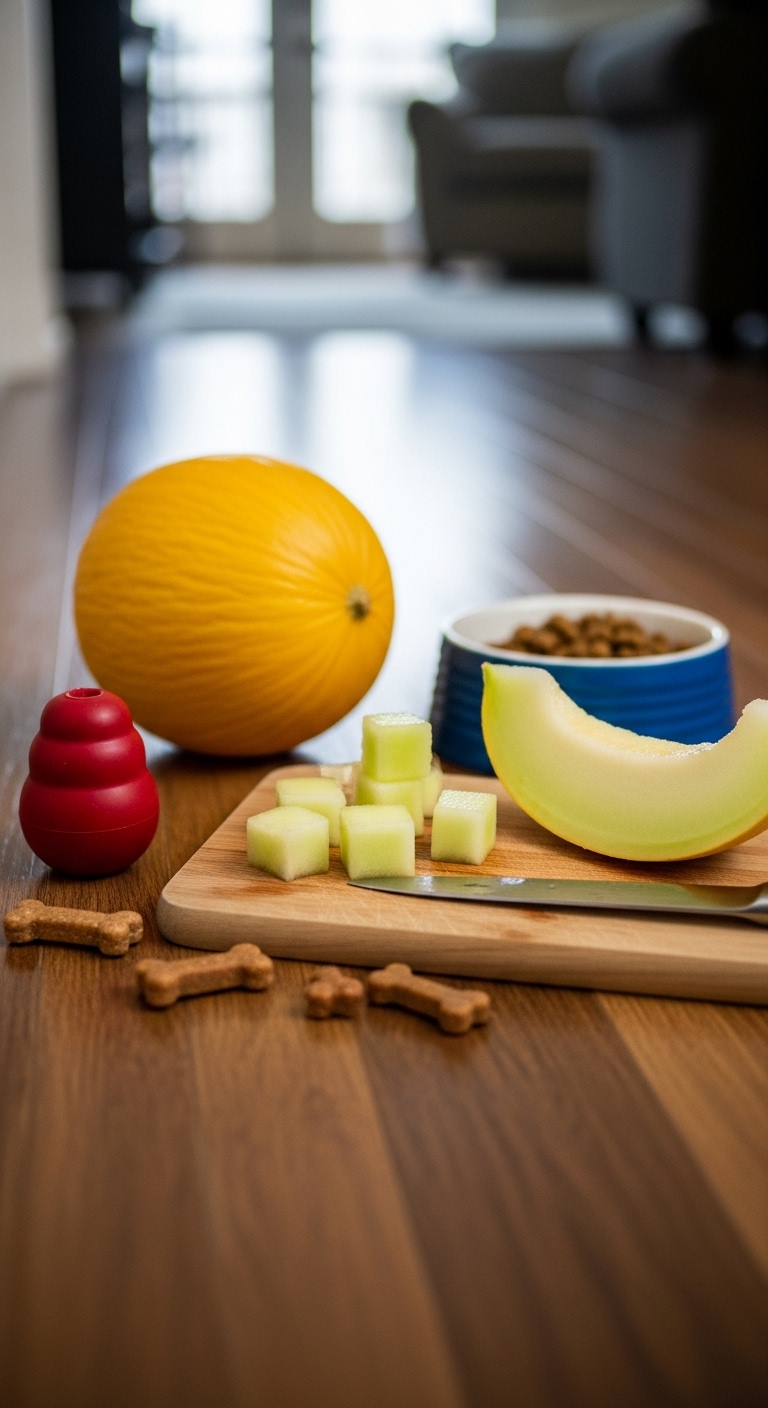
I’ve seen dogs get into trouble when they sneak honeydew rinds from the trash, leading to emergency vet visits. It’s a good reminder to keep fruit scraps out of reach. Another common mistake is assuming all melons are safe: cantaloupe, for example, has a tougher rind that’s even harder for dogs to digest. Stick to honeydew and always prep it carefully.
Serving honeydew the right way
When preparing honeydew for your dog, cut it into small, bite-sized pieces that are easy to chew and swallow. The size should match your dog’s breed: tiny dogs need smaller pieces than larger breeds. Avoid adding any seasonings, sugar, or honey, as these can be harmful. If your dog is new to honeydew, mix a small piece into their regular food to see how they tolerate it. Some dogs may gobble it up right away, while others might sniff and walk away. Don’t force it if they’re not interested.
Honeydew as a hydrating snack
On hot days, frozen honeydew chunks can be a refreshing way to help your dog stay cool. Simply cut the fruit into small cubes, remove the seeds, and freeze them for 30 minutes before serving. This creates a crunchy, hydrating treat that’s perfect for outdoor activities. Just be sure to supervise your dog while they enjoy it to prevent choking. You can also blend honeydew into a puree and freeze it in an ice cube tray for a slushy-style snack.

Signs your dog shouldn’t have honeydew
If your dog has a sensitive stomach or a history of digestive issues, honeydew might not be the best treat. Watch for signs like excessive drooling, lethargy, or refusal to eat after trying honeydew. Some dogs may also develop a mild rash or itchy skin if they’re sensitive to the fruit. If you notice any of these symptoms, stop giving honeydew and consult your vet. It’s always better to err on the side of caution when introducing new foods.
Honeydew can be a safe, refreshing treat for dogs when served properly. Always prioritize preparation and moderation to keep your pup happy and healthy.
Frequently Asked Questions
- → Is honeydew safe for dogs to eat?
Yes, honeydew is safe for dogs in small amounts. It’s low in calories and high in water content, making it a hydrating treat. Always remove the rind and seeds to prevent choking or digestive blockages.
- → How much honeydew can I give my dog?
Offer honeydew as an occasional treat, not exceeding 10% of your dog’s daily caloric intake. For small dogs, 1-2 small cubes are sufficient, while larger breeds can have up to 4-5 cubes per serving.
- → Can honeydew cause allergies in dogs?
While rare, some dogs may be allergic to honeydew. Watch for signs like itching, vomiting, or diarrhea after feeding. Discontinue use if symptoms appear and consult your vet.
- → Should I remove the seeds from honeydew before feeding my dog?
Yes, always remove seeds and rind. Seeds can pose a choking hazard, and the rind is difficult to digest, potentially causing intestinal blockages or stomach upset.
- → Can puppies eat honeydew?
Puppies can eat honeydew in tiny amounts as a treat, but it should not replace their balanced puppy food. Introduce slowly to avoid digestive issues and consult your vet for portion guidance.
- → Does honeydew have any health benefits for dogs?
Honeydew provides vitamins A and C, potassium, and hydration. Its natural sugars are a healthier alternative to processed treats, but moderation is key to avoid sugar-related health issues.