Hard boiled eggs are a simple, protein-packed snack that many pet owners wonder about. They’re easy to prepare and store, making them a convenient option for quick treats or meal toppers. But before you share this human food with your dog, it’s important to know the right way to serve it and when to avoid it altogether.
I’ve seen many owners give their dogs too much egg at once, only to deal with an upset stomach later. A little goes a long way, and moderation is key.
Key Things to Understand
- Portion control: How much egg to give based on your dog’s size and activity level
- Shell removal: Why the shell should be removed before serving
- Plain preparation: The importance of avoiding seasoning, butter, or oil when preparing eggs for dogs
- Allergy signs: Signs that your dog might be allergic to eggs, such as itching or digestive issues
- Feeding frequency: How often you can safely include hard boiled eggs in your dog’s diet without causing problems
What to Look For
Watch for changes in your dog’s energy levels after introducing eggs. Some dogs thrive on the extra protein, while others may feel sluggish if they’re not used to it. Pay attention to their stool consistency too: if it becomes loose or unusually firm, it could signal that the egg isn’t agreeing with them. Also, check their coat for improvements in shine and softness, which often indicate a healthy reaction to new protein sources.
Another thing to notice is how your dog reacts during the first few feedings. Some dogs gobble up eggs eagerly, while others sniff and walk away. If your dog isn’t interested, don’t force it: there might be better treats for them.
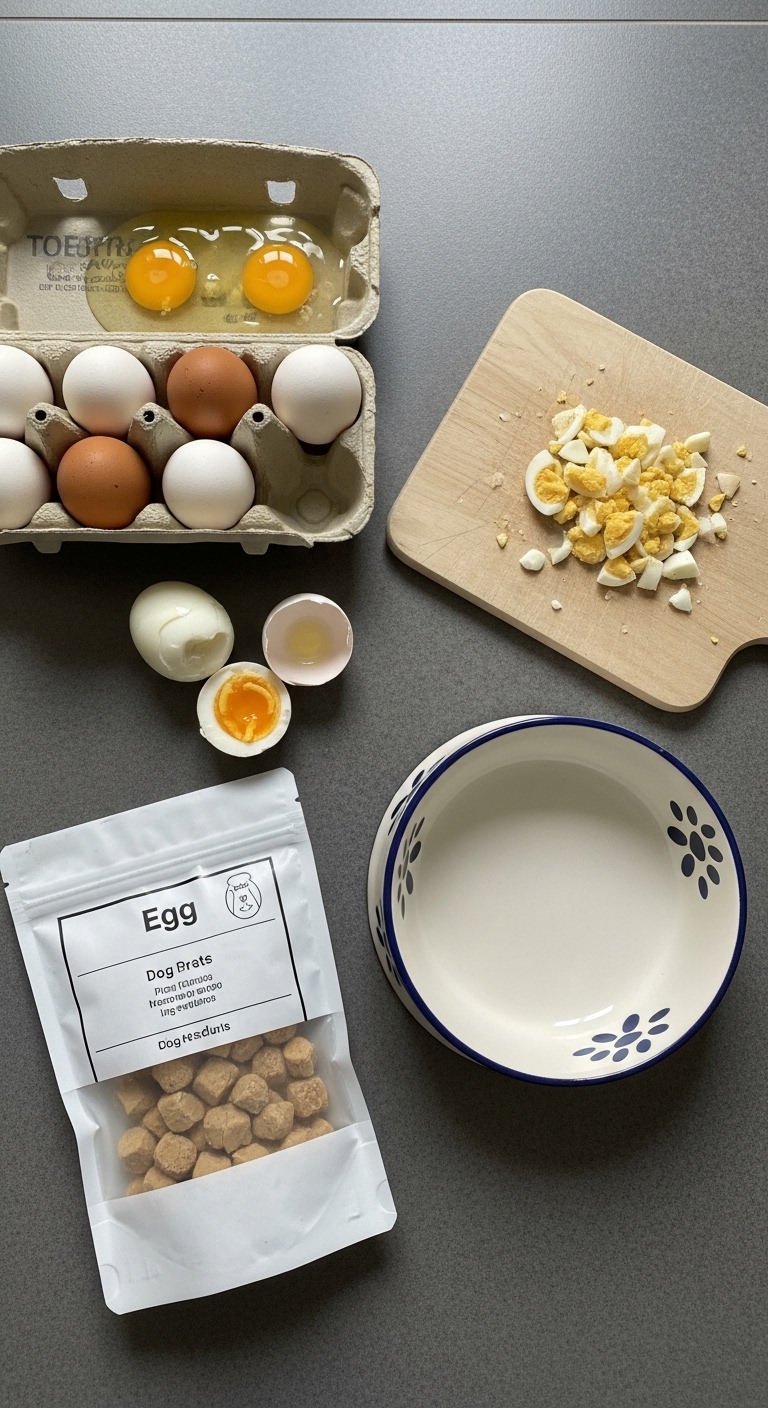
I’ve noticed that dogs with sensitive stomachs often do better with just the egg white, while others handle the whole egg just fine. It’s all about observing your dog’s unique reactions.
Daily Care Habits
If you’re using hard boiled eggs as a meal topper, mix a small amount into their regular food to make it more appealing. This works especially well for picky eaters or dogs recovering from illness. Just remember to adjust their regular portion size to avoid overfeeding.
Choosing the Right Product
When buying eggs for your dog, opt for organic or pasture-raised whenever possible. These eggs tend to have a better nutrient profile and fewer contaminants than conventional options. Avoid eggs from unknown sources, as they could carry bacteria like salmonella.
Safety and Comfort
Always let the egg cool completely before serving to prevent burns. Cut it into small, bite-sized pieces to reduce the risk of choking, especially for small breeds. If your dog has a habit of gulping food, consider mashing the egg slightly to slow them down.
Common Mistakes to Avoid
Don’t make eggs a daily staple unless your vet approves. Too much protein can strain your dog’s kidneys over time. Also, avoid feeding eggs that have been sitting out for more than two hours, as they can spoil quickly and cause stomach issues.
Cleaning and Hygiene
Wash your hands thoroughly after handling raw eggs to prevent cross-contamination. If you’re boiling eggs specifically for your dog, use a separate pot from your own cooking to avoid any lingering odors or flavors that might tempt you to share.
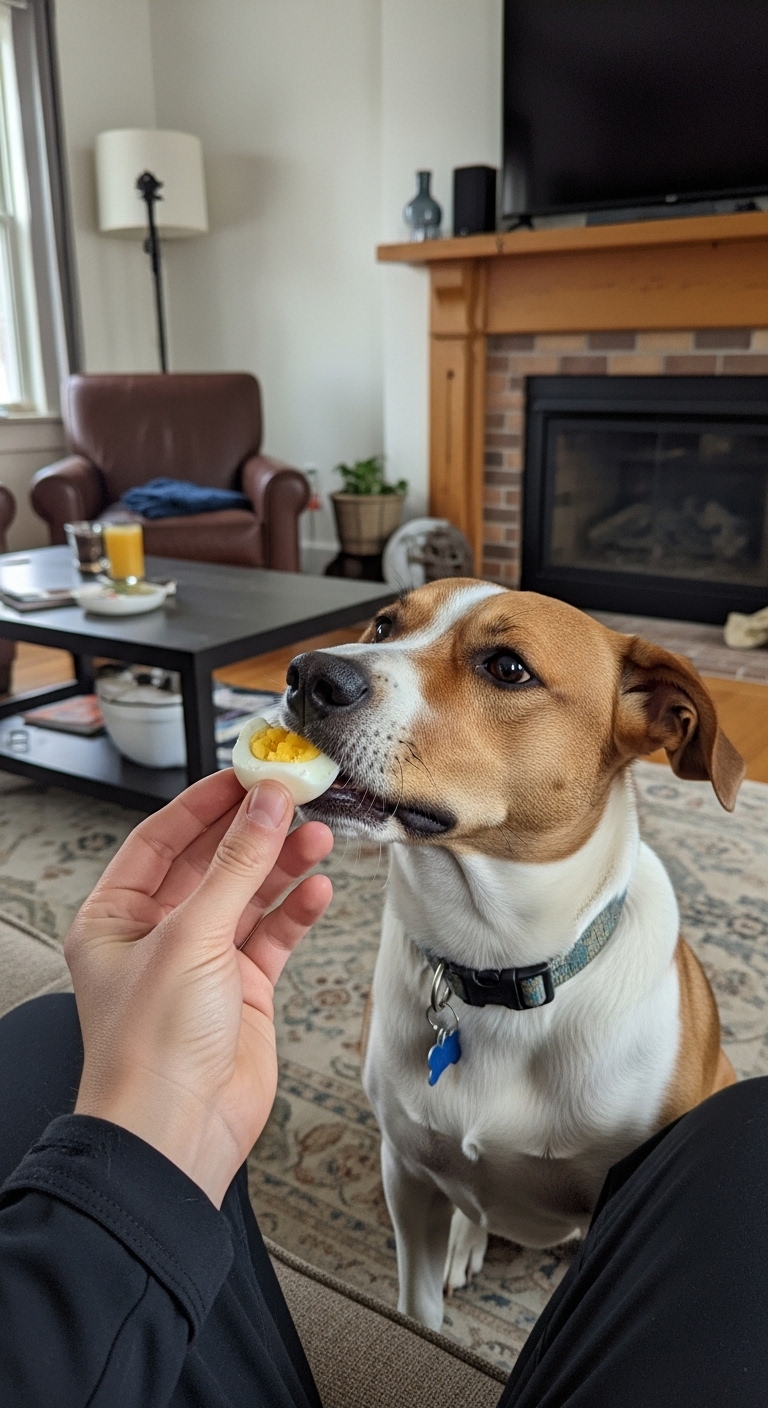
Hard boiled eggs can be a healthy addition to your dog’s diet when served properly. Always prioritize your dog’s individual needs and consult your vet if unsure.
Frequently Asked Questions
- → Can all dogs eat hard-boiled eggs?
Most dogs can safely eat hard-boiled eggs in moderation. However, dogs with specific health conditions, such as pancreatitis or allergies to eggs, should avoid them. Always introduce new foods gradually and consult your vet if unsure.
- → How should I prepare hard-boiled eggs for my dog?
Boil eggs without salt, oil, or seasoning until fully cooked. Peel the shell completely, chop into small, bite-sized pieces, and serve plain. Avoid raw eggs due to the risk of salmonella.
- → What are the benefits of feeding eggs to dogs?
Eggs provide high-quality protein, essential amino acids, and vitamins like B12 and D. They support muscle health, energy levels, and a shiny coat. The healthy fats in eggs also promote skin and coat condition.
- → How much egg can I give my dog?
For small dogs, one-quarter to half an egg is sufficient as a treat. Medium to large dogs can have half to one full egg. Limit treats to no more than 10% of your dog’s daily calorie intake to avoid weight gain.
- → Can eggs cause allergies in dogs?
Yes, some dogs may be allergic to eggs. Signs of an allergic reaction include itching, skin rashes, vomiting, or diarrhea. If you notice these symptoms, stop feeding eggs and consult your veterinarian.
- → Are raw eggs safe for dogs?
No, raw eggs are not recommended for dogs due to the risk of salmonella and biotin deficiency. Cooking eggs thoroughly kills harmful bacteria and makes them safer to eat.