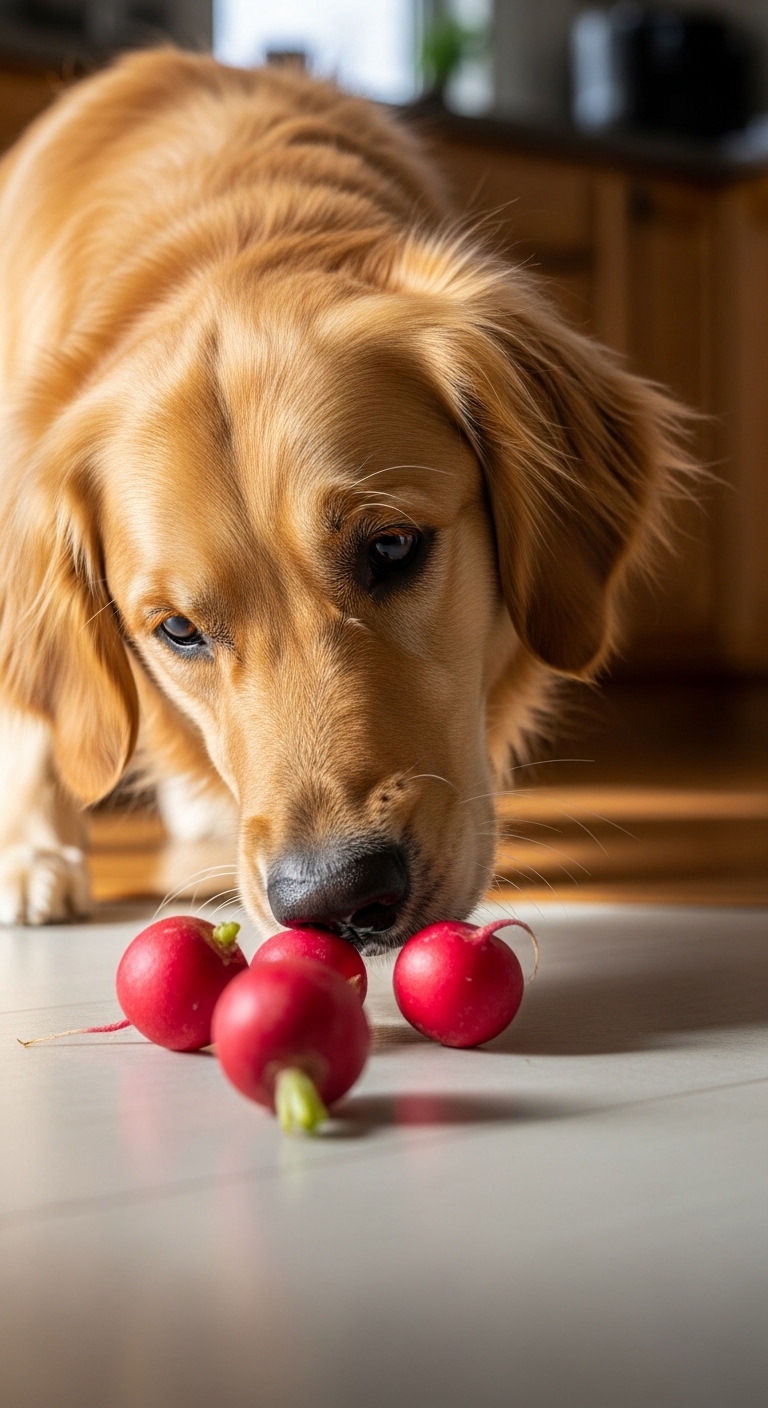
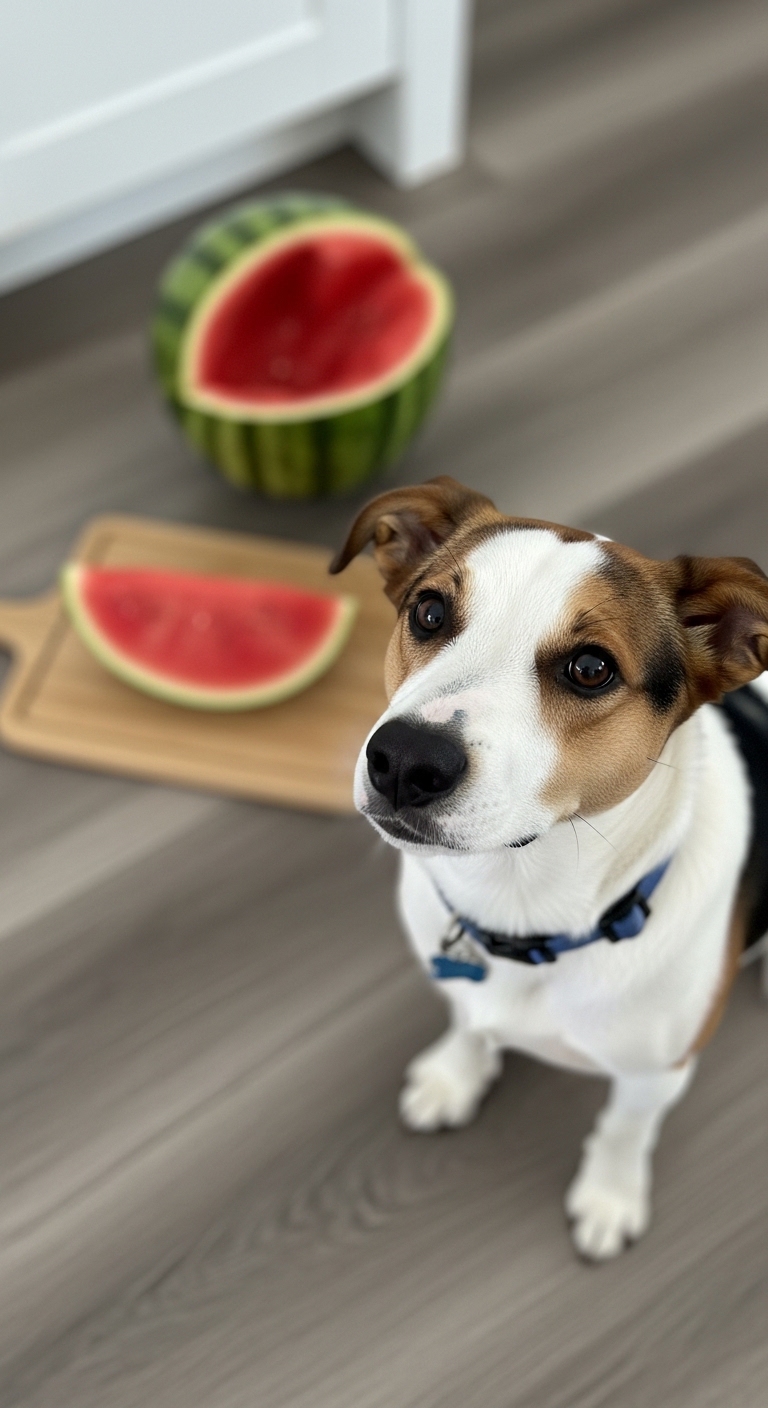
Can dogs eat pumpkin? It’s a question many pet owners ask, especially when their pup gives those big, hopeful eyes during dinner time. Pumpkin isn’t just a seasonal treat: it’s a simple, natural way to support your dog’s digestion, add fiber to their diet, and even help with upset stomachs. Whether you’re mixing it into their food or using it as a low-calorie snack, understanding how to use pumpkin safely can make a big difference in your dog’s health and happiness.
I remember when my own dog, a picky eater, turned his nose up at his kibble until I mixed in a spoonful of pumpkin. The next meal, he gobbled it right up and I’ve been a fan ever since.
Key Things to Understand
- Pumpkin is safe for dogs in moderation: but only plain pumpkin, not pumpkin pie filling, which contains sugar and spices that can be harmful.
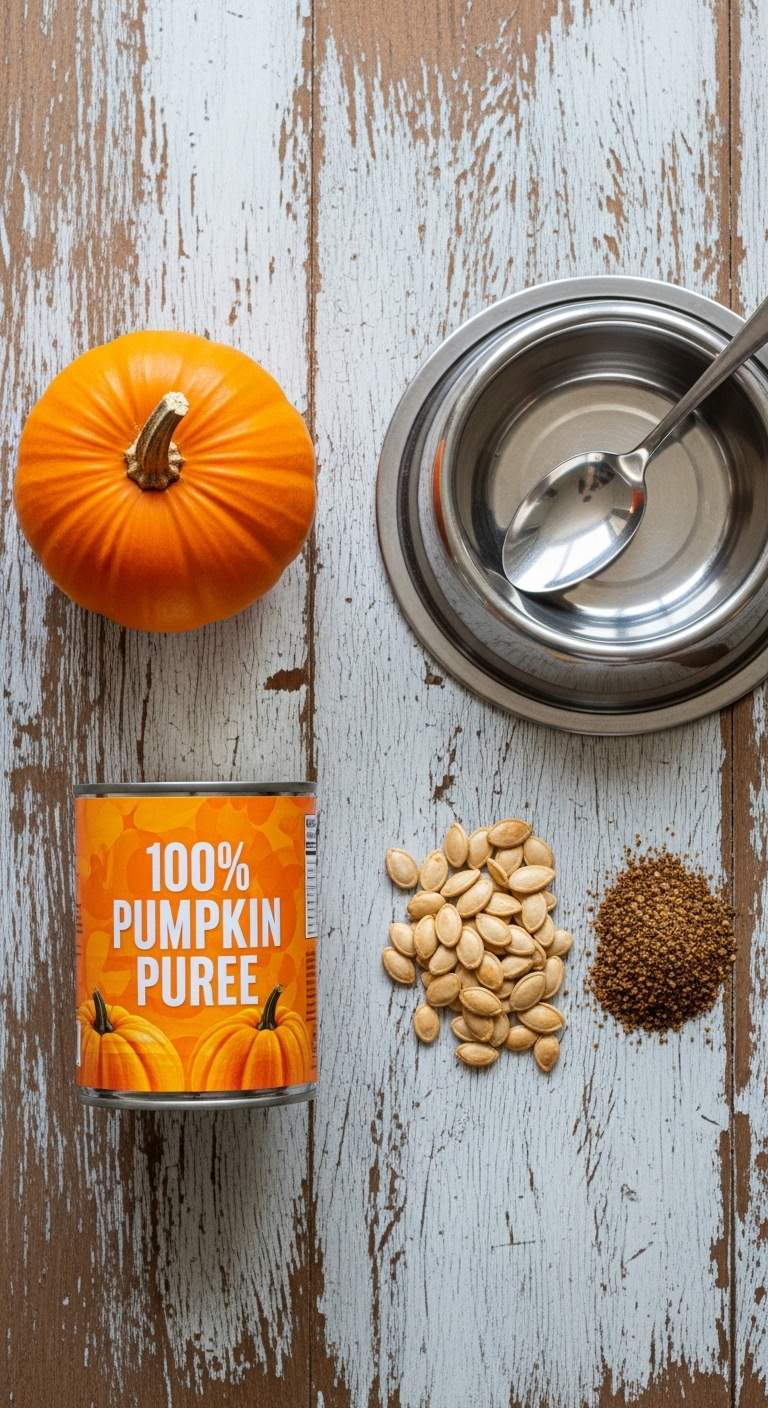
- Canned pumpkin is convenient: but make sure it’s 100% pure pumpkin with no additives.
- Fresh pumpkin can also work: but it needs to be cooked and pureed to make it easy for your dog to digest.
- Too much pumpkin can cause digestive upset: so start with small amounts and monitor your dog’s reaction.
- Pumpkin is not a cure-all: if your dog has persistent digestive issues, it’s best to consult your vet.
What to Look For
When choosing pumpkin for your dog, the label should clearly state it’s 100% pumpkin with no added sugars, spices, or artificial ingredients. Pie fillings often contain cinnamon, nutmeg, and sugar, which can upset your dog’s stomach or even be toxic in large amounts. If you’re using fresh pumpkin, look for a firm, heavy squash with a smooth, unblemished skin: these tend to have the best flavor and texture when cooked and pureed. The color should be a deep orange, indicating it’s rich in beta-carotene, which is great for your dog’s skin and coat. Another thing to watch for is the texture of the puree. It should be smooth and free of lumps, making it easy for your dog to eat and digest. If the puree is too thick, you can thin it out with a little water or low-sodium broth to make it more palatable. Always introduce pumpkin slowly into your dog’s diet, starting with a teaspoon for small dogs or a tablespoon for larger breeds, and gradually increasing the amount if they tolerate it well.
I once saw a friend give their dog a whole can of pumpkin pie filling as a treat, thinking it was the same as plain pumpkin. Within hours, the dog was lethargic and had a stomachache. It was a good reminder that not all pumpkin products are created equal and that even “natural” ingredients can cause problems if they’re not used correctly.
Daily care habits
Adding a spoonful of plain pumpkin to your dog’s food a few times a week can help maintain healthy digestion and regular bowel movements. It’s especially useful during times of stress, like when you’re traveling or if your dog is adjusting to a new routine. Just be consistent with the amount you use, and keep an eye on your dog’s stool to ensure it’s not too firm or too loose.
Choosing the right product
When shopping for pumpkin, opt for plain canned pumpkin or fresh pumpkin puree. Avoid anything labeled as “pumpkin pie filling” or “pumpkin dessert,” as these often contain added sugars and spices. If you’re unsure, check the ingredient list: it should only contain pumpkin. For fresh pumpkin, look for small sugar pumpkins or pie pumpkins, as they’re sweeter and easier to cook than the large carving pumpkins.
Safety and comfort
Always introduce pumpkin slowly to avoid upsetting your dog’s stomach. Start with a small amount, like a teaspoon for a small dog or a tablespoon for a larger breed, and gradually increase over a week. If your dog has never had pumpkin before, monitor them closely for the first 24 hours to ensure they don’t develop diarrhea or constipation. If they seem fine, you can continue using it as a regular supplement.
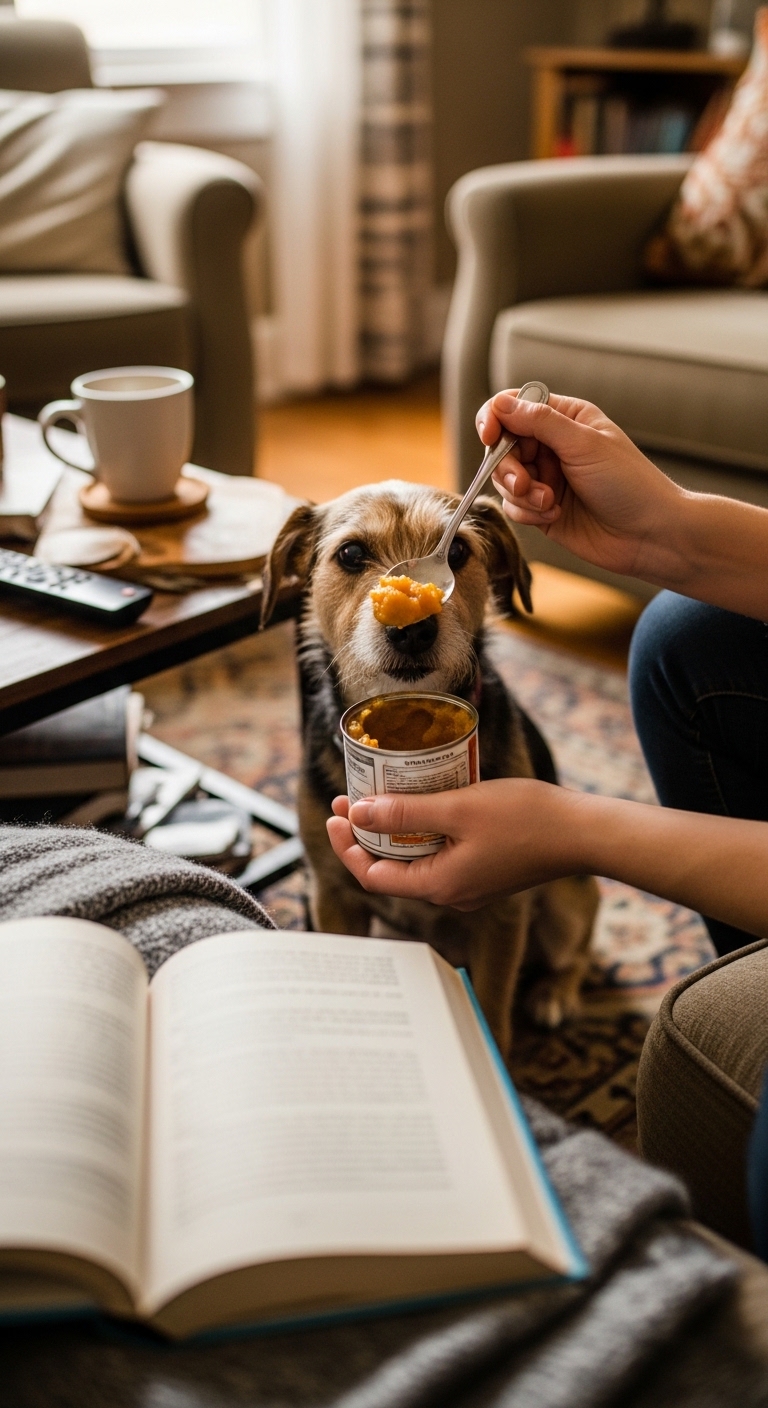
Pumpkin can be a great addition to your dog’s diet when used correctly.
Frequently Asked Questions
- → Is pumpkin safe for all dogs?
Most dogs can safely eat plain pumpkin in moderation. However, dogs with diabetes or those on low-sugar diets should avoid it due to natural sugars. Always introduce new foods gradually and monitor for any adverse reactions.
- → How much pumpkin can I give my dog?
Start with small amounts: about 1 teaspoon per 10 pounds of body weight for small dogs, and 1-4 tablespoons for larger breeds. Adjust based on your dog’s size and tolerance. Too much can cause digestive upset.
- → Can pumpkin help with my dog’s diarrhea?
Yes, plain pumpkin can help firm up stools due to its soluble fiber content. It absorbs excess water in the digestive tract, which may reduce diarrhea. Use plain, cooked pumpkin—not pie filling—and introduce it slowly.
- → What’s the best way to serve pumpkin to dogs?
Serve plain, cooked pumpkin (fresh or plain canned) without spices, sugar, or additives. You can mix it into their regular food or offer it as a treat. Avoid canned pumpkin pie filling, as it contains toxic ingredients like nutmeg.
- → Can puppies eat pumpkin?
Yes, puppies can eat plain pumpkin in small amounts. It can support their digestion and provide essential nutrients. Ensure it’s plain and cooked, and introduce it gradually to avoid stomach upset. Consult your vet for specific guidance.
- → Does pumpkin help with dog constipation?
Yes, pumpkin’s high fiber content can help relieve constipation by adding bulk to stools and promoting regular bowel movements. Use plain, cooked pumpkin and ensure your dog stays hydrated. If constipation persists, consult your vet.