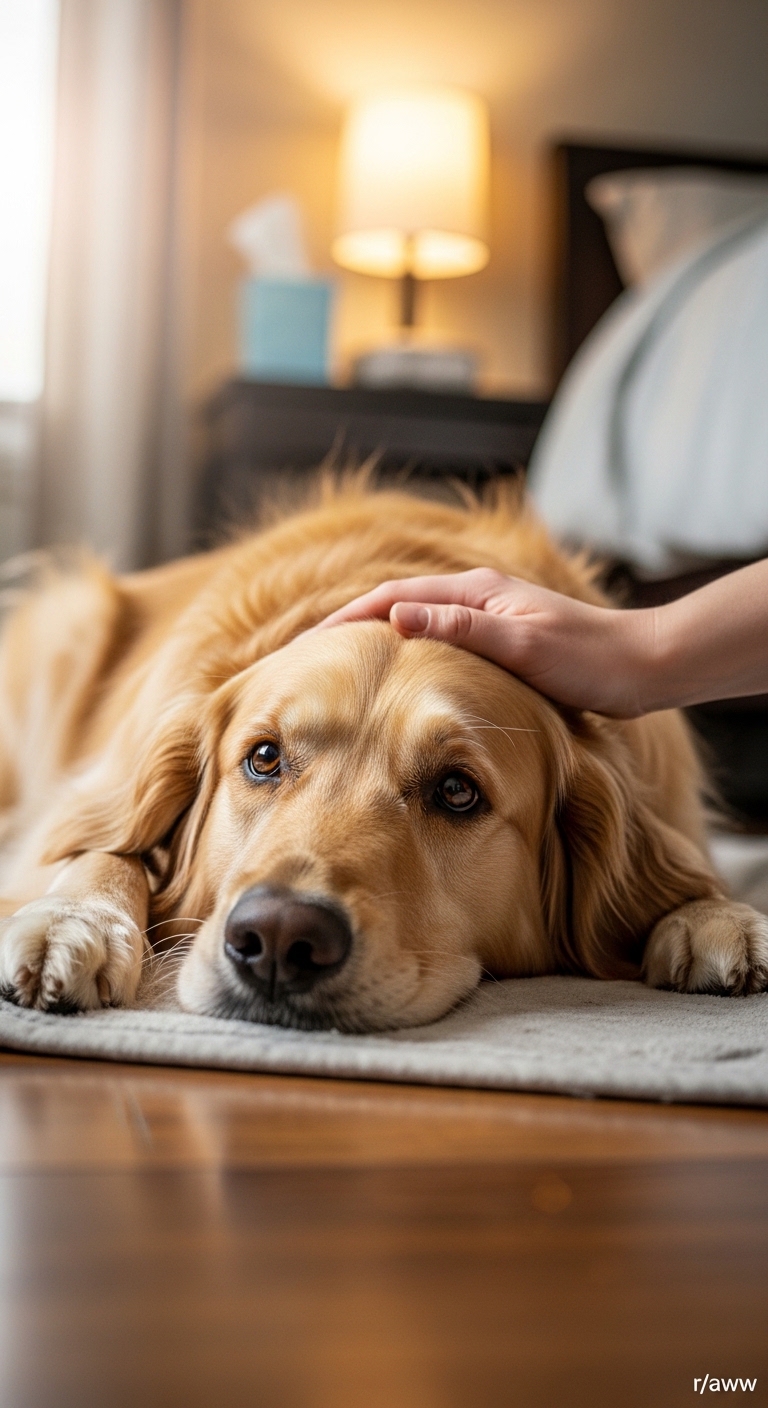
Are peanuts bad for dogs? It’s a question many pet owners ask when sharing snacks or checking ingredient labels. Peanuts themselves aren’t toxic to dogs, but they come with risks that every owner should know. Whether you’re tempted to toss your pup a peanut as a treat or you’re scanning dog food bags for hidden ingredients, understanding the facts can keep your furry friend safe and healthy.
I remember once giving my neighbor’s dog a few plain peanuts without thinking much about it until I noticed they weren’t digesting well. A quick call to the vet confirmed it was a mild reaction, but it taught me that even "safe" human foods need careful consideration.
Key Things to Understand
- Toxicity: Peanuts aren’t toxic to dogs but can cause issues if given in large amounts or prepared improperly
- Safe types: Raw, dry-roasted, or unsalted peanuts are the safest options since salted or flavored varieties may contain harmful additives
- Peanut butter: Often safe in small quantities but should be free of xylitol, a deadly sweetener for dogs
- Allergies: Rare in dogs but can happen, so watch for itching, swelling, or digestive problems after feeding
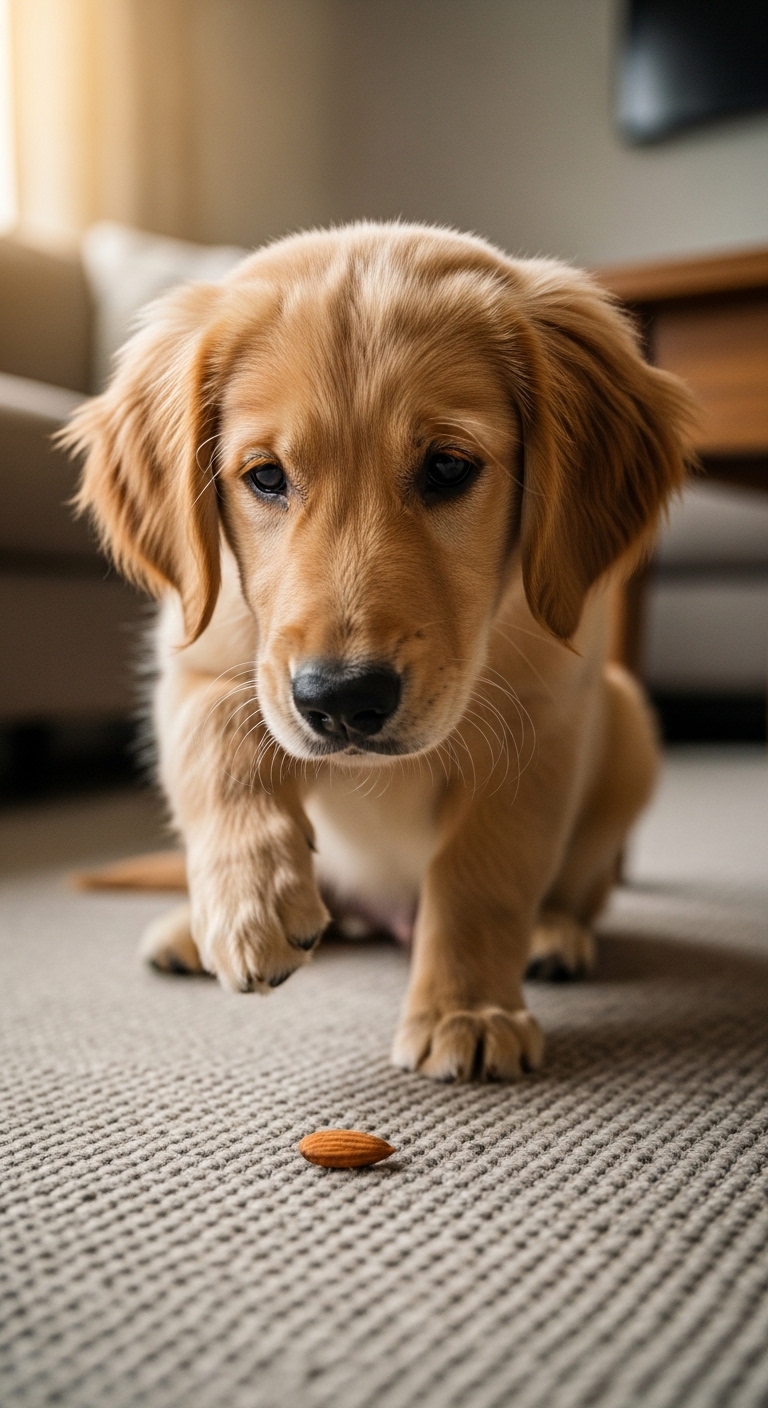
- Choking risk: Whole peanuts pose hazards, especially for small breeds or dogs that gulp food without chewing
What to Look For
Pay attention to how your dog reacts after eating peanuts. Some may tolerate them fine, while others could show signs of discomfort like vomiting, diarrhea, or excessive scratching. If you’re introducing peanuts for the first time, start with a tiny amount and monitor their behavior for at least a few hours. Also, check the ingredient list on peanut butter containers—many brands add sugars, salts, or artificial sweeteners that can be harmful. If you’re unsure, opt for plain, unsweetened varieties labeled specifically for pets.
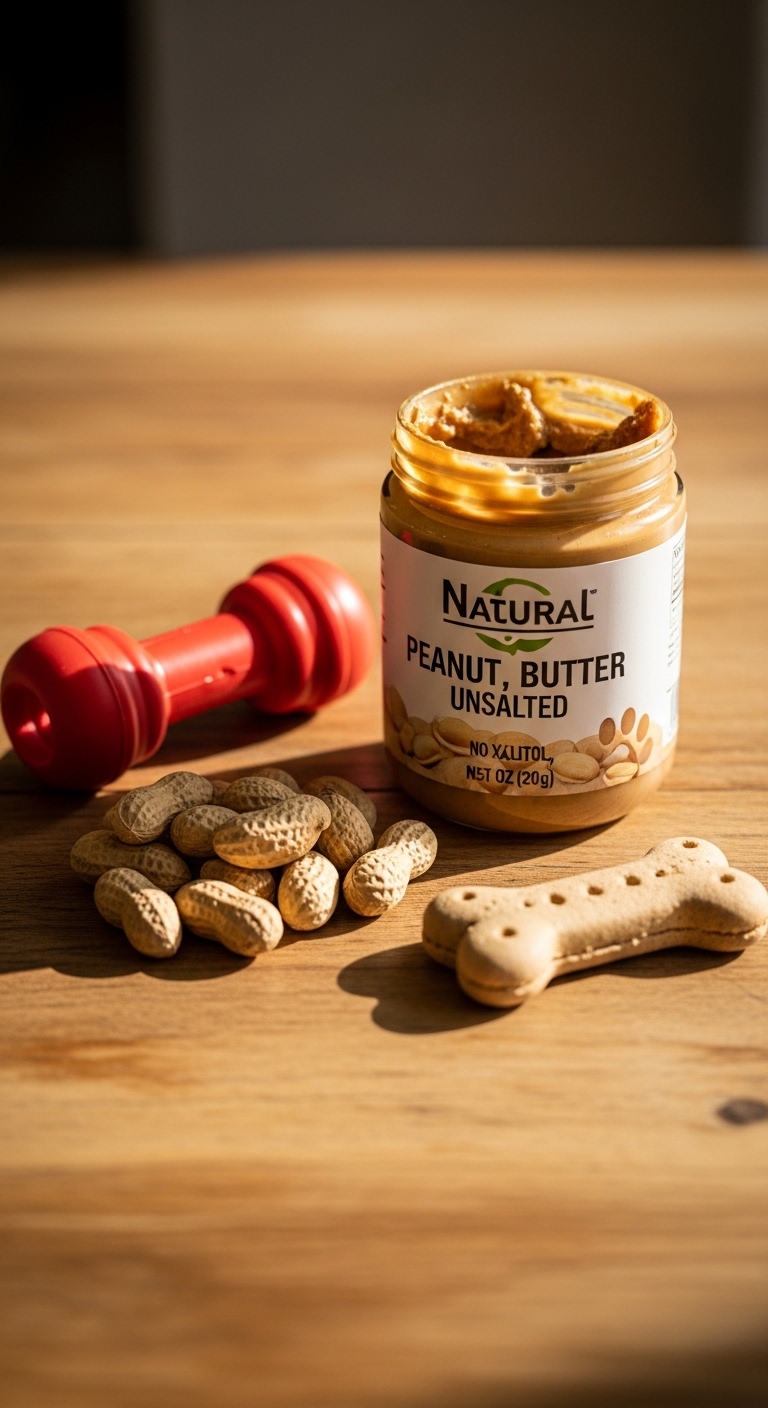
I once saw a dog owner give their tiny Chihuahua a whole spoonful of peanut butter as a "treat," only to rush to the emergency vet later that night with a severe stomach upset. It’s a reminder that portion control matters, no matter how much your dog begs.
Moderation and Health Considerations
Peanuts in moderation can be a fun, protein-packed snack for many dogs, but they’re not a one-size-fits-all solution. Always introduce new foods slowly and watch for any negative reactions. If your dog has health conditions like diabetes or obesity, it’s especially important to consult your vet before sharing human snacks.
Dogs and Peanut Preferences
Some dogs love the taste of peanuts and peanut butter, while others couldn’t care less. If your pup isn’t interested, don’t force it—there are plenty of other safe treats to try. On the flip side, if your dog goes wild for peanut butter, use it sparingly to avoid overfeeding.
Safe Alternatives and Portion Control
If peanuts or peanut butter become a regular treat, balance them with lower-fat options like carrot sticks or apple slices (without seeds). For dogs that adore peanut butter, consider using it as a high-value reward during training, but limit portions to avoid excess calories.
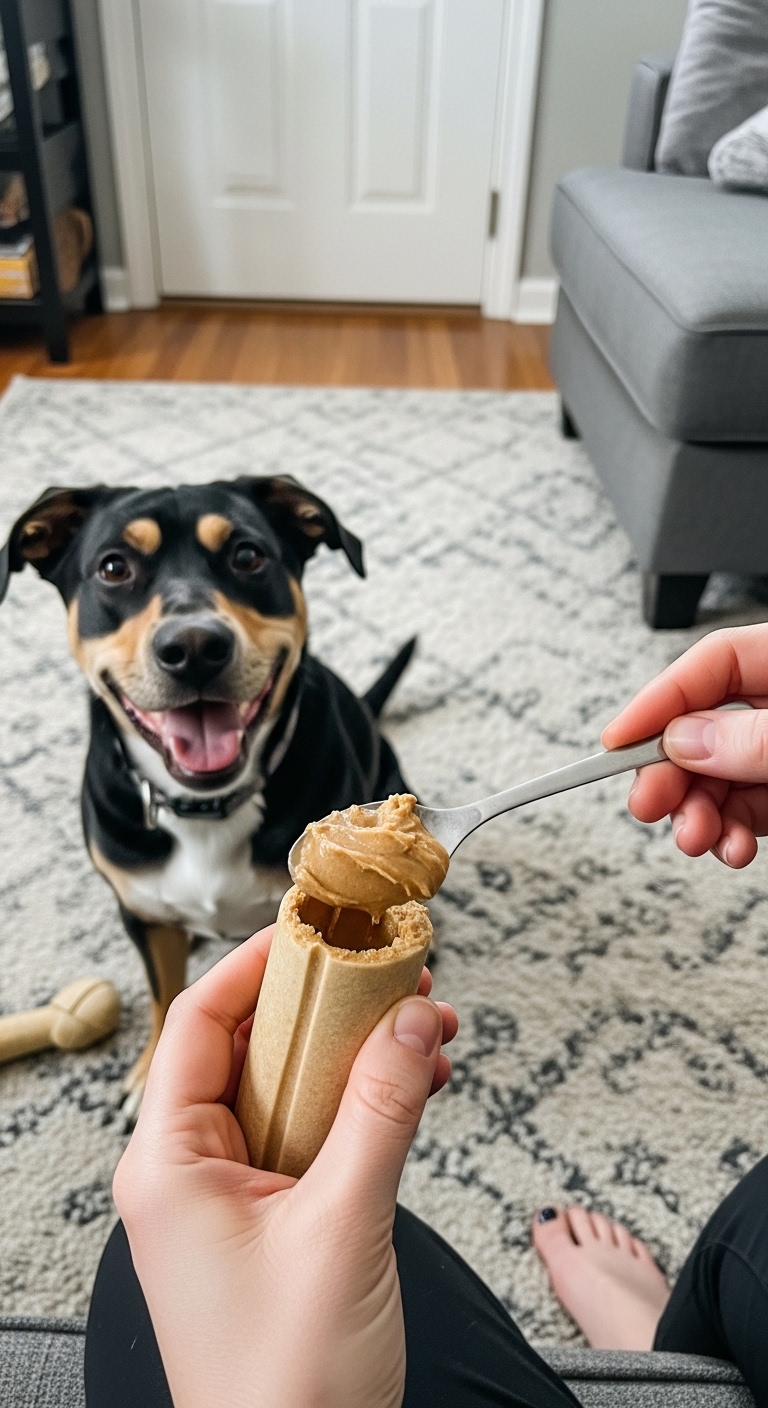
When in doubt, consult your vet before introducing peanuts or peanut butter. Every dog is different, and what works for one may not suit another.
Frequently Asked Questions
- → Can dogs eat peanuts safely?
Dogs can eat plain, unsalted peanuts in small amounts, but they are not an ideal snack. Peanuts are high in fat and calories, which can contribute to weight gain and digestive issues. Always remove shells to prevent choking hazards.
- → What are the risks of feeding peanuts to dogs?
The main risks include high fat content leading to pancreatitis, potential aflatoxin exposure from moldy peanuts, and added ingredients like salt or xylitol in flavored varieties. Salted or candied peanuts are particularly dangerous.
- → How many peanuts can I give my dog?
Peanuts should only be given as an occasional treat in very small quantities. A few peanuts (about 1-2) for a medium-sized dog is sufficient. Larger dogs may have slightly more, but moderation is key to avoid health issues.
- → Are peanut butter and peanuts the same for dogs?
Not exactly. Plain peanut butter without xylitol or added sugars can be safer in moderation, but it is still high in fat and calories. Always check the label for harmful additives and feed sparingly.
- → What are healthier alternatives to peanuts for dogs?
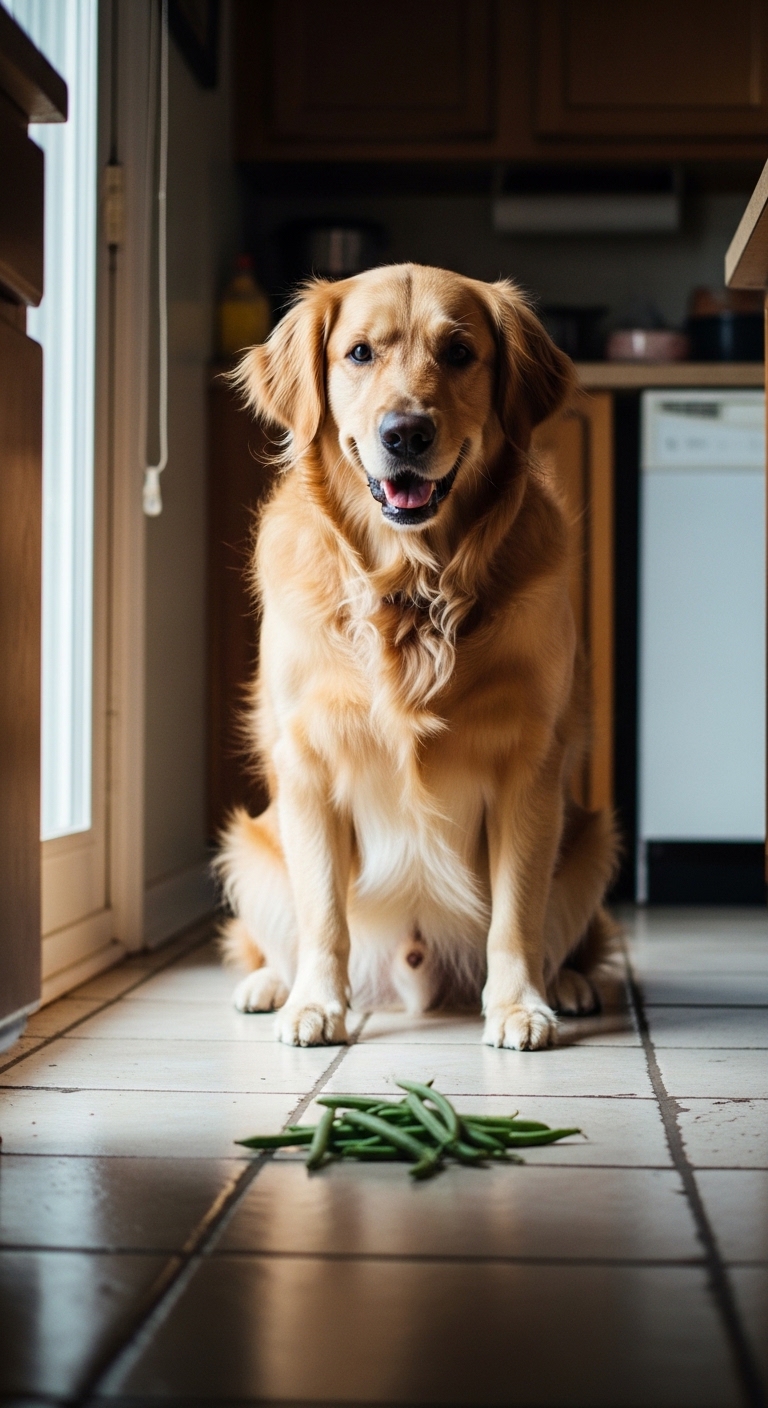
Safer snack options include carrots, green beans, apple slices (without seeds), plain pumpkin, or commercial dog treats. Always introduce new foods gradually and consult your vet for personalized advice.
- → Can puppies eat peanuts?
Puppies should avoid peanuts due to their high fat content and potential choking hazards. Their digestive systems are still developing, and high-fat foods can cause stomach upset or more serious conditions like pancreatitis.