Can dogs eat pizza? It’s a question every dog owner has faced at some point, whether it’s those puppy eyes staring up at you while you enjoy a slice or the temptation to share a treat that feels harmless. Pizza is a human staple, but for dogs, it’s not as simple as a quick bite. Many pet owners don’t realize how certain ingredients in pizza can affect their dogs, from digestive upset to more serious health risks. Understanding what’s safe and what’s not can save you and your pup from an uncomfortable or even dangerous situation.
I remember the first time my dog got into a slice of pepperoni pizza left unattended. The guilt was immediate, but the real worry came when he started vomiting a few hours later. That moment taught me just how quickly a seemingly harmless snack can turn into a vet visit.
Key Things to Understand
- Dogs should never eat pizza with garlic or onions: these ingredients are toxic and can damage red blood cells
- Cheese and tomato sauce in pizza: can cause digestive issues like diarrhea or stomach upset in many dogs
- Pepperoni and other processed meats: are high in salt and fat, which can lead to pancreatitis or dehydration
- Even plain pizza dough: can be dangerous if eaten raw because it may expand in the stomach and cause bloating
- Some dogs may tolerate a tiny piece of plain, cooked pizza crust without toppings: but this isn’t a guarantee for all dogs
What to Look For
Watch for signs of food intolerance after your dog eats anything new, especially human food. Symptoms like vomiting, diarrhea, lethargy, or excessive thirst could mean the pizza didn’t agree with them. If your dog has a sensitive stomach or a history of digestive issues, it’s best to avoid pizza altogether. Pay attention to the ingredients list on any pizza you’re considering sharing, even if it’s just a small bite, hidden additives like garlic powder or excessive salt can sneak in. If your dog is prone to begging or sneaking food, keep pizza out of reach to prevent accidental ingestion.
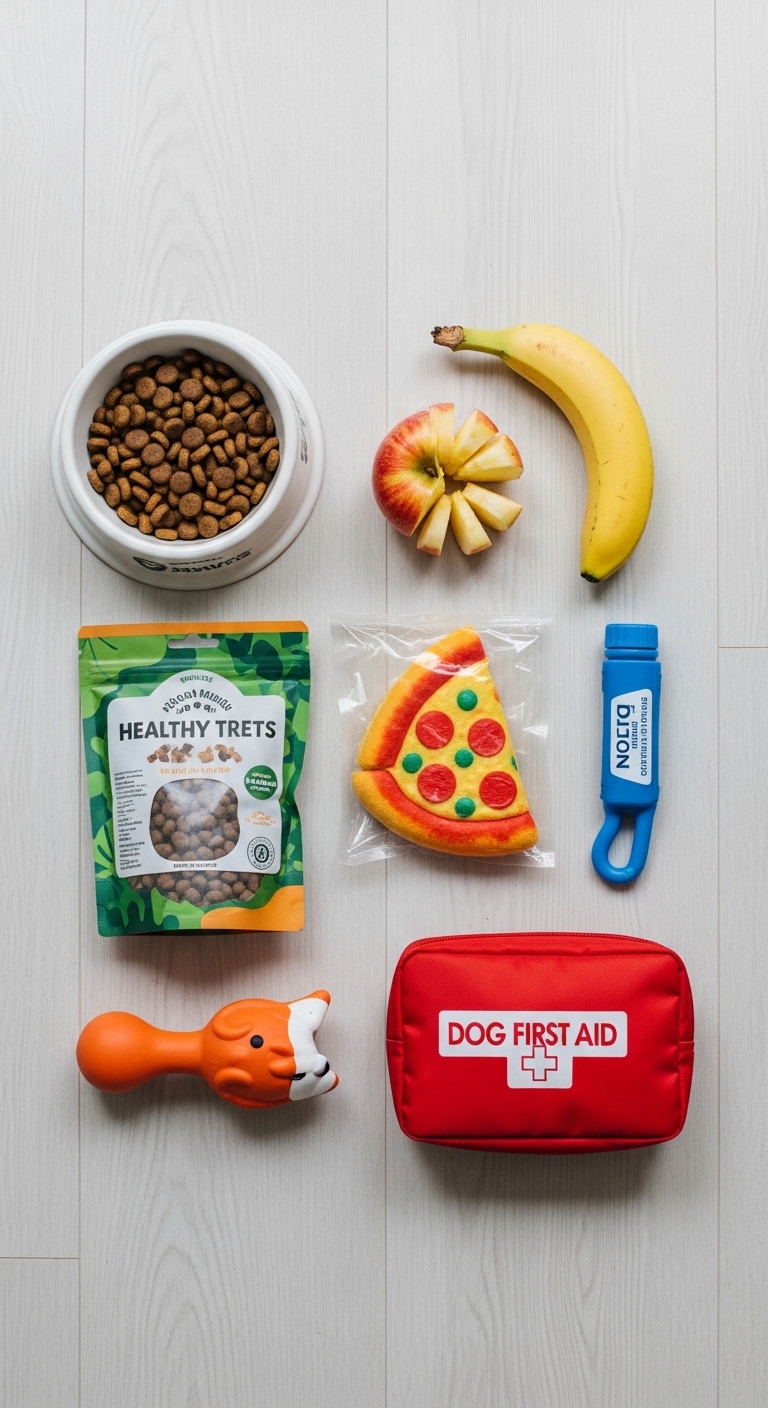
Many pet owners don’t realize that just one slice of pizza can contain more salt than a dog should have in an entire day. That’s why it’s so important to resist those pleading eyes and stick to dog-safe treats instead.
Why Plain Pizza Crust Isn’t a Safe Option
While plain pizza crust might seem like a harmless choice, it’s still high in carbohydrates and can contribute to obesity if given frequently. Plus, the dough itself can pose a risk if it contains yeast, which may continue to rise in your dog’s stomach and cause bloating or even a dangerous condition called gastric dilatation-volvulus. Even if the crust is plain, it’s not a balanced or healthy snack for your pup.
Signs Your Dog Ate Something They Shouldn’t Have
If your dog sneaks a bite of pizza, monitor them closely for the next 24 hours. Look for vomiting, diarrhea, excessive drooling, or signs of abdominal pain like whining or restlessness. In severe cases, symptoms like tremors, weakness, or collapse could indicate toxicity from ingredients like garlic or onions. If you notice any of these signs, contact your vet immediately.
Healthier Alternatives to Pizza
Instead of sharing pizza, try offering your dog small pieces of cooked chicken, carrots, or apple slices as a treat. These options are low in fat and salt while still being tasty and satisfying. You can also find dog-friendly pizza treats made with safe, natural ingredients if you want to give them a similar experience without the risks.
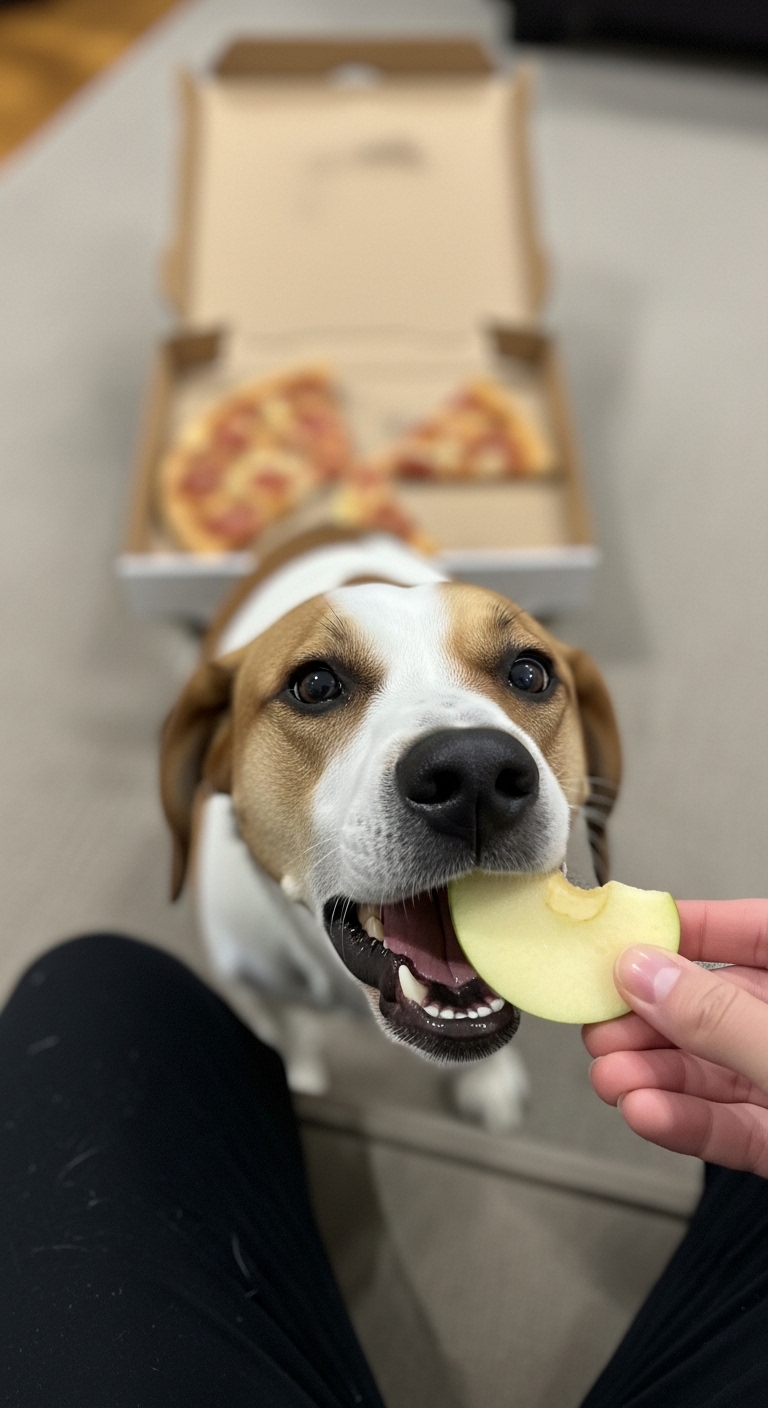
Stick to dog-safe treats to keep your pup happy and healthy.
Frequently Asked Questions
- → Can dogs eat pizza crust?
Plain pizza crust in small amounts is usually not toxic, but it offers no nutritional value and can contribute to obesity or digestive issues due to its high carb and fat content. Avoid seasoned or garlic-infused crusts.
- → Is cheese on pizza safe for dogs?
Cheese is not toxic to dogs in small quantities, but many dogs are lactose intolerant, leading to stomach upset. High-fat cheeses can also cause pancreatitis. It's best to avoid feeding cheese-heavy toppings like pizza.
- → What toppings make pizza dangerous for dogs?
Common pizza toppings like garlic, onions, pepperoni, sausage, and mushrooms are toxic or harmful to dogs. Even small amounts can cause poisoning, digestive distress, or long-term health problems.
- → Can dogs eat pizza sauce?
Pizza sauce often contains garlic, onions, and high sodium levels, which are unsafe for dogs. The acidic nature can also irritate their stomach. Plain tomato slices in moderation may be safer, but avoid seasoned sauces.
- → What should I do if my dog eats pizza?
Monitor your dog for symptoms like vomiting, diarrhea, lethargy, or excessive thirst. If they consume a large amount or show concerning signs, contact your vet immediately. Keep human food out of reach to prevent accidental ingestion.
- → Are there safe alternatives to pizza for dogs?
Yes! Offer dog-safe treats like plain cooked chicken, carrots, green beans, or commercial pet snacks. Always introduce new foods gradually and in moderation to avoid digestive upset or allergic reactions.