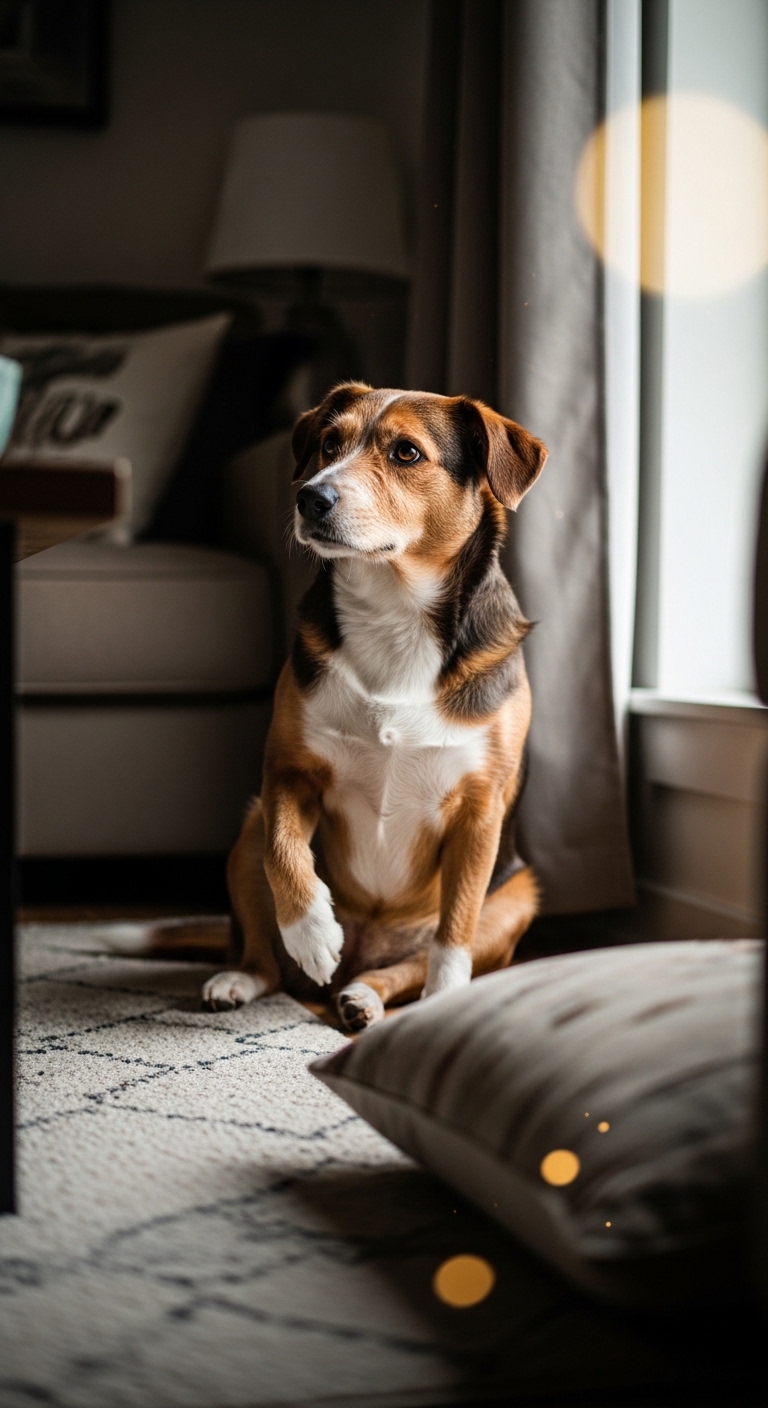
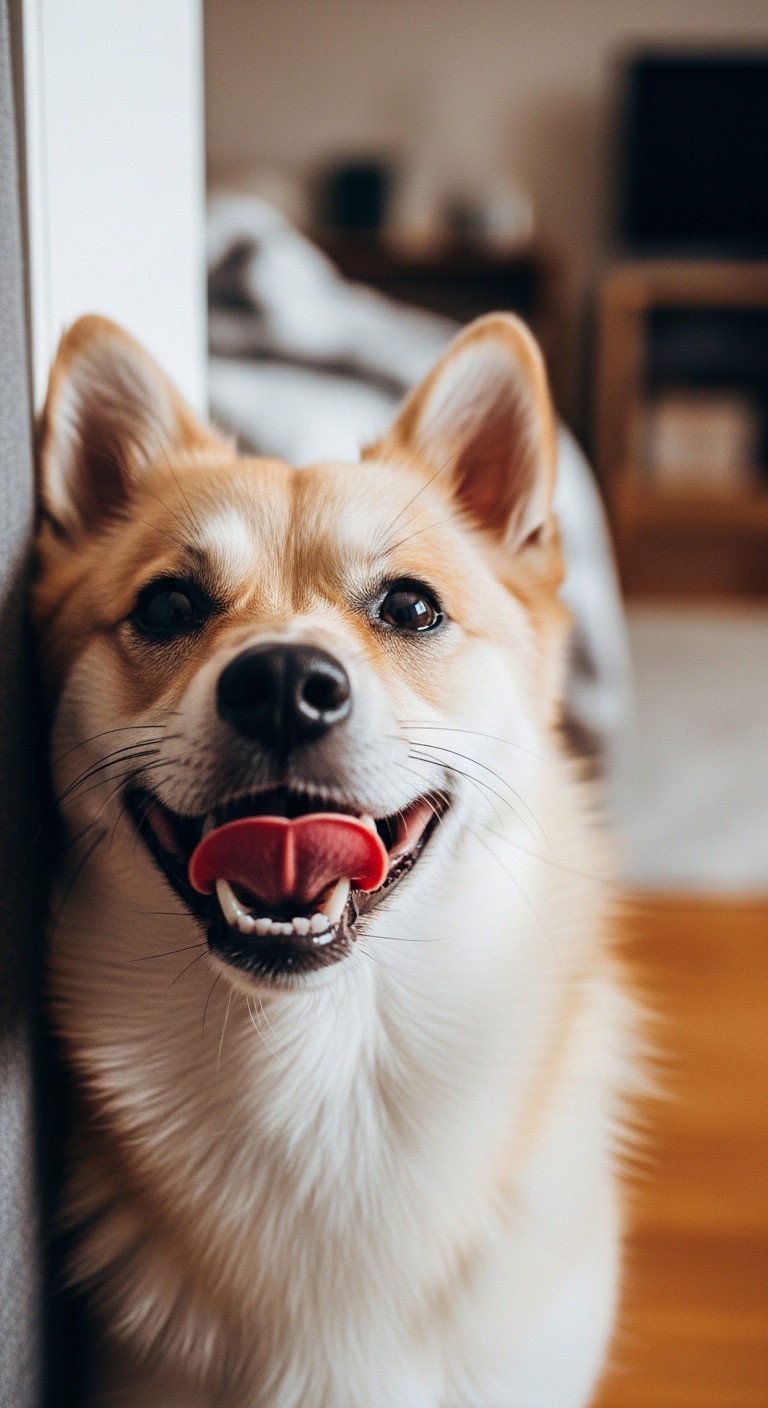
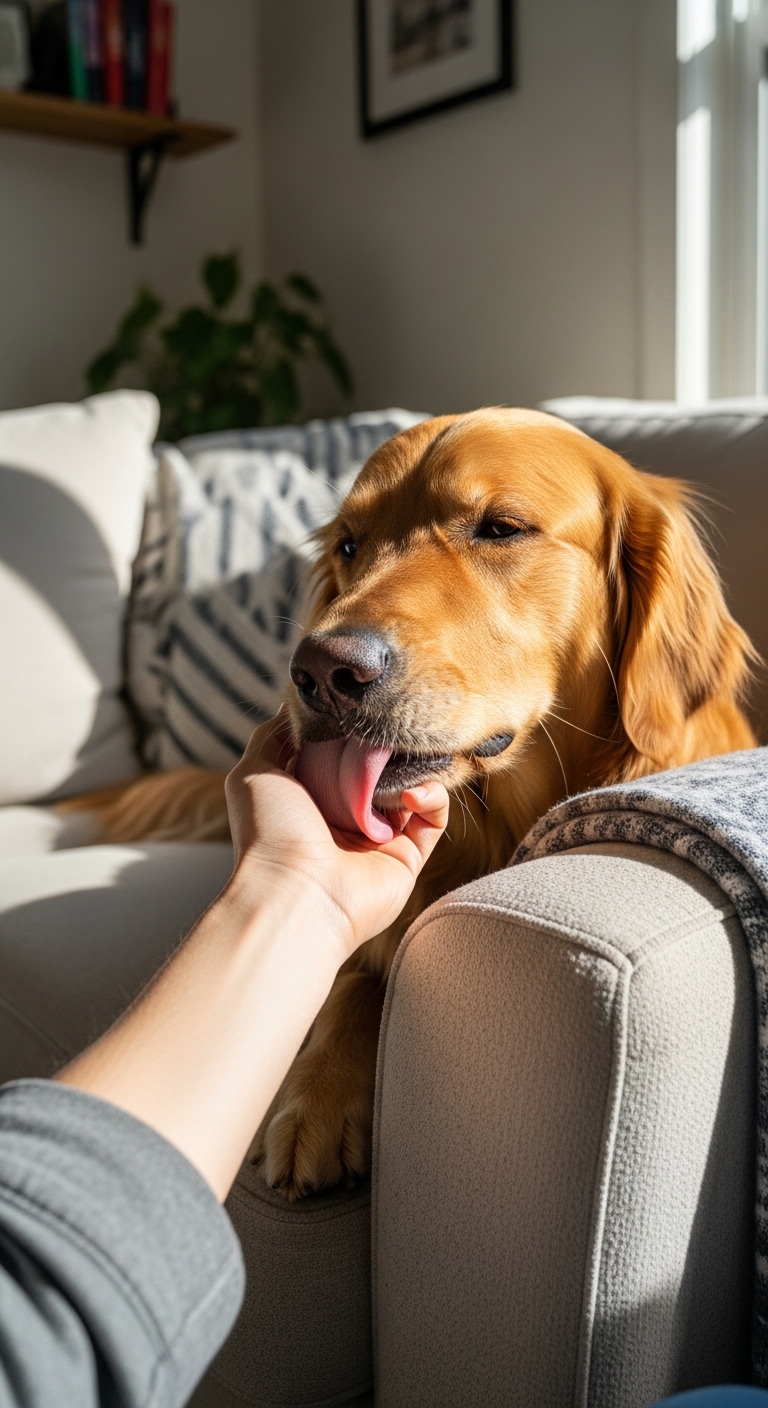
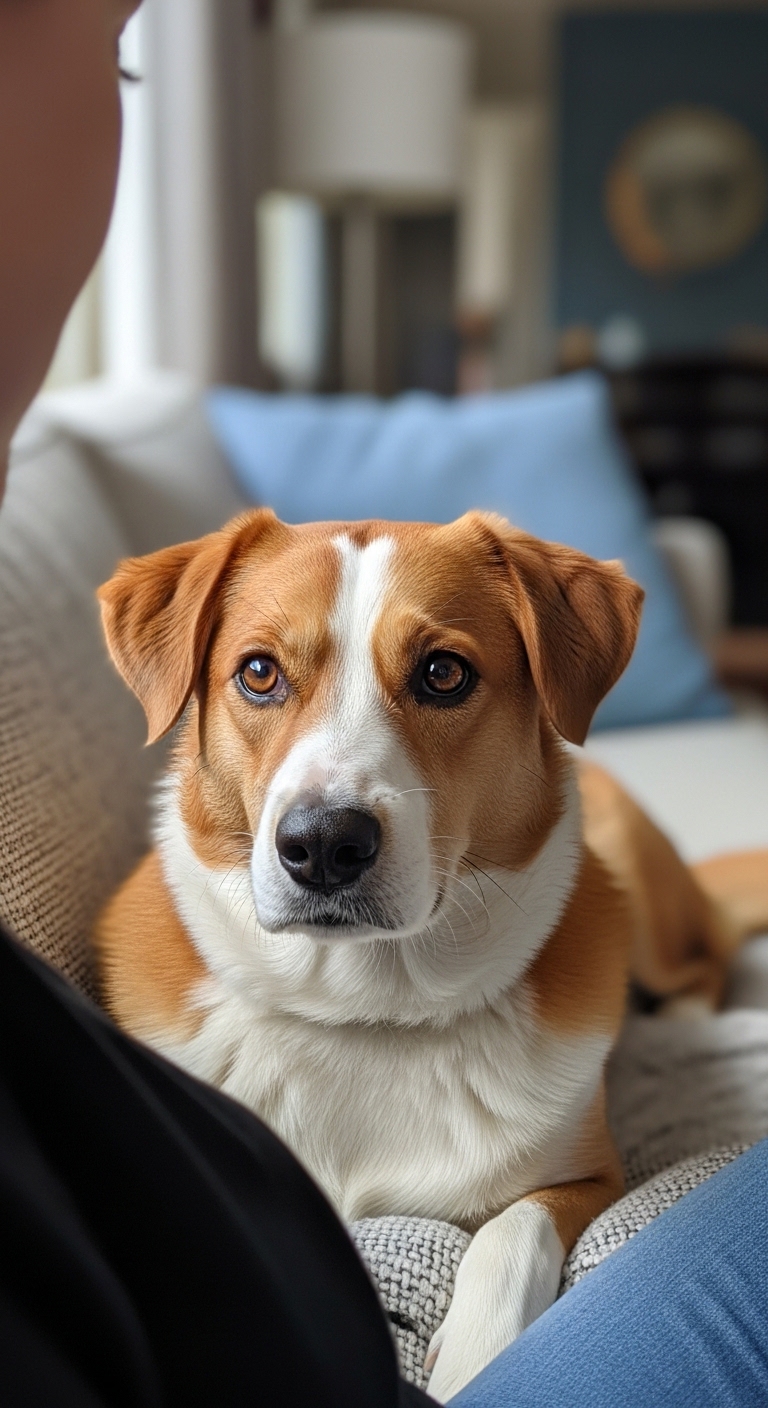
How to train a dog isn’t just about teaching tricks: it’s about building a bond that makes daily life smoother for both of you. Whether you’re dealing with a new puppy or an older dog learning new habits, training shapes how they respond to commands, handle stress, and interact with the world around them. A well-trained dog isn’t just easier to live with: they’re safer, happier, and more confident in unfamiliar situations.
I still remember the first time my rescue dog, Max, learned to sit before crossing the street. That small moment changed how I saw his potential: not just as a pet, but as a partner in our routines.
Key Things to Understand
- Consistency is everything in dog training: Using the same commands and rewards every time helps your dog learn faster and avoids confusion.
- Positive reinforcement works better than punishment: Rewarding good behavior with treats, praise, or play encourages your dog to repeat it, while scolding can make them fearful or anxious.
- Short, frequent training sessions are more effective than long, exhausting ones: Dogs have short attention spans, so 5 to 10 minutes at a time is plenty.
- Body language matters as much as verbal commands: Your posture, tone, and even facial expressions tell your dog a lot about your expectations.
- Patience is key: Some dogs learn quickly, while others need more time. Progress isn’t always linear, and setbacks are normal.
What to Look For
Watch for signs that your dog is engaged and interested in training, like perking up their ears, making eye contact, or wagging their tail. These cues mean they’re focused and ready to learn. If they start yawning, licking their lips, or turning away, they might be tired or overstimulated: take a break and try again later.
Notice how your dog responds to different rewards. Some dogs go wild for treats, while others prefer a favorite toy or even just verbal praise. The right reward makes training feel like a game rather than a chore.
Pay attention to your own energy during sessions. Dogs pick up on your mood, so if you’re frustrated or tense, they’ll mirror that. Stay calm and upbeat to keep the mood light and productive.
Look for opportunities to practice commands in real-life situations, like asking your dog to sit before meals or stay at the door before going outside. These moments reinforce training in a practical way.
I once tried training my dog in the kitchen while dinner was cooking, and he was more interested in the smell of food than the treats in my hand. Moving outside where it was quieter made all the difference.
Daily Care Habits
Incorporate training into your dog’s daily routine to reinforce good behavior naturally. For example, practice “sit” before meals or “down” before walks to create consistency. Use mealtime as a training opportunity by asking your dog to perform a simple command before placing their bowl down. This teaches patience and reinforces your role as the leader.
Choosing the Right Product
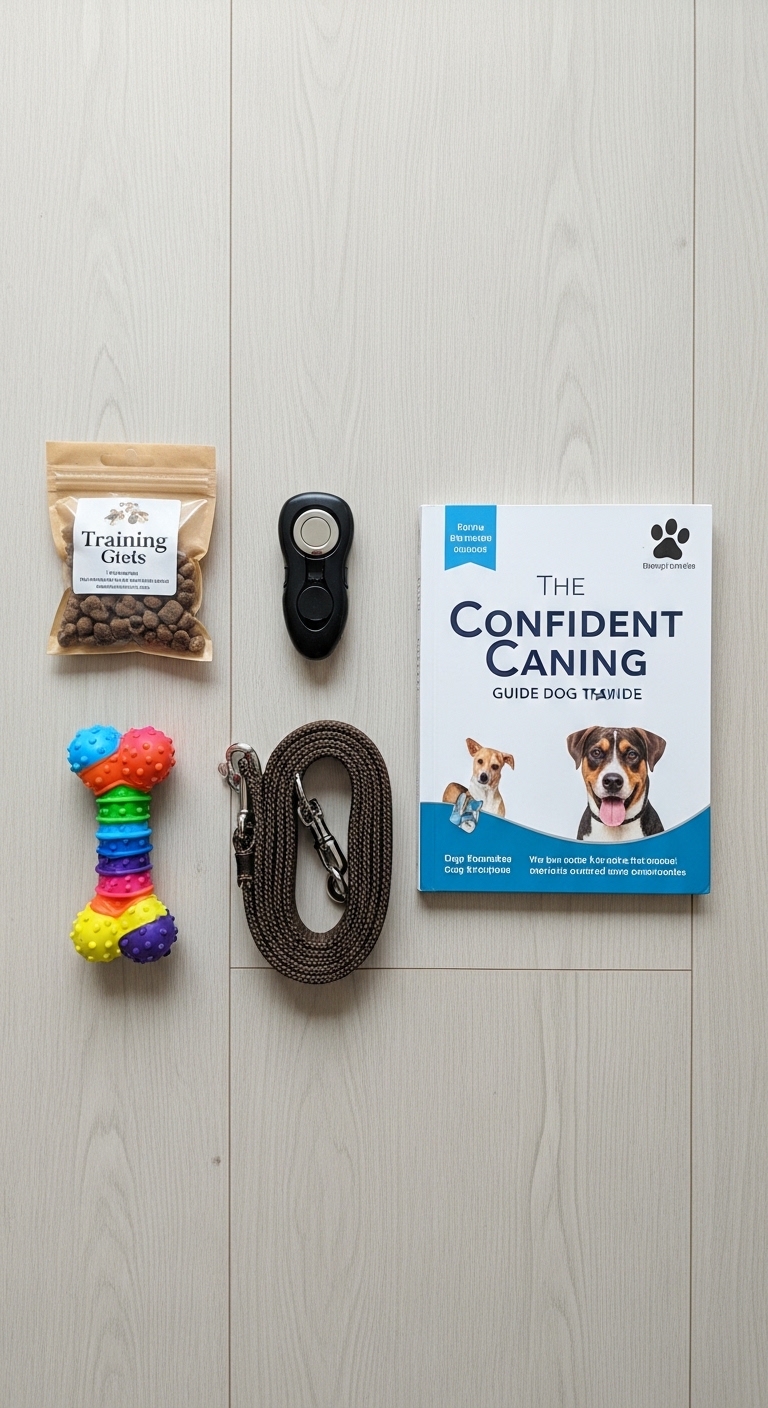
Not all training treats are created equal. Soft, smelly treats work best for quick rewards, while larger chews can be saved for longer training sessions or as a distraction tool. A well-fitted harness makes leash training easier by giving you better control without straining your dog’s neck. Avoid retractable leashes for training: they encourage pulling and reduce your ability to guide your dog effectively.
Safety and Comfort
Always train in a distraction-free environment at first, especially for basic commands. A quiet room or fenced yard helps your dog focus without outside temptations. Watch for signs of stress, like excessive panting, whining, or avoiding eye contact. If your dog seems overwhelmed, take a break and try again later with a shorter session.
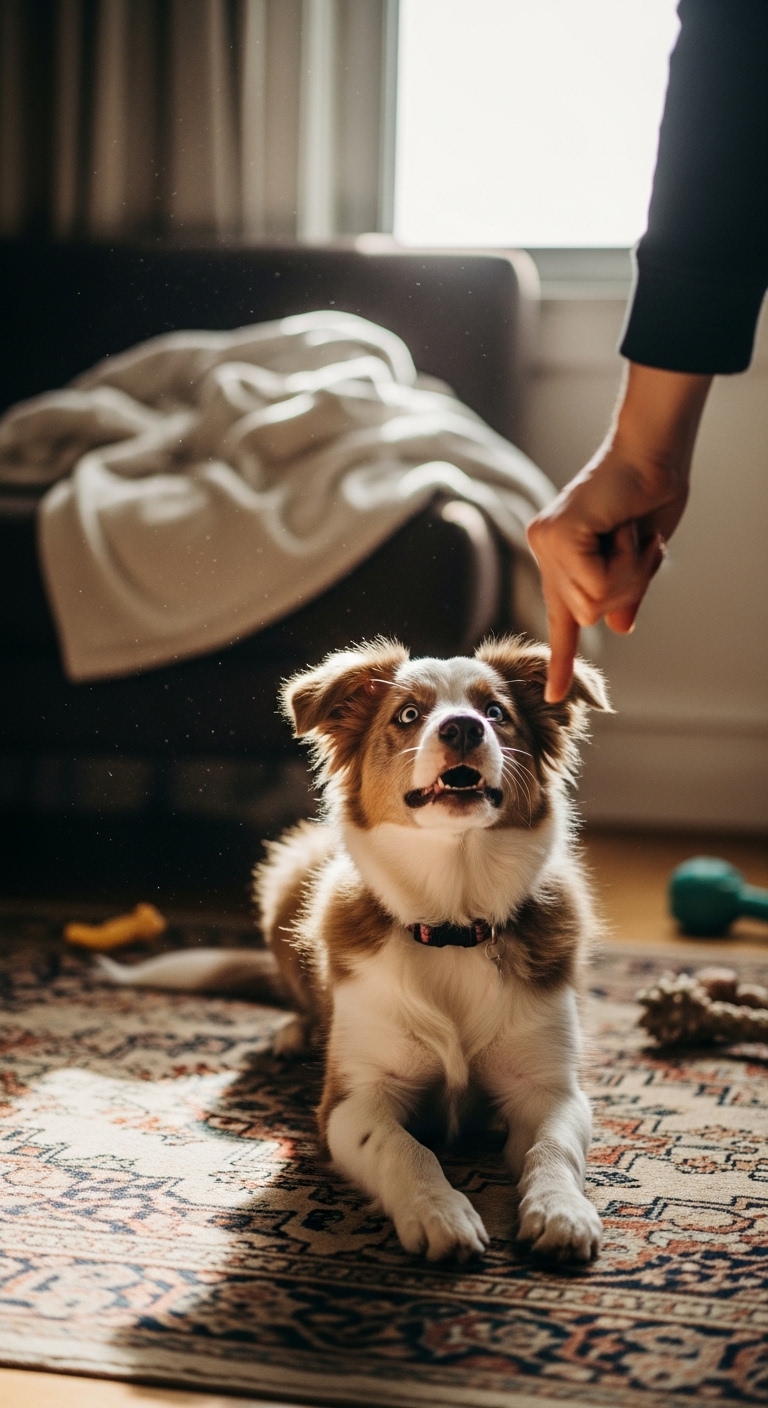
Training a dog is less about perfection and more about progress. The goal isn’t to create a robot that obeys perfectly: it’s to raise a dog that listens because they want to, not because they’re afraid to.
Frequently Asked Questions
- → What is positive reinforcement training?
Positive reinforcement training rewards desired behaviors to encourage repetition. This could include treats, praise, or play when your dog follows a command correctly.
- → What treats work best for training?
Small, soft, and smelly treats work best as they’re easy to consume quickly. Choose something your dog loves but doesn’t get too often outside training sessions.
- → How long should training sessions be?
Keep sessions short (5-10 minutes) to prevent your dog from getting bored or frustrated. Multiple short sessions daily are more effective than one long session.
- → Can I use positive reinforcement for older dogs?
Absolutely! Positive reinforcement works for dogs of all ages. Older dogs may need more patience but will respond well to consistent, reward-based training.
- → What if my dog doesn’t respond to treats?
Try using praise, petting, or playtime as rewards. Some dogs prefer toys or extra attention over food. Experiment to find what motivates your dog most.
- → How do I transition from treats to praise?
Gradually reduce treat frequency while increasing verbal praise and affection. Reward intermittently once your dog reliably follows commands without treats.