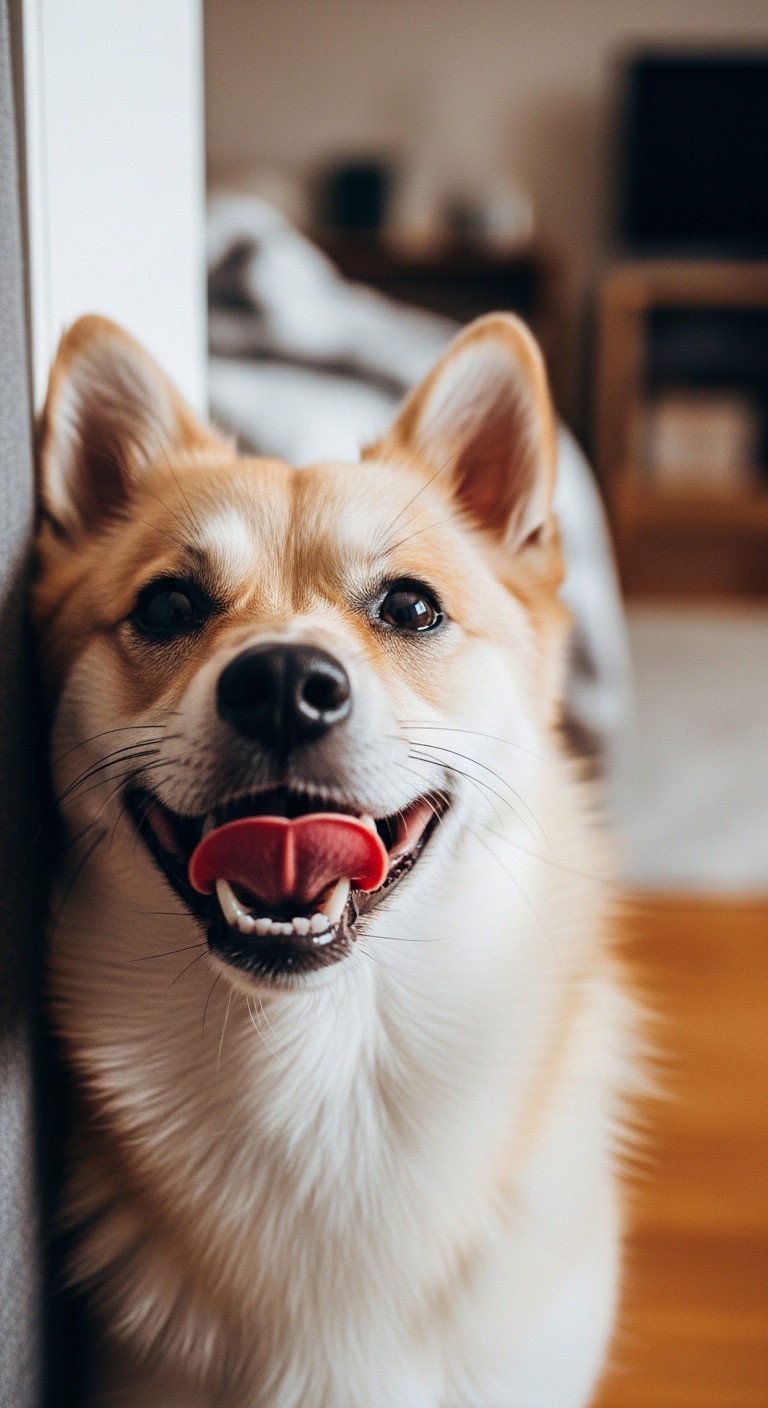
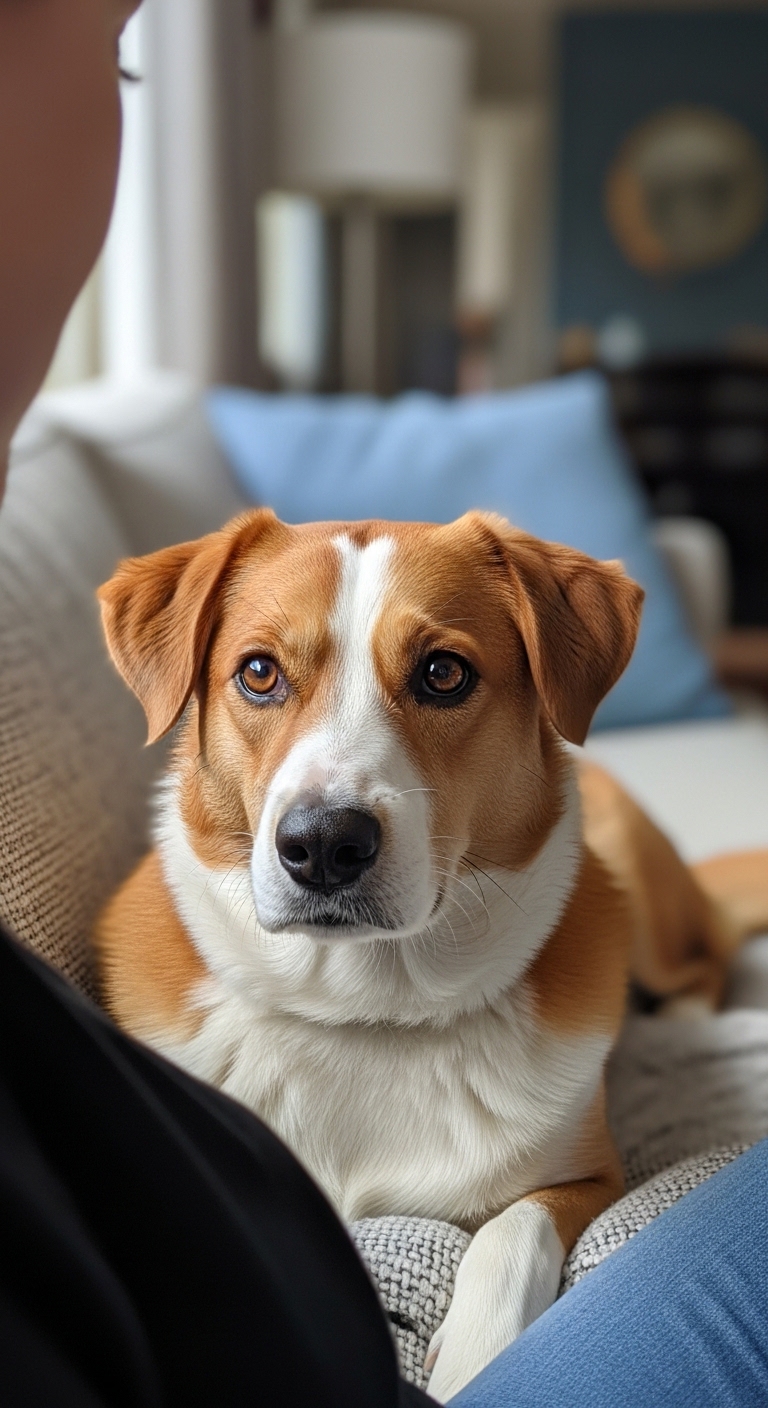
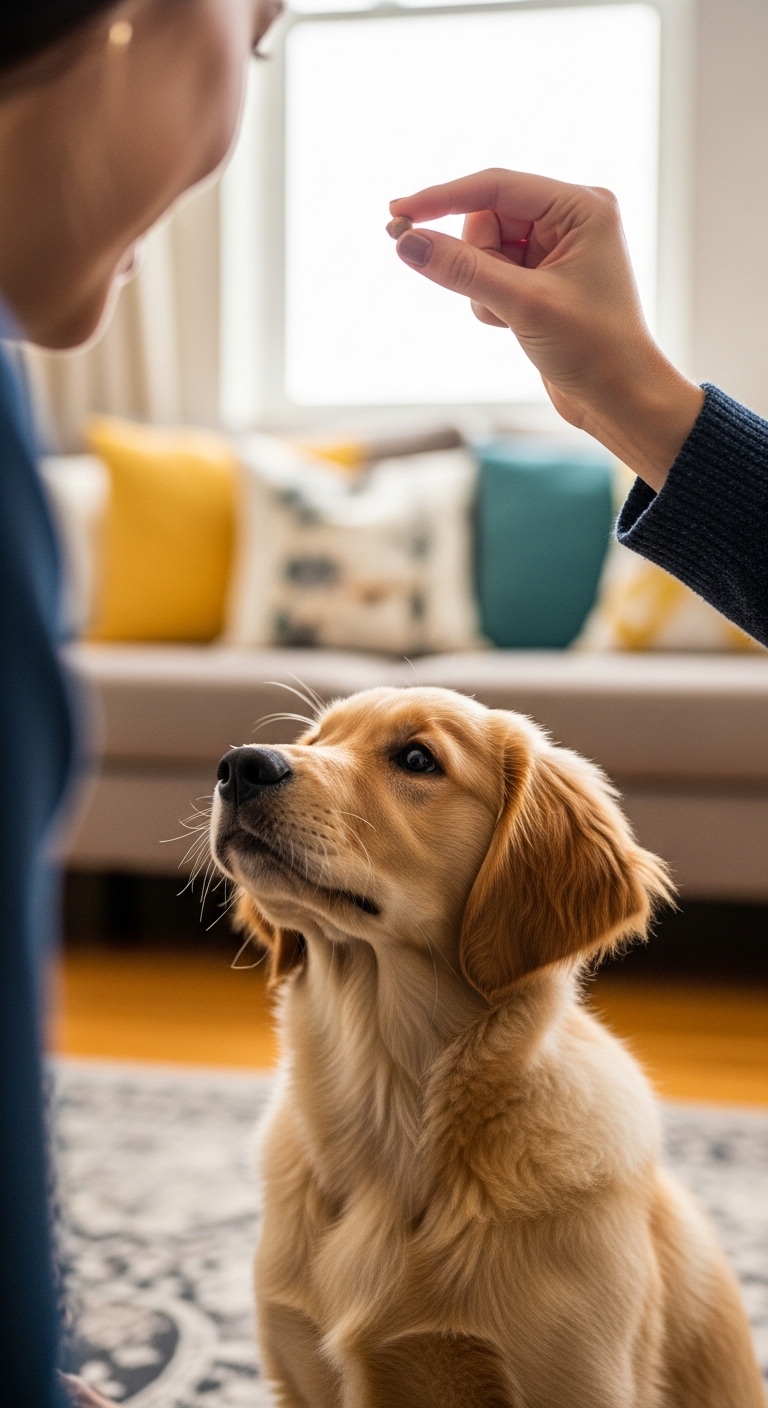
Dogs lick for all kinds of reasons, and most of them are harmless. It’s one of the first ways puppies interact with their mothers and siblings, so it’s deeply rooted in their behavior. For pet owners, understanding why your dog licks can help you respond appropriately, whether it’s affection, curiosity, or something more urgent. It’s not just about the act itself but what it might be telling you about their needs or mood.
I’ve noticed that dogs often lick more when they’re bored or seeking attention, which is their way of saying “play with me” or “I’m here.” It’s easy to dismiss it as just a quirky habit, but it’s really their way of communicating.
Key Things to Understand
- Affection and bonding: Dogs lick to show affection and seek connection, much like a human hug or smile. This behavior is instinctive and reinforces social bonds within their pack, which includes you.
- Anxiety or medical issues: Excessive licking could point to anxiety, boredom, or a medical issue like nausea or allergies. It’s worth observing when and where it happens.
- Curiosity or teething: Some dogs lick objects or surfaces out of curiosity or because they’re teething, especially puppies. This is usually normal but can become a problem if it turns into obsessive behavior.
- Submission or respect: Licking can also be a sign of submission or respect, particularly in social settings with other dogs or people. It’s their way of showing they’re not a threat.
- Targeted licking: Pay attention to where your dog licks most often. Paws, faces, or wounds might indicate specific needs like cleaning, soothing, or seeking attention.
What to Look For
Watch for the context of the licking. If it happens when you’re petting them or after meals, it’s likely affection or a request for more. If it’s constant and directed at one spot, like their paw or a sore area, it could mean discomfort. Notice whether your dog licks more when you’re stressed or upset: some dogs do this to comfort themselves or you. Also, check if the licking is accompanied by other behaviors like pacing, whining, or changes in appetite, which might signal something deeper.
I’ve seen dogs lick their owners’ faces after a long day apart, almost like they’re saying, “I missed you.” It’s a small gesture, but it speaks volumes about their attachment. Sometimes, though, that same licking can become too much, especially if it’s directed at wounds or sensitive skin. That’s when it’s important to redirect their attention gently.
When Licking Becomes a Habit
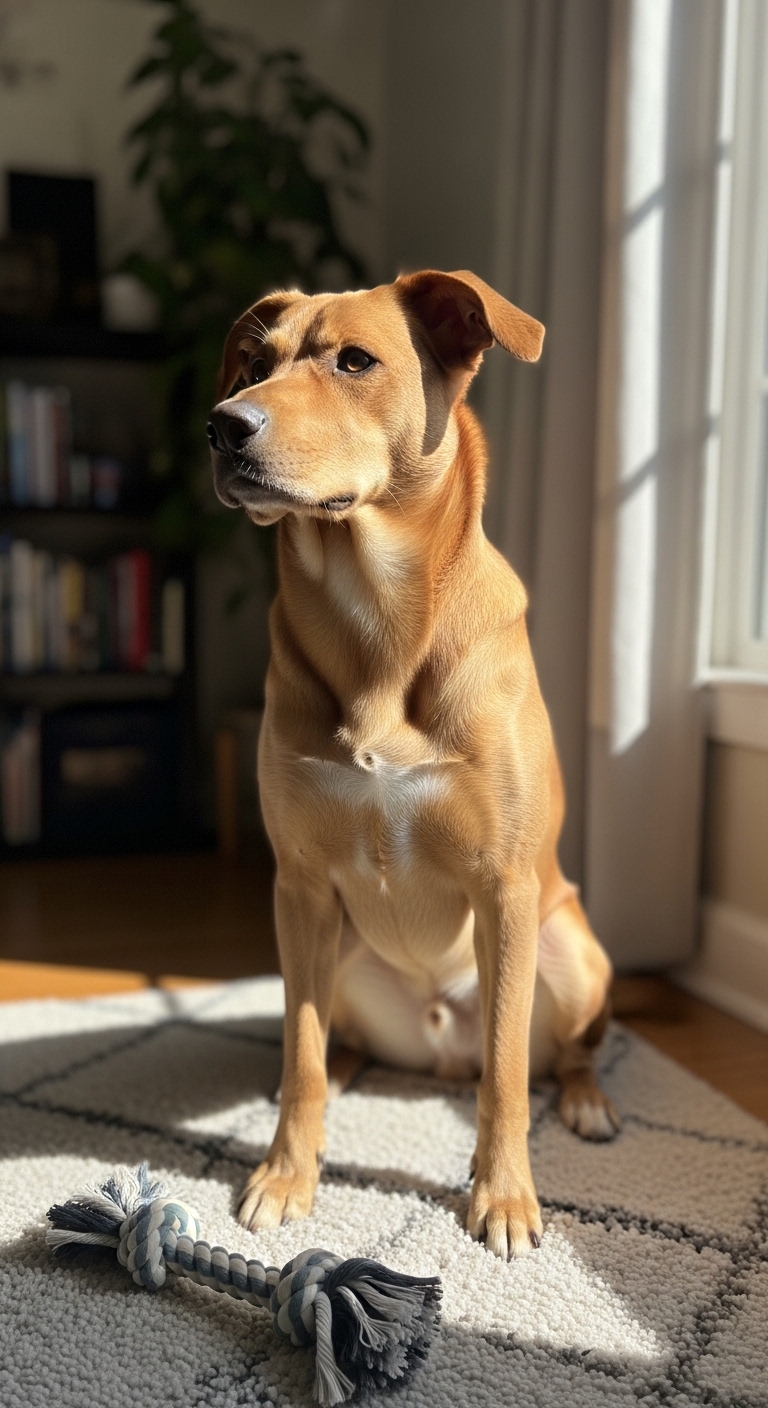
If your dog licks excessively, it might be a sign they need more mental or physical stimulation. Try introducing puzzle toys or longer walks to keep them engaged. Some dogs lick out of habit, almost like a nervous tic, which can be broken with consistent training and positive reinforcement.
Training Your Dog to Lick Less
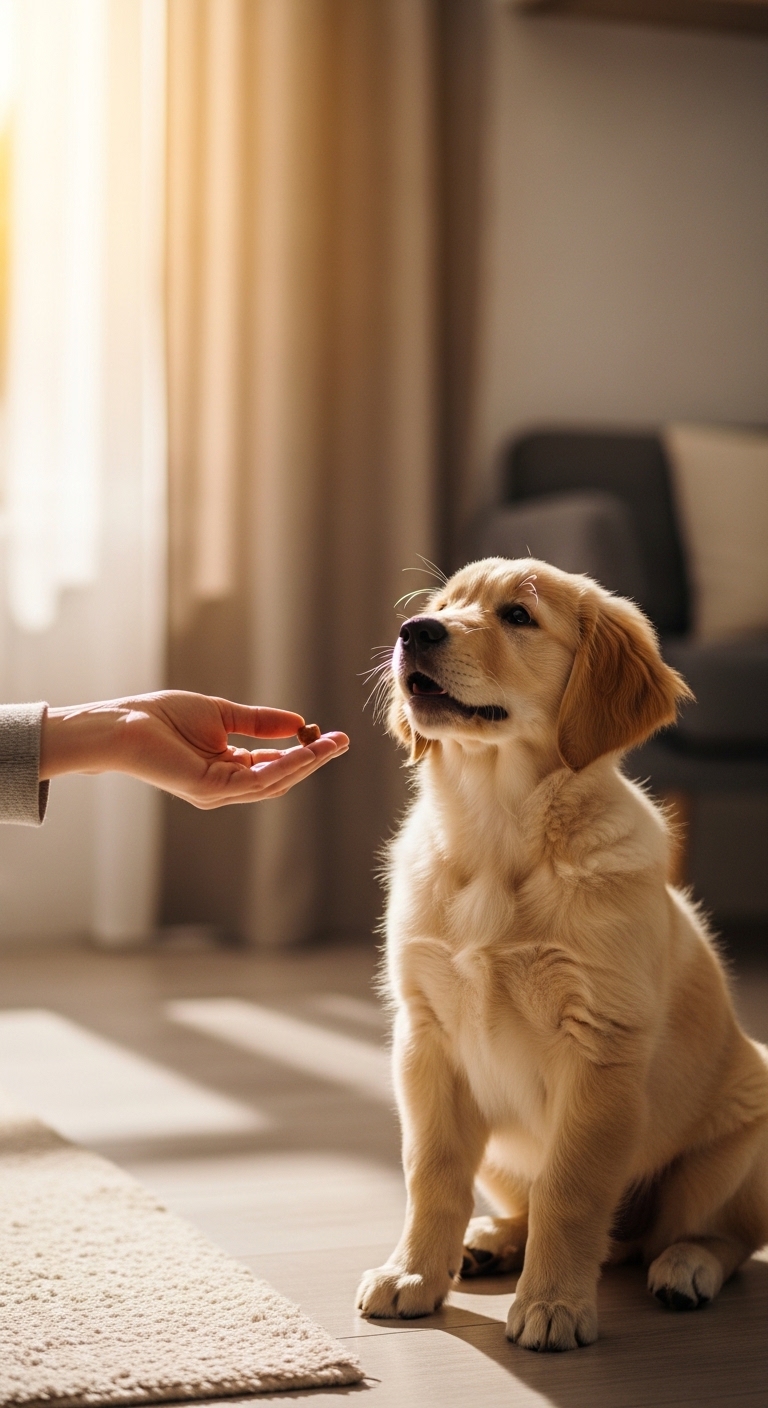
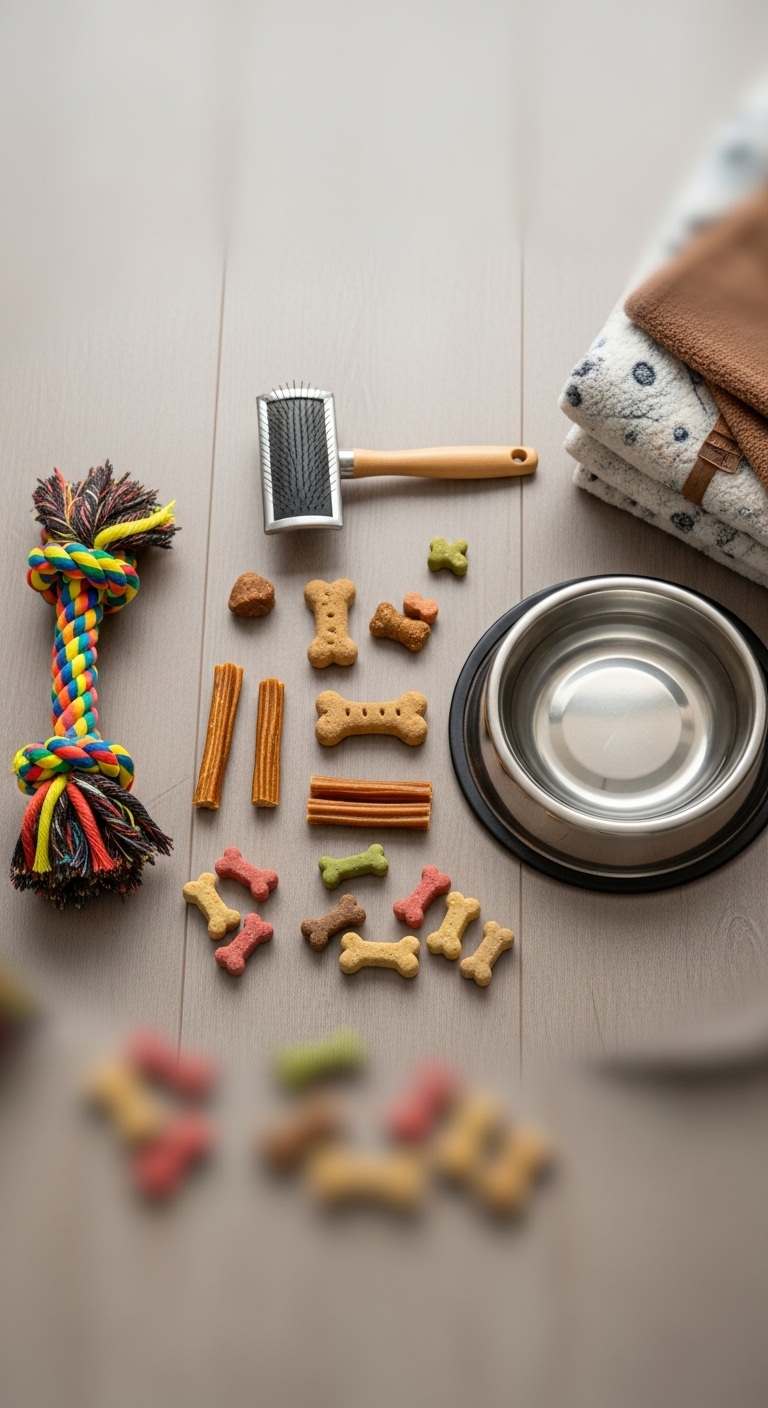
Redirecting licking behavior starts with understanding the cause. If your dog licks for attention, try ignoring the behavior and rewarding calm moments instead. For puppies, teething toys can help satisfy their urge to lick without turning to your hands or furniture.
Dogs and Human Skin Sensitivity
Some people have sensitive skin that reacts to dog saliva, which can cause irritation or even infections in rare cases. If you notice redness or discomfort after being licked, wash the area thoroughly and monitor it closely. It’s a good reminder to set boundaries for both your comfort and your dog’s well-being.

Understanding why your dog licks you helps deepen your connection and ensures their well-being. Pay attention to the details—they’re often trying to tell you something important.
Frequently Asked Questions
- → Why does my dog lick me constantly?
Constant licking can be a sign of affection, a request for attention, or even boredom. Some dogs also lick due to anxiety or compulsive behaviors. If the licking seems excessive or compulsive, it may be worth discussing with a veterinarian to rule out medical issues.
- → Is dog licking a sign of love?
Yes, licking is often a way for dogs to show affection and bond with their owners. It’s a natural behavior that stems from puppyhood, where they lick their mother for comfort and nourishment. Your dog may lick you to express love and trust.
- → Can dog licking indicate health problems?
In some cases, yes. Excessive licking could signal nausea, skin allergies, or even pain. If your dog is licking a specific area repeatedly, check for wounds, rashes, or irritations. Sudden changes in licking behavior should prompt a vet visit.
- → Why does my dog lick my face?
Face licking is a common way dogs show affection and seek attention. It’s also a behavior they learn from their mothers as puppies. However, if your dog is overly enthusiastic, it might be a sign they want food or are excited to see you.
- → How can I stop my dog from licking me too much?
Redirect their attention with a toy or treat, and reward calm behavior. If the licking is compulsive, consult a professional trainer or vet for guidance. Avoid punishing them, as it may increase anxiety and worsen the behavior.
- → Does dog licking mean they’re hungry?
Sometimes! Dogs may lick you or objects if they associate it with food. If your dog licks you after meal times or while you’re eating, they might be hoping for a snack. Training them to wait for their own food can help curb this behavior.