Staring is one of the most common yet puzzling behaviors dogs show toward their humans. It’s easy to wonder if your pup is judging you, waiting for a treat, or just trying to figure out what you’re thinking. The truth is, dog staring is a form of communication, and understanding it can deepen your bond and help you meet their needs more effectively. Whether it’s a soft gaze during cuddle time or an intense lock of eyes when you’re eating, those moments carry meaning that can shape your daily interactions.
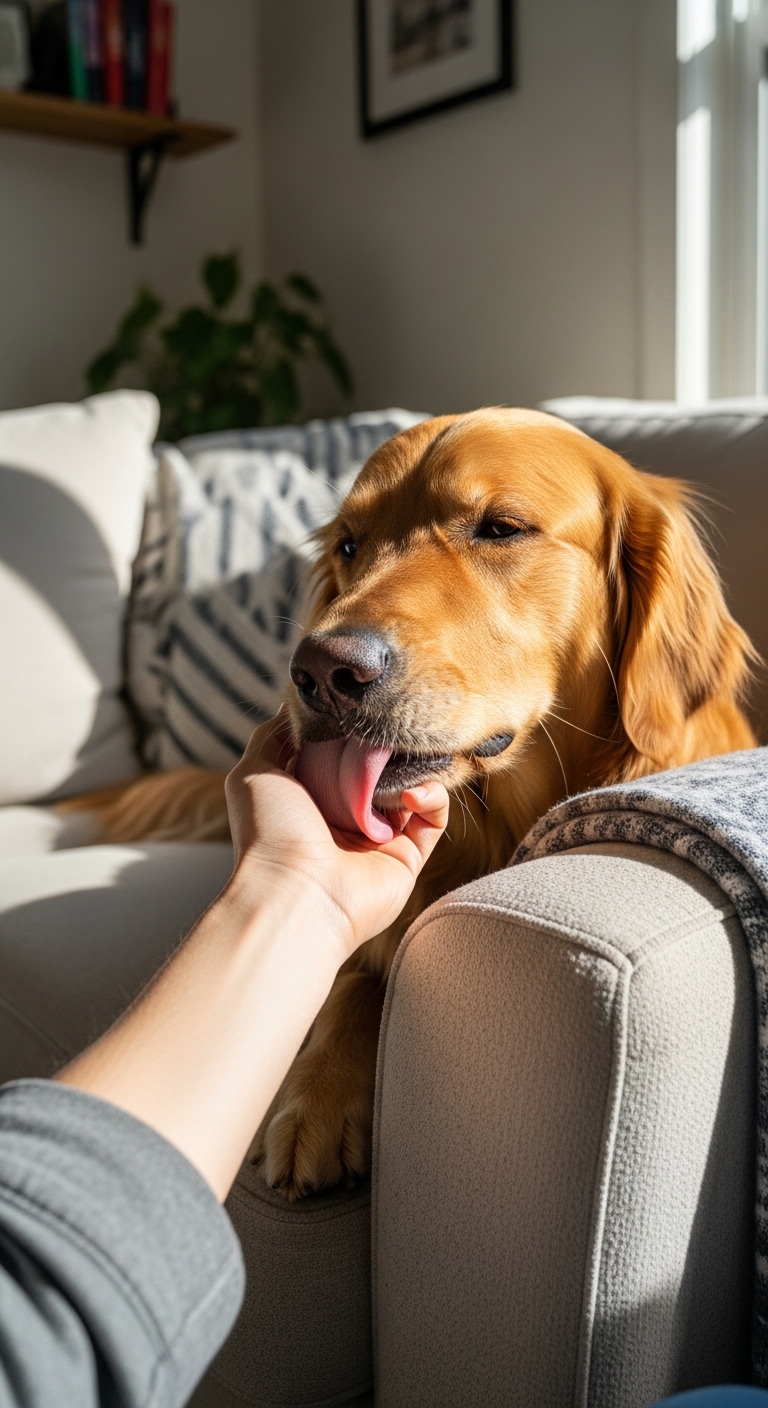
I’ve noticed that when my own dog gives me that slow blink, it’s usually her way of saying she trusts me completely. It’s like she’s telling me, “I feel safe with you,” and that kind of insight changes how I respond to her throughout the day.
Key Things to Understand
- Dogs stare to communicate and seek connection, not just to annoy you: A soft, relaxed gaze often means your dog feels calm and content.
- Intense or prolonged staring can signal anticipation: Especially around food or playtime.
- Some dogs use staring as a calming signal: To avoid conflict or show deference.
- Staring combined with other body language like a wagging tail or relaxed ears: Usually indicates positive intent.
What to Look For
Pay attention to the context of the stare. Is your dog watching you while you prepare their dinner? That’s likely hunger-driven. Is the gaze paired with a relaxed body and gentle tail wags? That’s probably affection. Notice how your dog’s eyes soften when you’re sitting together versus how they might widen when they hear the treat bag rustle. These subtle cues help you decode their message without guessing.
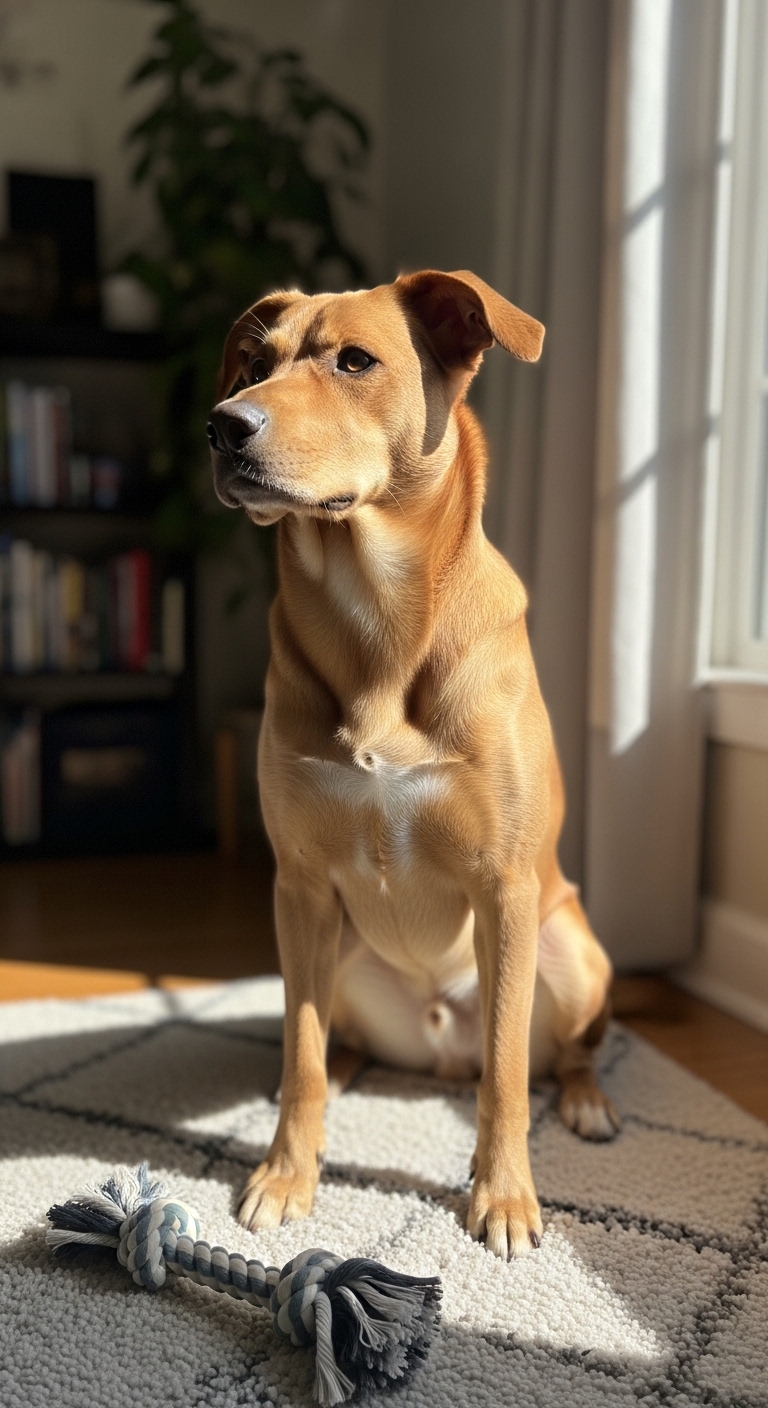
Another thing to watch for is the difference between a direct stare and an averted one. Dogs often look away as a sign of respect or to avoid confrontation, especially with humans they see as leaders. If your dog holds eye contact too long without blinking, they might be testing boundaries or seeking guidance. Over time, you’ll start to recognize patterns in their gaze that match their mood and needs.
I once thought my dog was staring at me because she wanted food, but after paying closer attention, I realized she was actually checking in to see if I was okay when I was feeling down. That shift in understanding changed how I reacted to her gaze entirely. It’s a reminder that staring isn’t always about a request: sometimes it’s about connection.
Why dogs stare when you eat
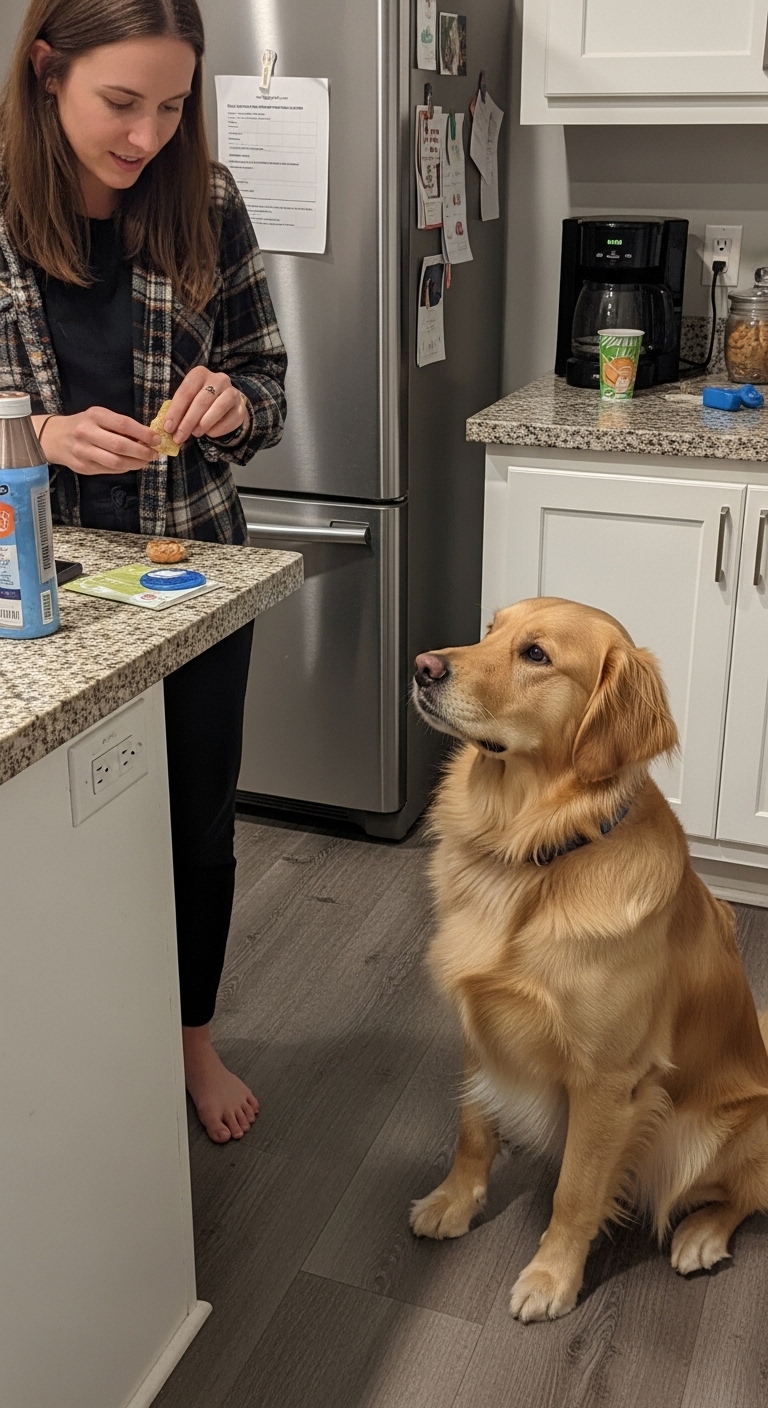
Food-related staring is one of the most common and obvious reasons dogs lock eyes with you. They’ve learned that human food is often more exciting than their own meals, and their gaze becomes a polite (or not-so-polite) way of asking for a bite. While it’s tempting to give in, especially with those big puppy eyes, it’s important to set boundaries early. Feeding from the table can lead to begging habits and even health issues like obesity. Instead, try redirecting their attention to a chew toy or their own food bowl when you’re eating.
How staring reflects your dog’s emotional state
Your dog’s gaze can be a window into their feelings. A relaxed, soft-eyed stare usually means they’re content and at ease. On the other hand, wide eyes and a stiff body might indicate stress or overstimulation. If your dog stares at you during a walk when they hear a loud noise, they could be looking to you for guidance on whether to be scared or brave. Recognizing these emotional signals helps you respond in a way that reassures them and keeps them calm.
Training your dog to break the staring habit
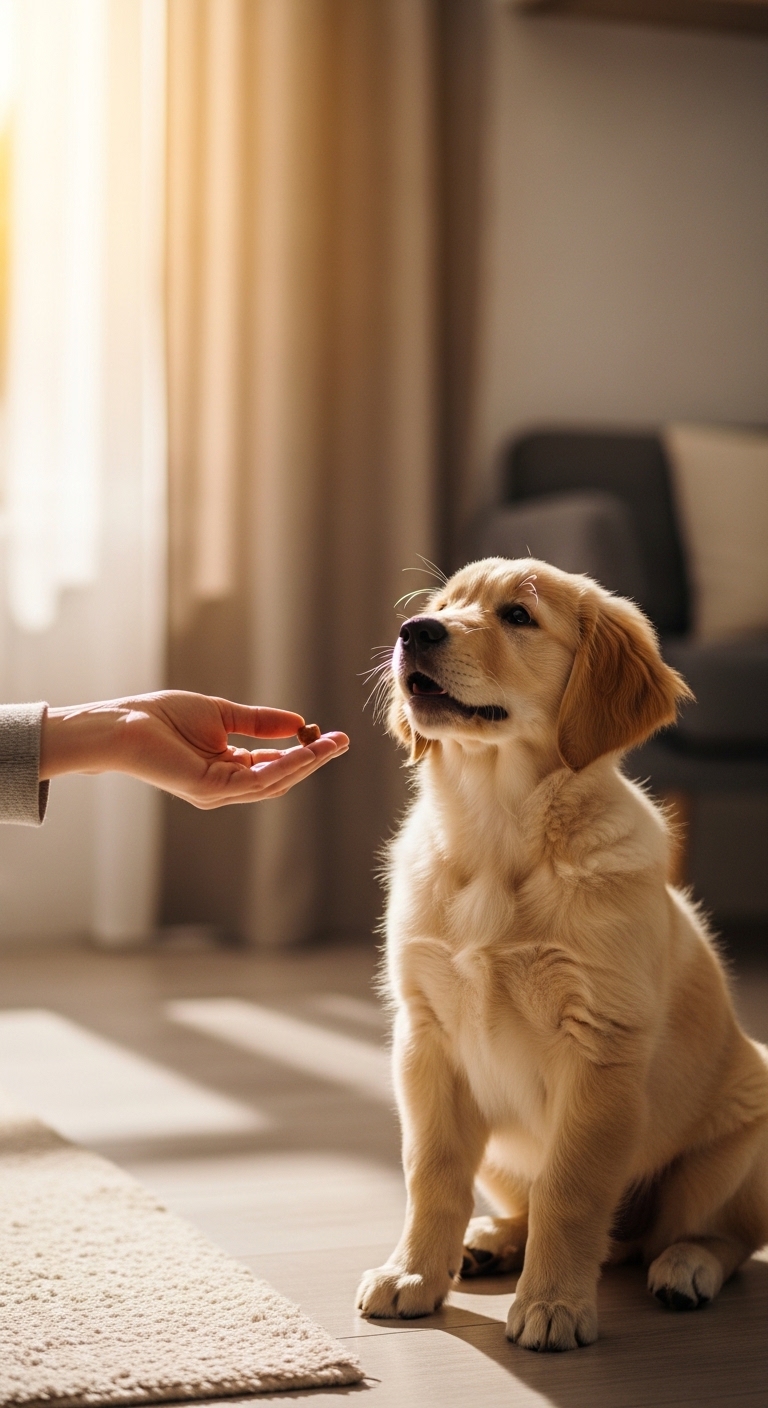
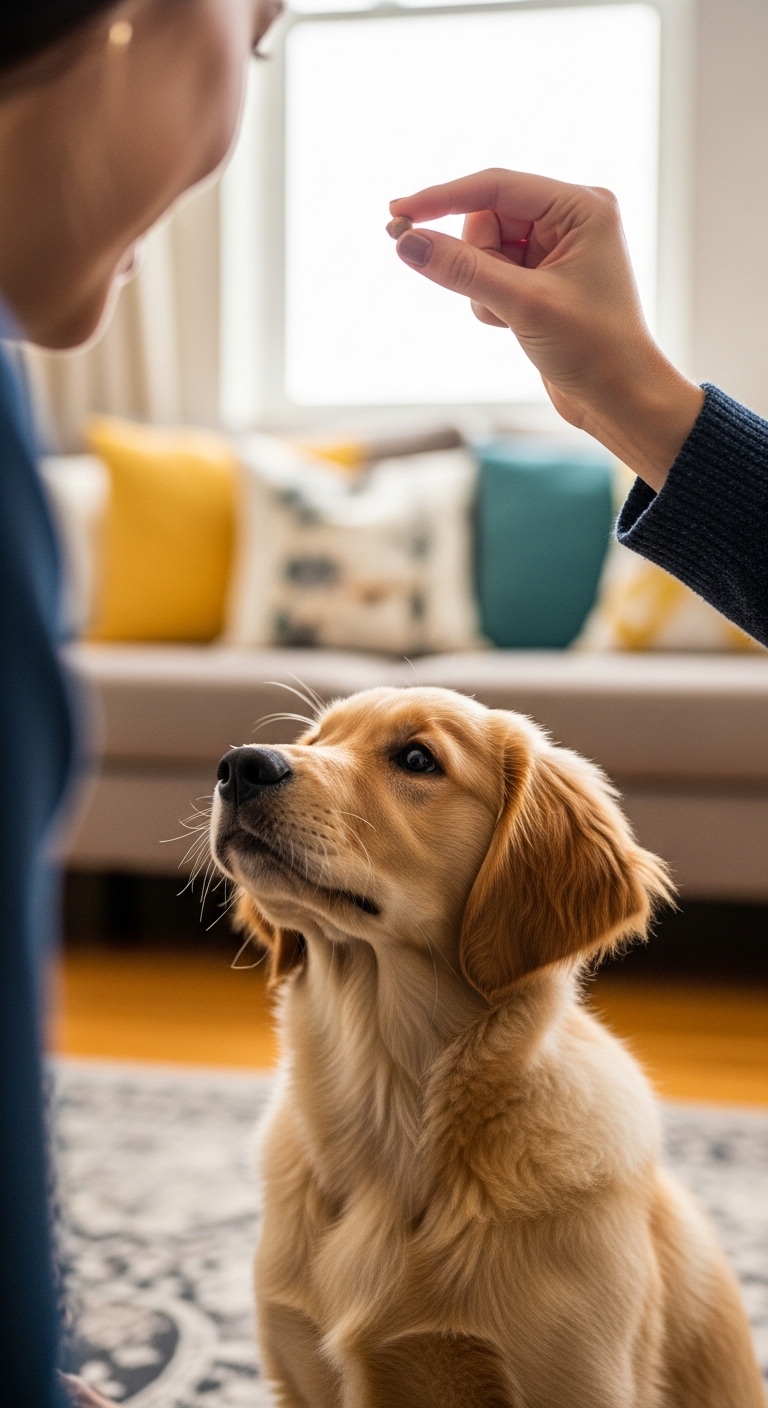
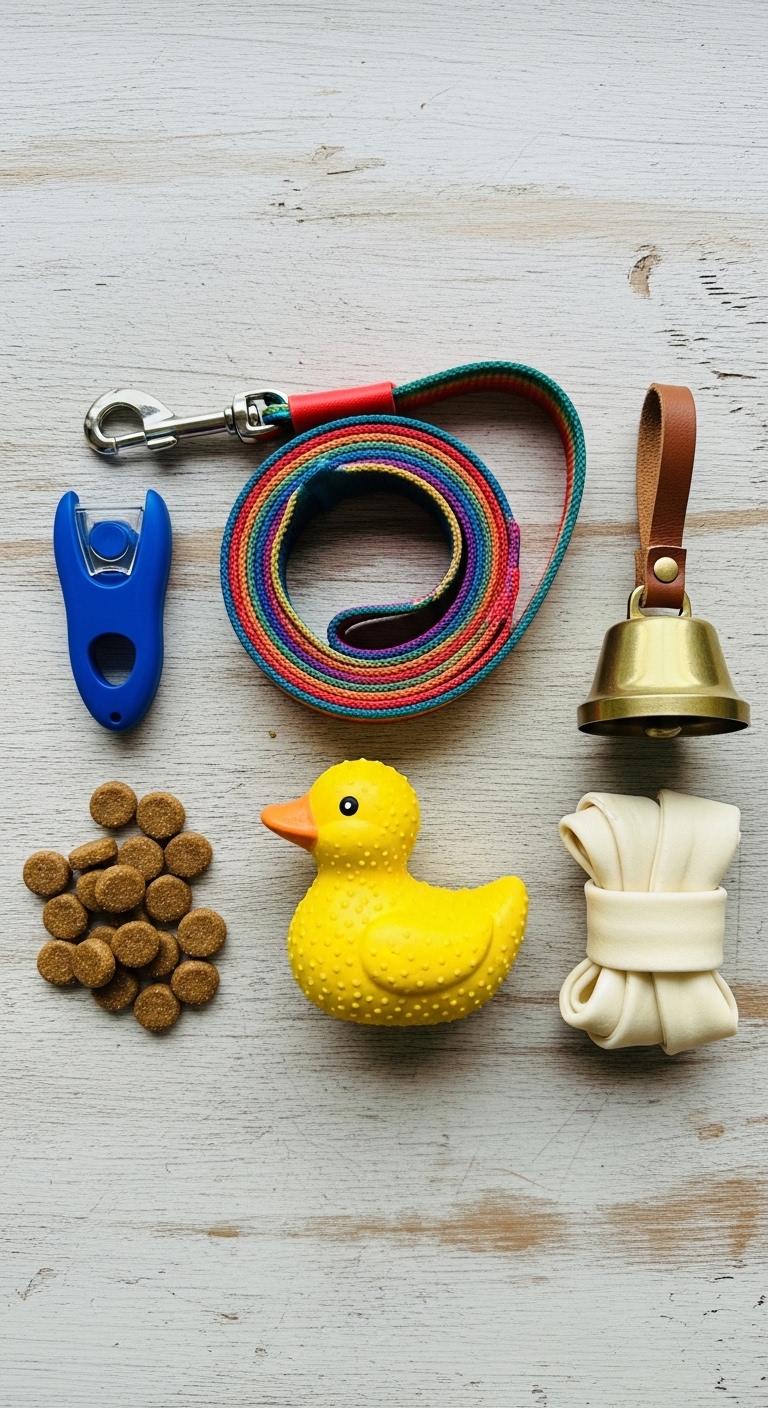
If your dog’s staring feels overwhelming or disruptive, you can gently train them to look away on command. Start by saying “look” or “watch me” when they’re calm, then reward them with a treat when they shift their gaze to you. Over time, they’ll learn that breaking eye contact leads to positive outcomes. This isn’t about suppressing their communication but rather guiding it in a way that works for both of you. Consistency is key: practice in short sessions and always end on a positive note.
When staring signals a deeper issue
While most staring is harmless, sudden changes in your dog’s gaze could signal something more serious. If your usually affectionate dog starts staring blankly, seems disoriented, or ignores you completely, it might be time for a vet visit. Conditions like vision problems, neurological issues, or even pain can alter how your dog interacts with you. Trust your instincts: if something feels off, it’s better to check rather than assume it’s just a quirky habit.
Understanding your dog’s stare transforms it from a mystery into a meaningful part of your relationship. Paying attention to these silent signals strengthens trust and communication.
Frequently Asked Questions
- → Why does my dog stare at me when I eat?
Your dog may associate your eating time with receiving food or treats. They learn that staring can prompt you to share, even if unintentionally. Consistent reinforcement of this behavior can make it a habit.
- → Is it normal for my dog to stare at me while I sleep?
Yes, many dogs feel protective or bonded to their owners. A calm, gentle stare while you sleep often reflects trust and affection. However, sudden or intense staring could indicate discomfort or a need to go outside.
- → Can staring be a sign of anxiety in dogs?
Yes, if your dog avoids eye contact or stares with a tense body, it may signal stress. Look for other signs like yawning, lip licking, or tucked tails. Identifying triggers can help reduce their anxiety.
- → How can I stop my dog from staring excessively?
Redirect their attention with commands like 'sit' or 'look' and reward calm behavior. Avoid giving in to demands, as this reinforces the staring. Consistency in training helps them learn alternative ways to communicate.
- → Does staring mean my dog loves me?
Often, yes! Dogs use eye contact to bond with their owners. A soft, relaxed gaze paired with wagging tails or leaning into you usually indicates affection. This behavior is linked to the 'love hormone' oxytocin in both humans and dogs.
- → Should I be concerned if my dog stares at walls?
Occasional wall-staring is normal, but frequent or obsessive behavior could signal vision problems, cognitive dysfunction, or even neurological issues. A vet checkup is wise if it’s accompanied by other unusual signs.