Do dogs smile? It’s a question that pops up often among pet owners, especially when their furry friends seem to light up at the sight of them. While dogs don’t smile the way humans do, their expressions and body language can mimic a smile, making it easy to wonder if they’re truly happy or just reacting to our emotions. Understanding these subtle cues can deepen the bond between you and your pet, helping you respond better to their needs and moods.
I’ve noticed that dogs often mirror our emotions: if you’re smiling and relaxed, they’re more likely to respond with what looks like a smile of their own. It’s one of those little things that makes pet ownership so rewarding.
Key Things to Understand
- Dogs don’t smile like humans do: but their facial expressions can look similar when they’re relaxed or happy.
- A relaxed mouth, slightly open with a soft gaze: is often a sign of contentment in dogs.
- Ears that are in a natural position: (not pinned back or overly forward) usually indicate a calm state.
- Tail wagging alone doesn’t always mean happiness: it can also signal excitement, nervousness, or even aggression depending on the context.
- Dogs communicate through their whole body: not just their face, so observing their posture is key to understanding their mood.
What to Look For
When trying to figure out if your dog is "smiling," pay attention to their overall demeanor. A relaxed body, loose wagging tail, and a soft, open mouth are good signs they’re feeling comfortable. If their ears are perked up or slightly back, it often means they’re alert but not necessarily stressed. Watch how their eyes look too: soft, relaxed eyes usually mean they’re at ease, while wide or darting eyes might signal anxiety. Another thing to notice is how your dog reacts to different situations. If they seem to "smile" more when you’re happy or excited, it could be their way of bonding with you. On the other hand, if their expressions change when they hear loud noises or see strangers, it might be a sign they’re feeling uneasy.
I’ve seen dogs "smile" when they’re about to get a treat or when they’re playing, but it’s not the same as human smiling. It’s more about their overall mood and how they’re feeling in the moment. If your dog’s expression changes suddenly, it’s worth checking if something in their environment might be bothering them.
How Dogs Communicate Through Expressions
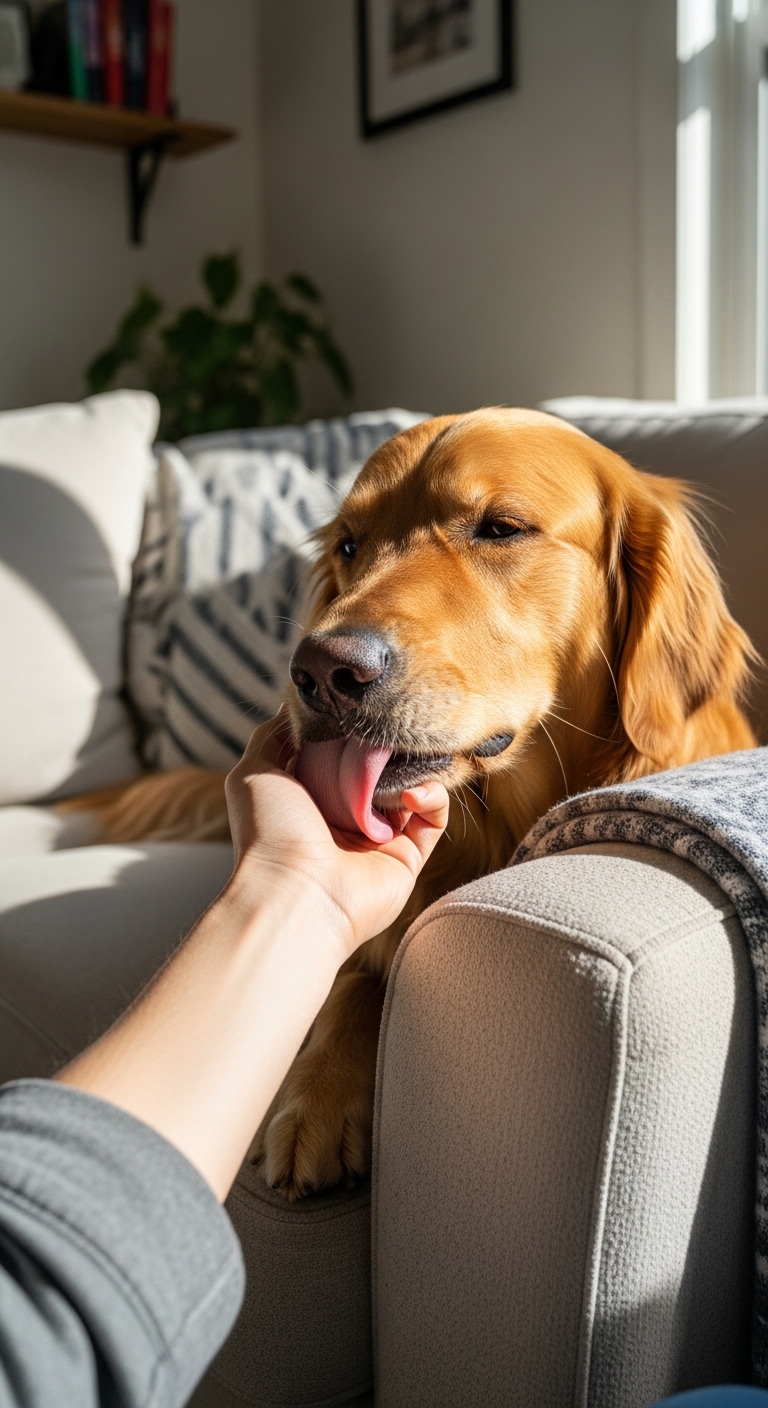
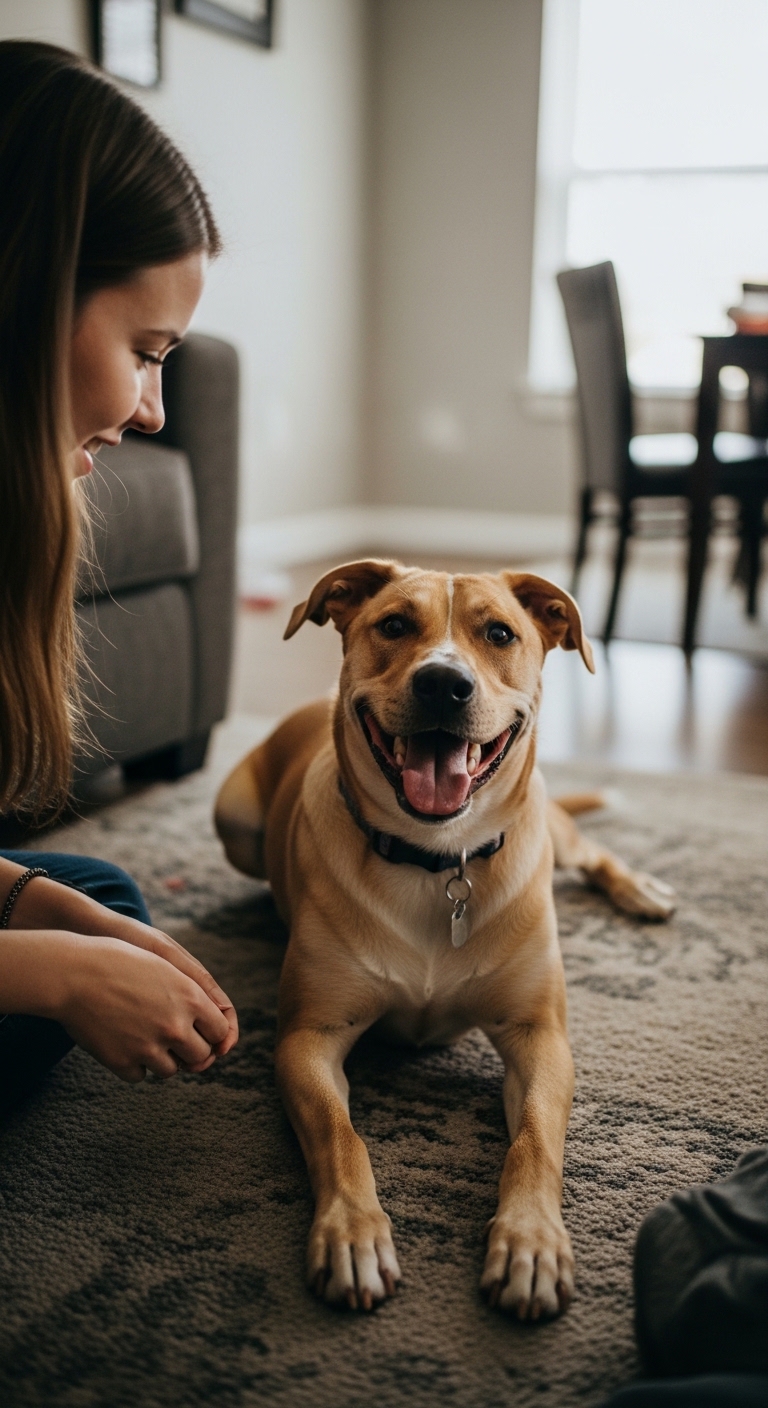
Dogs use a mix of facial expressions, body language, and vocalizations to communicate, but their "smile" is often just a relaxed face. When they’re happy, their mouth might hang open slightly, and their eyes could look soft and bright. This isn’t the same as a human smile, but it’s a sign they’re content. Some dogs even show their teeth in a relaxed way when they’re comfortable, which can look like a smile.
Why Some Dogs Seem to Smile More Than Others
Breed and personality play a big role in how dogs express themselves. For example, breeds like Labrador Retrievers or Golden Retrievers often have open, friendly faces that make them look like they’re smiling more often. On the other hand, breeds with tighter facial structures, like Bulldogs, might not show the same relaxed expressions. It’s all about their natural tendencies and how they’ve been socialized.
The Role of Training in Dog Expressions
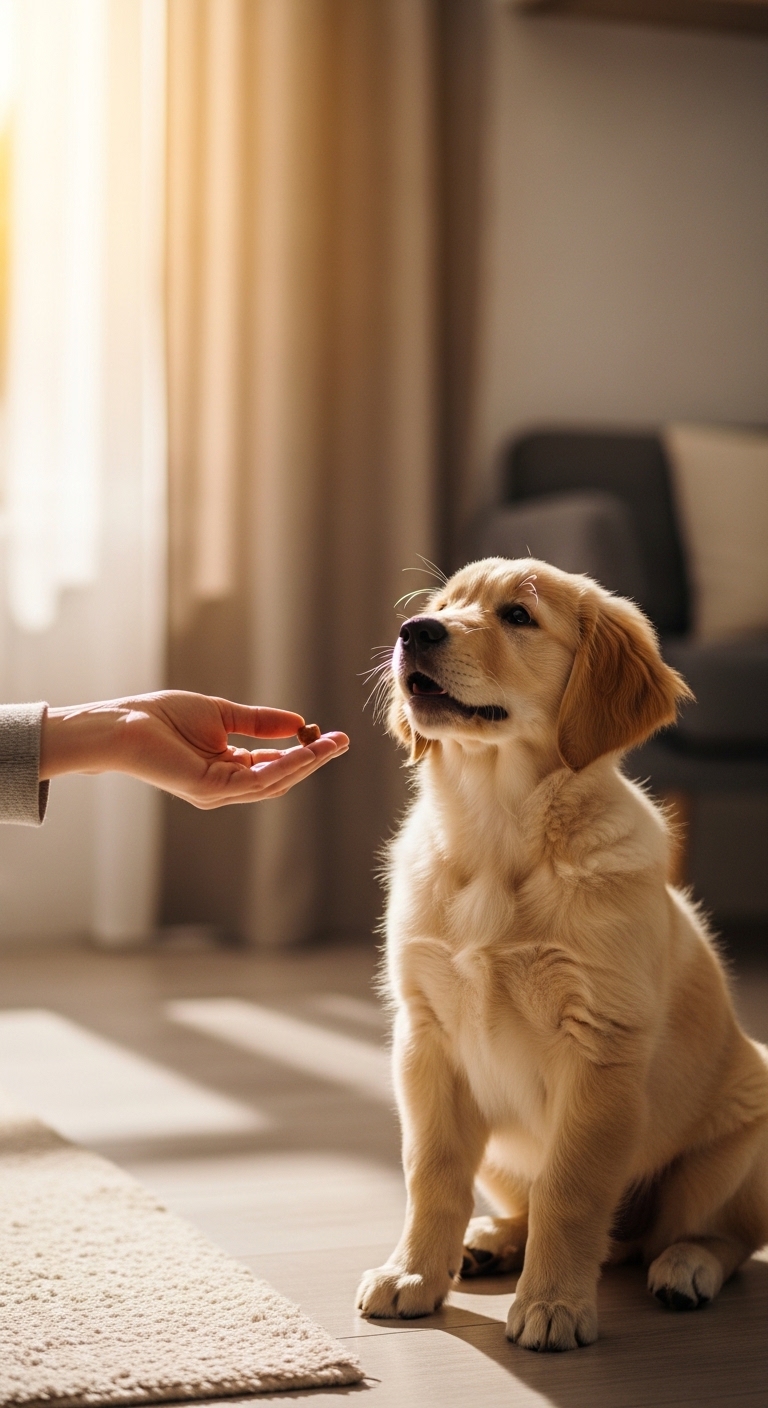
Training can influence how your dog reacts to different situations, including how they express happiness. If your dog has been taught to associate certain actions with rewards, they might show more relaxed or "smiling" expressions when they’re anticipating something good. Positive reinforcement training helps build confidence, which can make their expressions look more open and friendly over time.
Understanding your dog’s expressions strengthens your connection and ensures their well-being. Pay attention to their cues for a happier, healthier relationship.
Frequently Asked Questions
- → Can dogs actually smile like humans?
Dogs don’t smile in the same way humans do, but they can display facial expressions that resemble a smile. This often happens when they’re relaxed, happy, or excited, especially during playtime or when greeting their owners.
- → How can I tell if my dog is smiling?
A dog’s ‘smile’ typically includes a relaxed mouth with slightly parted lips, a soft gaze, and a wagging tail. If your dog’s ears are also relaxed and their body is loose, it’s likely a sign of happiness.
- → Why does my dog bare its teeth?
Dogs may bare their teeth when they’re stressed, scared, or feeling threatened. This is different from a smile and is often a warning sign. Always observe their body language to understand their emotions.
- → Do certain breeds smile more than others?
Some breeds, like Labrador Retrievers and Golden Retrievers, are known for their expressive faces and may appear to smile more often. However, any dog can display happy expressions with the right environment and care.
- → How can I encourage my dog to smile?
Spend quality time with your dog, engage in play, and provide positive reinforcement. A happy, well-cared-for dog is more likely to display relaxed and joyful expressions.
- → Is a dog’s smile a sign of submission?
Sometimes, a dog may bare its teeth in a submissive grin, especially when greeting a dominant dog or person. This is a way to show deference and avoid conflict.