 Pin
Pin
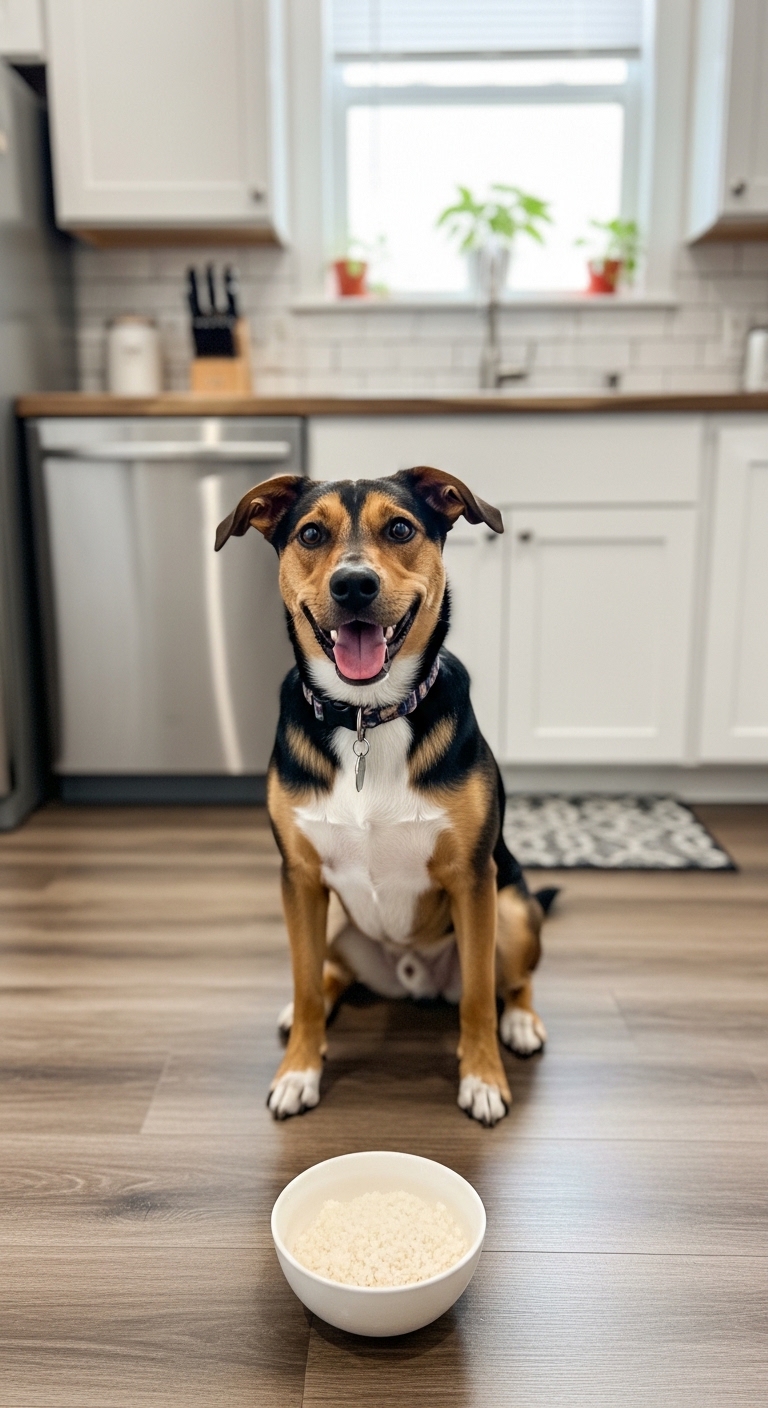
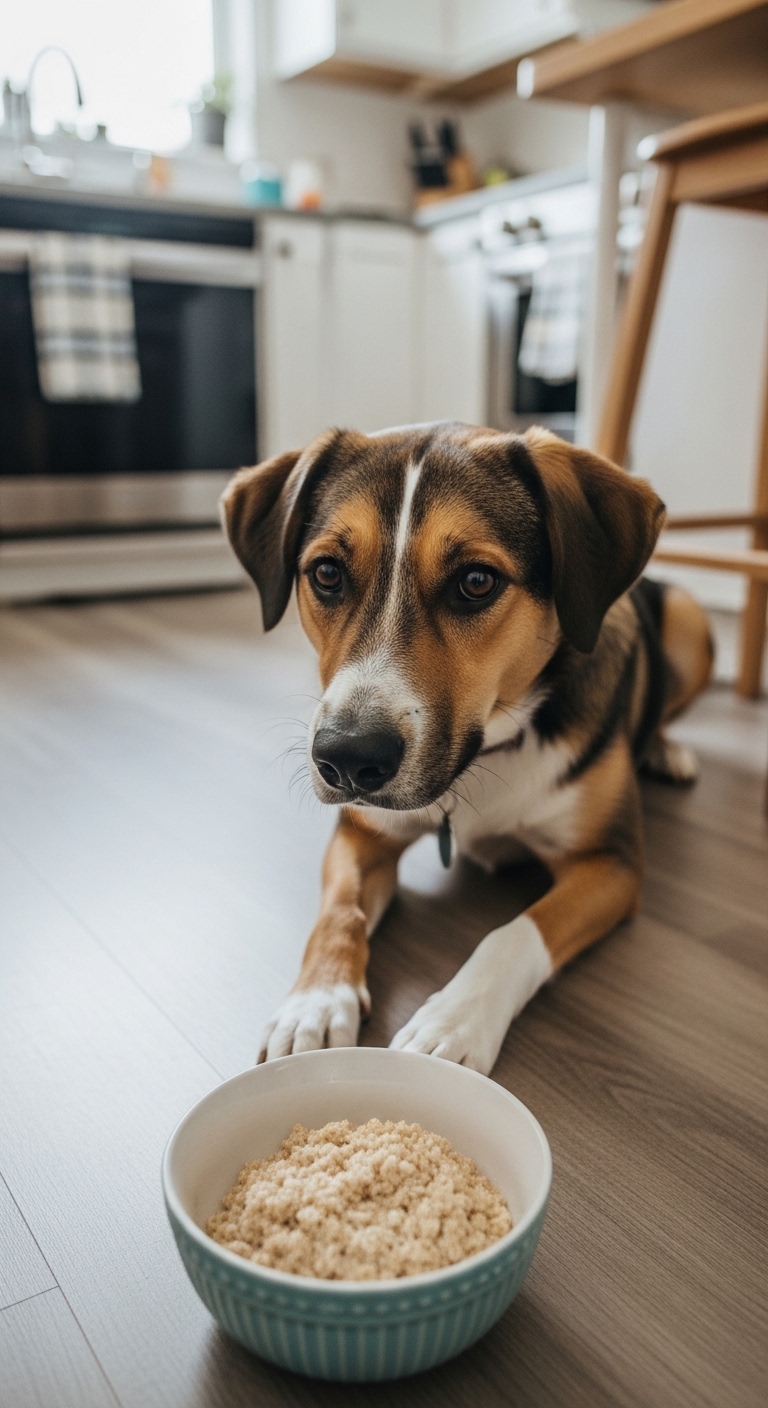
Understanding whether dogs can have salmon is essential for pet owners looking to enhance their dog's diet. Salmon is a nutritious fish packed with omega-3 fatty acids, which can contribute to a healthy coat and overall well-being. However, it's crucial to know how to prepare it safely and the potential risks that come with it, ensuring that your furry friend enjoys the benefits without any harm.
Incorporating salmon into your dog's meals can be a game changer for their health and happiness. Just remember that moderation and proper preparation are key to keeping your pet safe and thriving.
Key Things to Understand
- Salmon is rich in omega-3 fatty acids: which support skin and coat health
- Raw salmon can pose health risks: such as parasites and bacteria
- Cooked salmon is safe: and beneficial for dogs when prepared properly
- Always remove bones: to prevent choking or injury
What to Look For
When considering adding salmon to your dog's diet, pay attention to the source of the fish. Always opt for high-quality, fresh salmon to avoid contaminants. Observe your dog's reaction when trying salmon for the first time; any signs of digestive upset should be noted. Regularly check for any bones in the salmon before serving to ensure safety. Lastly, monitor your dog's overall health after introducing new foods to their diet to ensure they are adjusting well.
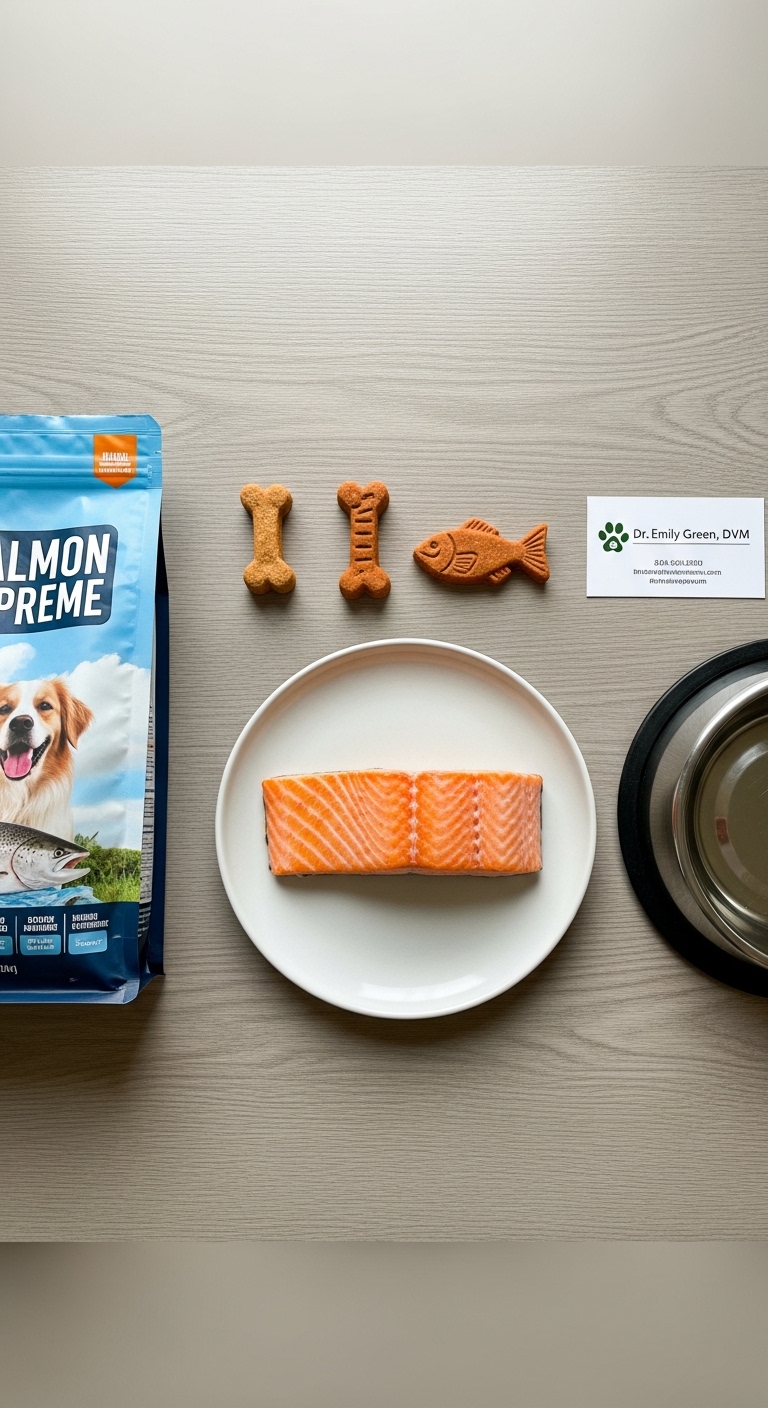
It's easy to think that all fish is good for dogs, but salmon requires careful preparation. Always remember that moderation is key; too much salmon can lead to an upset stomach or other issues. If your dog shows any signs of discomfort after eating salmon, it’s important to consult your veterinarian.
Daily Care Habits
A balanced diet is crucial for your dog's daily care. Incorporating salmon into their meals can provide essential nutrients that support their health. However, it should only be a small part of their overall diet. Ensure you combine it with other proteins and nutrients to give your dog a well-rounded meal plan. Regularly scheduled feeding times can also help establish a routine that benefits digestion and behavior.
Choosing the Right Product
When selecting salmon for your dog, opt for high-quality, wild-caught salmon when possible. Avoid any products that contain additives or preservatives, as these can be harmful to your dog. Fresh salmon is preferable, but if you choose canned salmon, ensure it is packed in water without added salt or seasonings. Always check the ingredients to ensure they are safe for canine consumption.
Safety and Comfort
Ensure that your dog's feeding area is clean and safe when introducing new foods like salmon. Dogs can be messy eaters, so providing a designated space can help keep their area tidy. After feeding, observe your dog for any signs of discomfort or distress. Comfort is key, and ensuring your dog feels relaxed while eating will help them enjoy their meals more.
Common Mistakes to Avoid
Many pet owners mistakenly offer raw salmon thinking it’s a healthy treat. This can lead to serious health issues due to parasites and bacteria. Another common mistake is not removing bones, which can pose a choking hazard. Finally, overfeeding salmon can lead to nutritional imbalances, so always serve it in moderation as part of a balanced diet.

Incorporating salmon into your dog's diet can be a beneficial addition, provided it's done safely and in moderation.
Frequently Asked Questions
- → Is salmon safe for all dogs?
Most dogs can safely eat salmon, but individual tolerances vary. Always introduce it gradually and watch for signs of allergies like itching or digestive upset. Puppies, senior dogs, or those with health conditions should consult a vet first.
- → How should I prepare salmon for my dog?
Cook salmon thoroughly by boiling, baking, or steaming without oil, salt, or seasoning. Remove all bones to prevent choking or internal damage. Avoid raw salmon due to parasite risks.
- → Can dogs eat raw salmon?
No, raw salmon may contain parasites like Neorickettsia helminthoeca, which can cause "salmon poisoning disease"—a potentially fatal condition. Always cook salmon before feeding it to your dog.
- → How much salmon can I give my dog?
Salmon should make up no more than 10% of your dog's diet to avoid excess fat intake. For a medium-sized dog, a few small pieces (about 1-2 oz) 2-3 times per week is sufficient. Adjust based on your dog's size and dietary needs.
- → What are the benefits of salmon for dogs?
Salmon is high in protein and omega-3 fatty acids, which promote healthy skin, a shiny coat, and reduced inflammation. It also supports joint health and may improve cognitive function in aging dogs.
- → Can dogs with allergies eat salmon?
Some dogs may be allergic to fish proteins. If your dog has never eaten salmon, start with a small amount and monitor for reactions like vomiting, diarrhea, or skin irritation. Consult your vet if unsure.
- → Is canned salmon safe for dogs?
Canned salmon in water (no salt or additives) can be fed occasionally, but avoid varieties with seasoning, oil, or high sodium content. Fresh or frozen cooked salmon is the healthier option.