 Pin
Pin
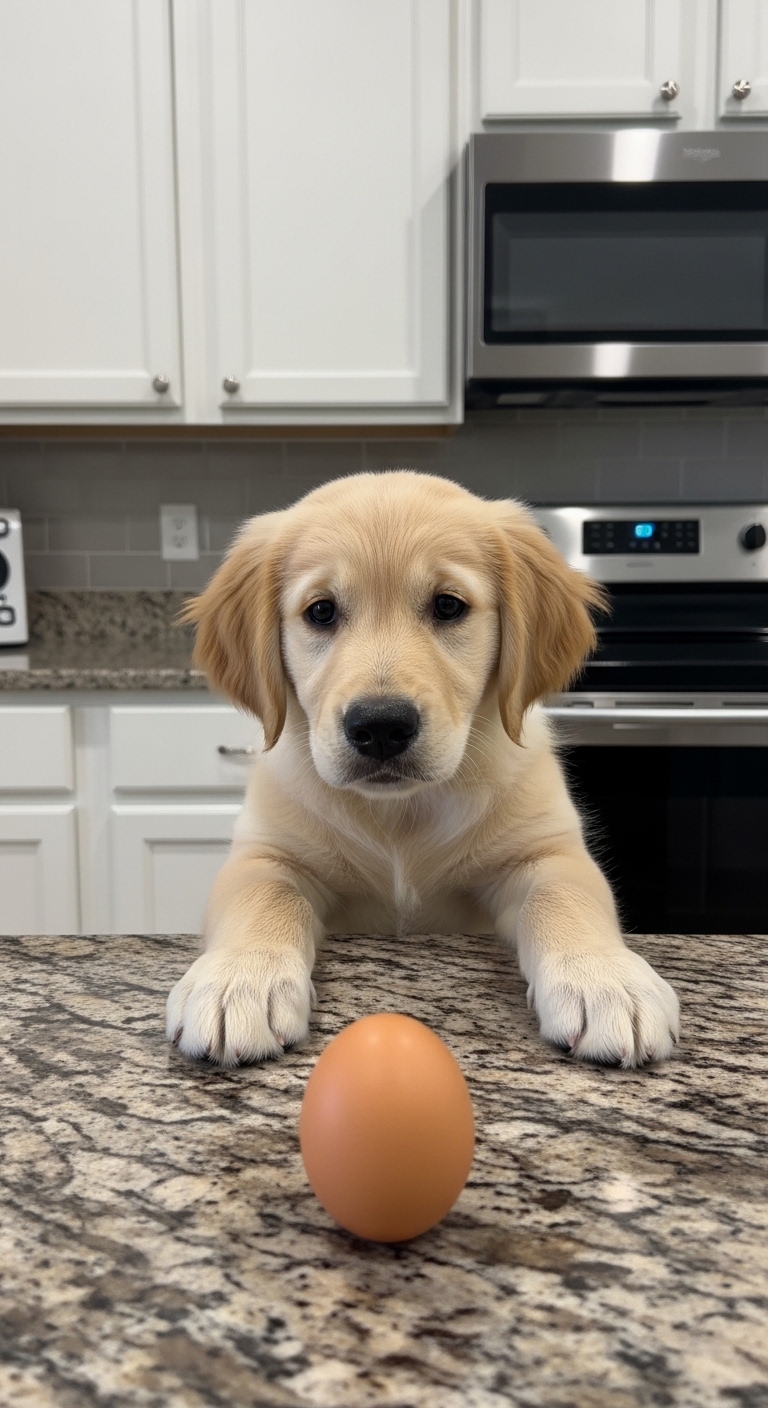
The question of whether dogs can have raw eggs is one that concerns many pet owners. Understanding the implications of adding raw eggs to your dog's diet is essential for ensuring their health and well-being. Raw eggs are often considered a natural source of protein and nutrients, but they also come with potential risks that every responsible dog owner should be aware of. Making informed decisions about your pet's diet is crucial for their overall health.
As a dog owner, it's always important to weigh the benefits against the risks when considering new foods. A balanced approach to your dog's diet can lead to happier and healthier pets.
Key Things to Understand
- Raw eggs can provide protein and essential fatty acids: which support muscle health and coat condition
- There is a risk of salmonella infection: from raw eggs which can affect both dogs and humans
- Egg whites contain avidin: which can interfere with biotin absorption if fed in excess
- Moderation is key: when introducing any new food into your dog's diet
What to Look For
When considering raw eggs for your dog, observe their behavior and health after introducing this new food. Look for signs of digestive upset such as vomiting or diarrhea that may indicate intolerance. Check the quality of the eggs as fresh and organic options are preferable. Always monitor for any allergic reactions or changes in energy levels. If your dog has any existing health conditions, consult your veterinarian before adding raw eggs to their diet.
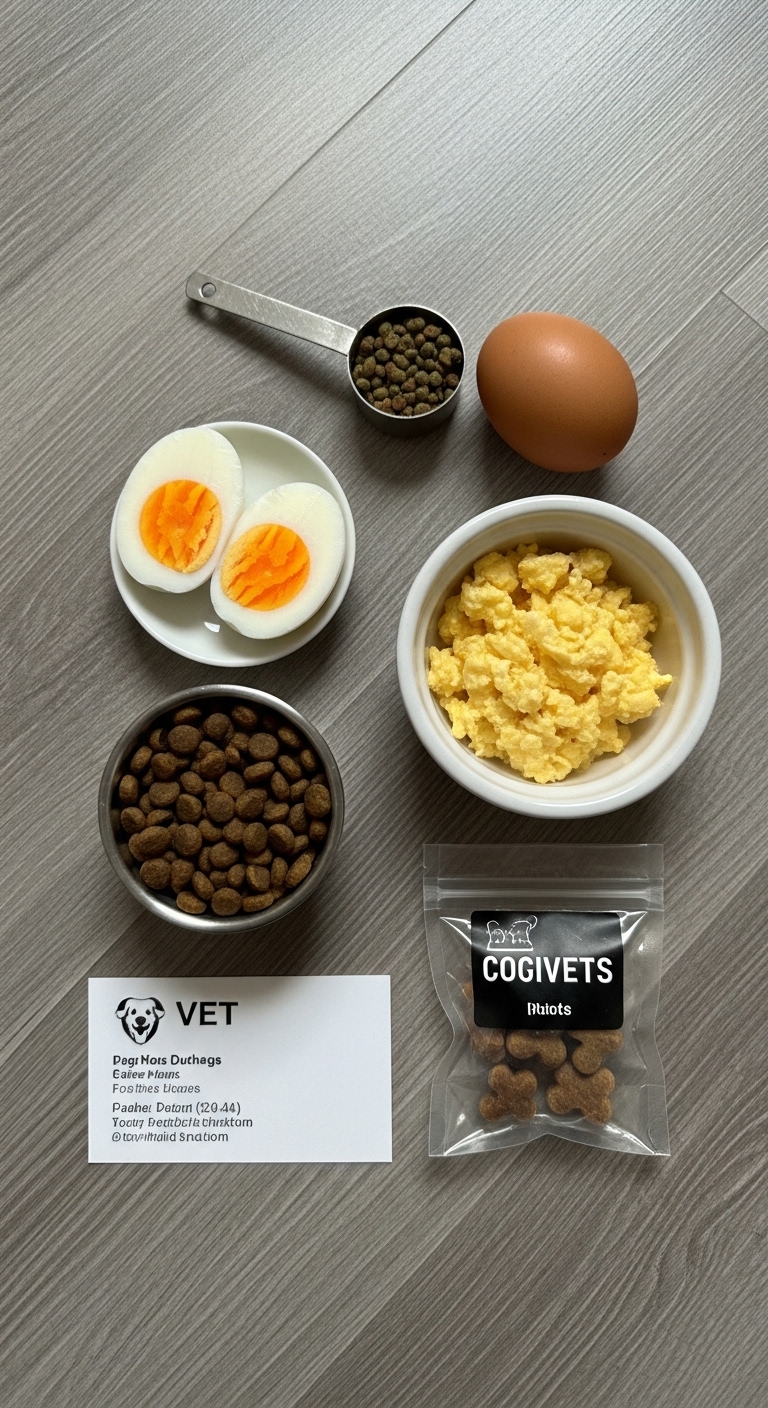
Many pet owners overlook the importance of gradual introduction when changing diets. Jumping into new foods too quickly can lead to digestive issues that can easily be avoided.
Daily Care Habits
Incorporating raw eggs into your dog's diet requires consistent monitoring. Make it a habit to observe how your dog reacts to new foods and adjust accordingly. Keeping a food diary can help track any changes in their health or behavior.
Choosing the Right Product
Not all eggs are created equal. Opt for organic, free-range eggs whenever possible. These eggs tend to have better nutritional profiles and are less likely to contain harmful substances.
Safety and Comfort
Ensure that the eggs are stored properly to avoid spoilage. Raw eggs should be kept in a cool environment and consumed promptly to minimize health risks.
Common Mistakes to Avoid
One common mistake is assuming that all dogs can handle raw eggs without issue. Each dog has a unique digestive system, so it's essential to proceed with caution and consult with a vet if unsure.
Indoor Routines
When feeding raw eggs indoors, be prepared for potential mess. Use a mat or designated feeding area to make cleanup easier. This helps in maintaining hygiene and comfort for both you and your dog.
Outdoor Routines
If you're feeding raw eggs while outdoors, consider the environment. Ensure that the eggs are kept cool and that your dog has access to fresh water afterward to help with digestion.
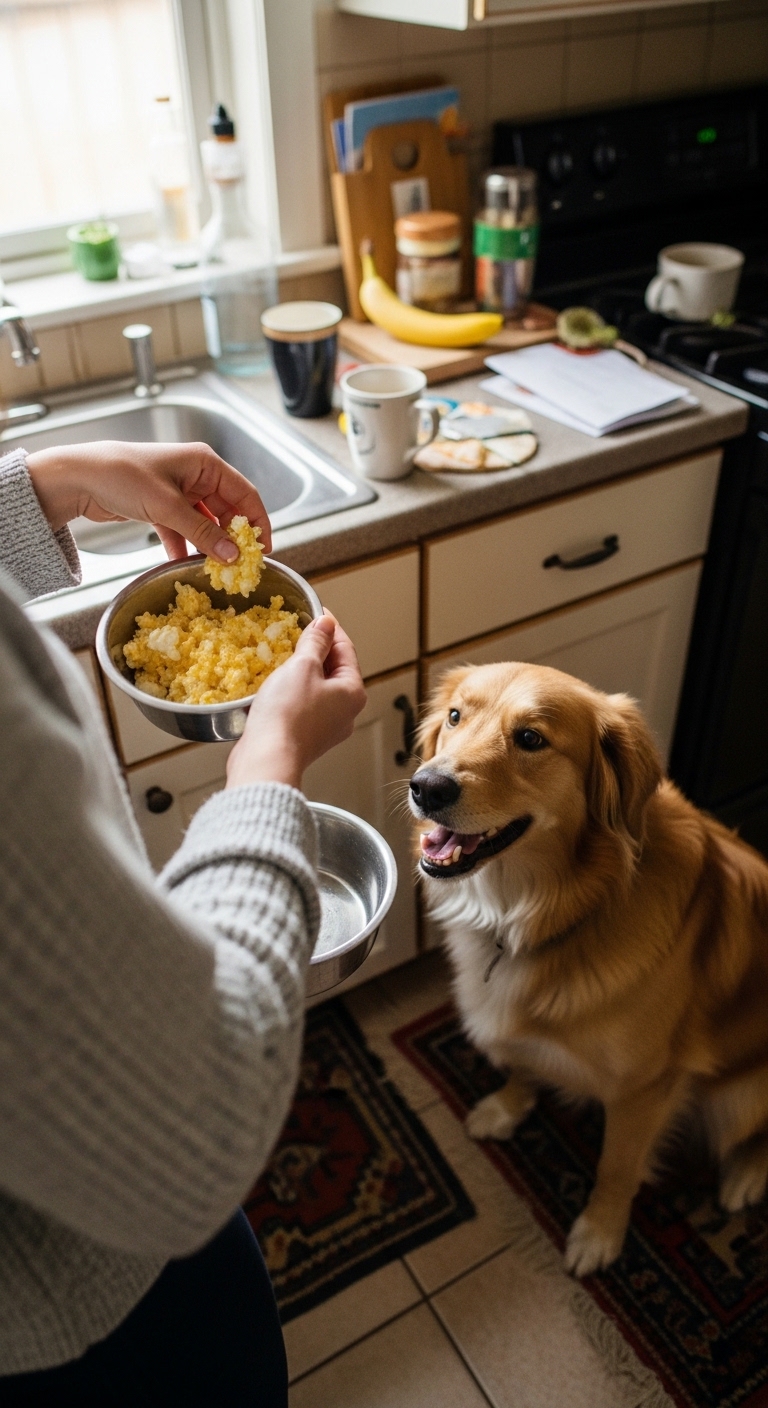
Feeding raw eggs can be beneficial, but always prioritize your dog's health and well-being.
Frequently Asked Questions
- → Are raw eggs safe for dogs to eat?
Raw eggs may pose health risks due to bacteria like Salmonella. While some dogs tolerate them, others may get sick. Cooked eggs are generally safer.
- → What are the benefits of feeding dogs raw eggs?
Raw eggs contain protein, healthy fats, and vitamins like A, B12, and D. However, these benefits can also be obtained from cooked eggs without the risks.
- → Can raw eggs cause food poisoning in dogs?
Yes, raw eggs can carry harmful bacteria that may lead to food poisoning, causing symptoms like vomiting, diarrhea, or lethargy in dogs.
- → How should I introduce eggs to my dog's diet?
Start with a small amount of cooked egg and observe your dog for any reactions. Always consult your vet before making dietary changes.
- → Are there safer alternatives to raw eggs for dogs?
Cooked eggs are the safest option. You can also offer boiled, scrambled, or poached eggs without added salt or seasoning.
- → What signs indicate my dog shouldn't eat raw eggs?
Watch for vomiting, diarrhea, lethargy, or loss of appetite. If these occur, discontinue feeding raw eggs and consult your vet.