 Pin
Pin
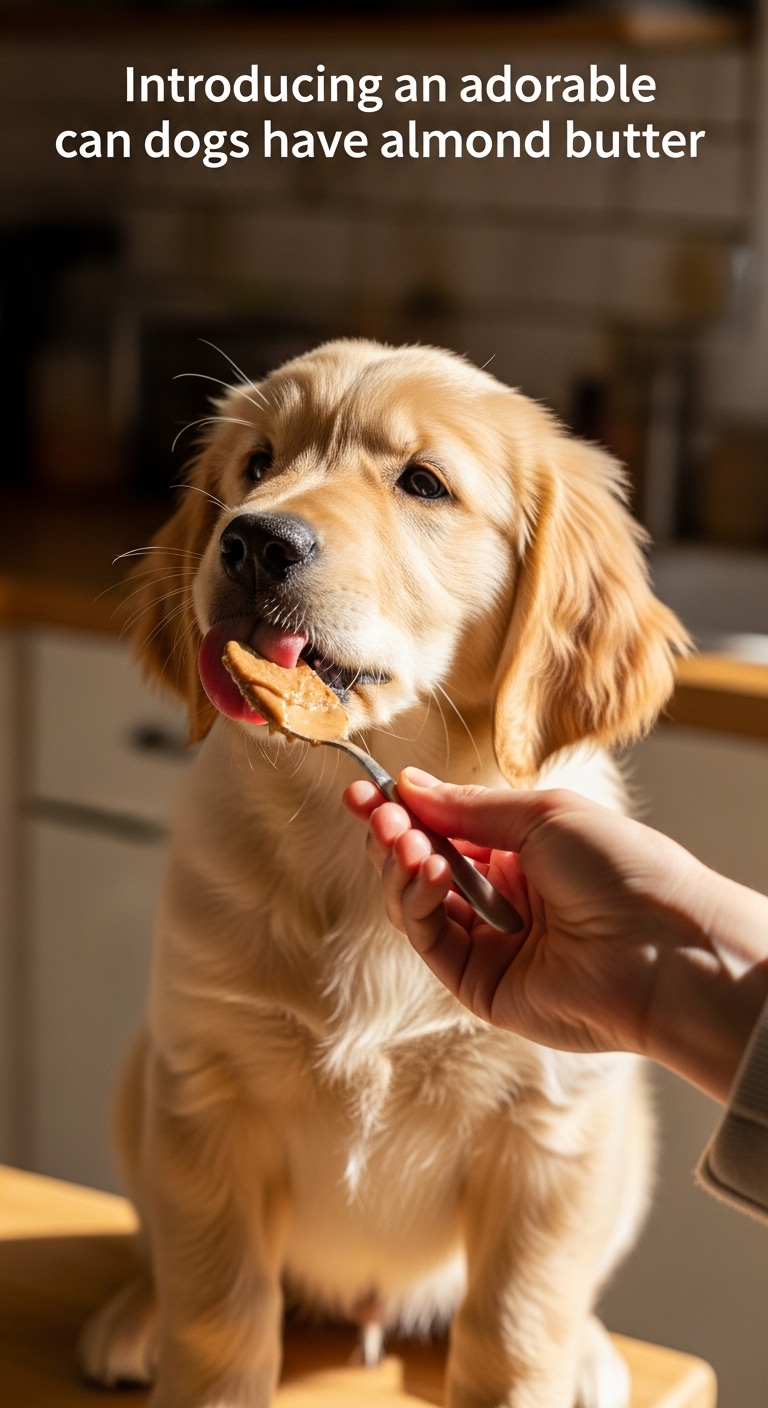
Almond butter is a popular snack for humans, but pet owners often wonder if it’s safe to share with their dogs. The answer isn’t as simple as yes or no, because while almonds themselves aren’t toxic to dogs in small amounts, almond butter can pose risks depending on the ingredients and how it’s served. Understanding the nuances can help you make safer choices for your furry friend.
I’ve seen well-meaning owners give their dogs a spoonful of almond butter without checking the label, only to realize later it contained xylitol—a deadly sweetener for dogs. A quick label check can save a lot of worry.
Key Things to Understand
- Xylitol toxicity: Xylitol is a common sugar substitute in some almond butters and is extremely toxic to dogs even in tiny amounts. Always read the ingredient list carefully.
- High fat content: Almonds are high in fat, which can lead to pancreatitis in dogs if consumed in large quantities. Even a small amount of almond butter can be too rich for some pets.
- Allergic reactions: Some dogs have nut allergies, just like humans. Watch for signs like itching, swelling, or vomiting after trying a new food.
- Added ingredients: Salted or flavored almond butters may contain excess sodium or spices that upset your dog’s stomach. Plain, unsweetened varieties are the safest option.
What to Look For
When considering almond butter for your dog, start by examining the ingredient list for any artificial sweeteners, especially xylitol. This is non-negotiable, as even a small amount can cause a rapid drop in blood sugar, seizures, or liver failure in dogs. Next, look for added salts, sugars, or flavorings, which can cause digestive issues or unnecessary weight gain. Plain, 100% almond butter with no additives is the best choice if you decide to share it.
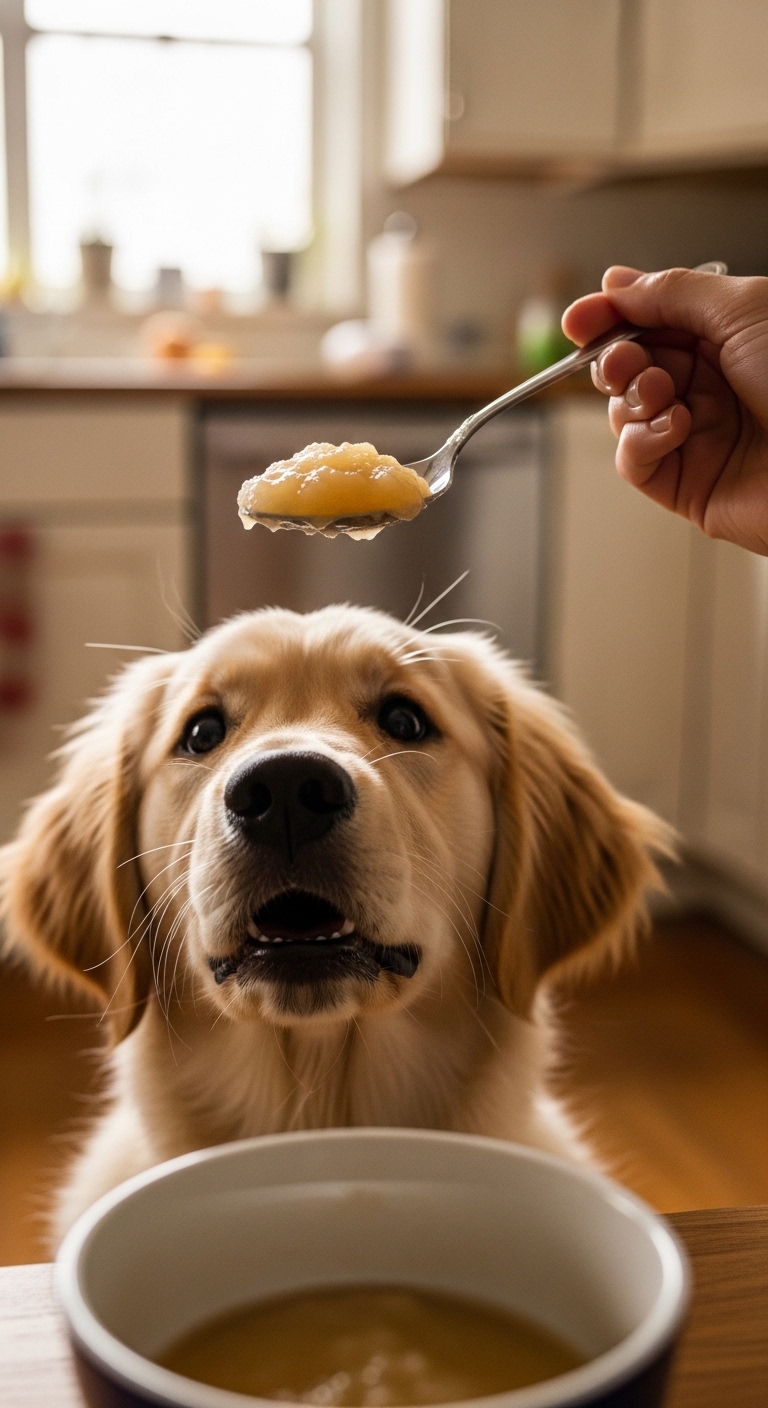
Pay attention to your dog’s reaction the first time they try almond butter. Some dogs may tolerate it well, while others might experience mild stomach upset. If your dog has a sensitive stomach or a history of pancreatitis, it’s best to avoid almond butter altogether. Also, consider the texture—thick, sticky almond butter can be a choking hazard or get stuck in their teeth, so it’s often better to thin it slightly with water or mix it into their regular food.
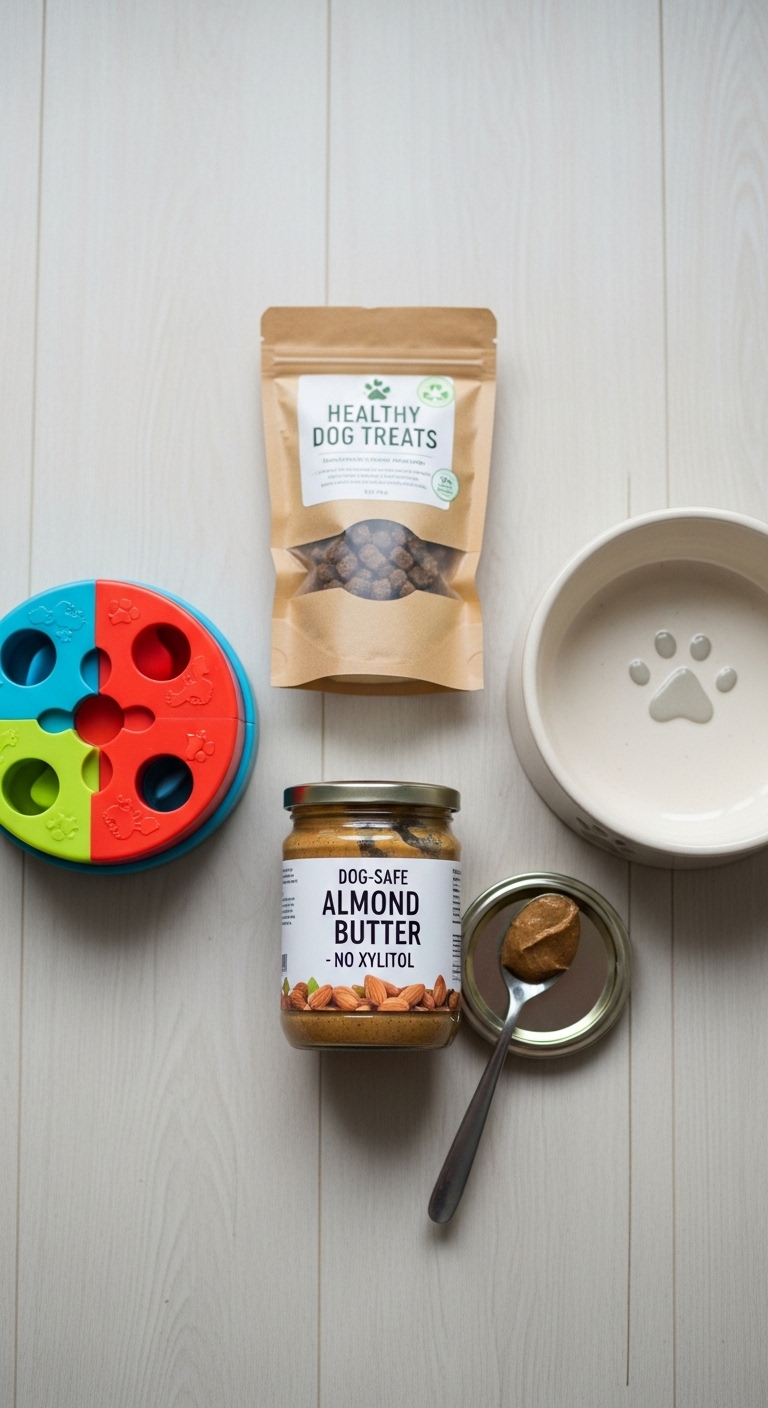
A common mistake is assuming that because a food is natural, it’s automatically safe for dogs. Almond butter is a great example of how even healthy human foods can carry risks for pets. If you’re unsure, a quick call to your vet can provide peace of mind.
Safe Alternatives to Almond Butter
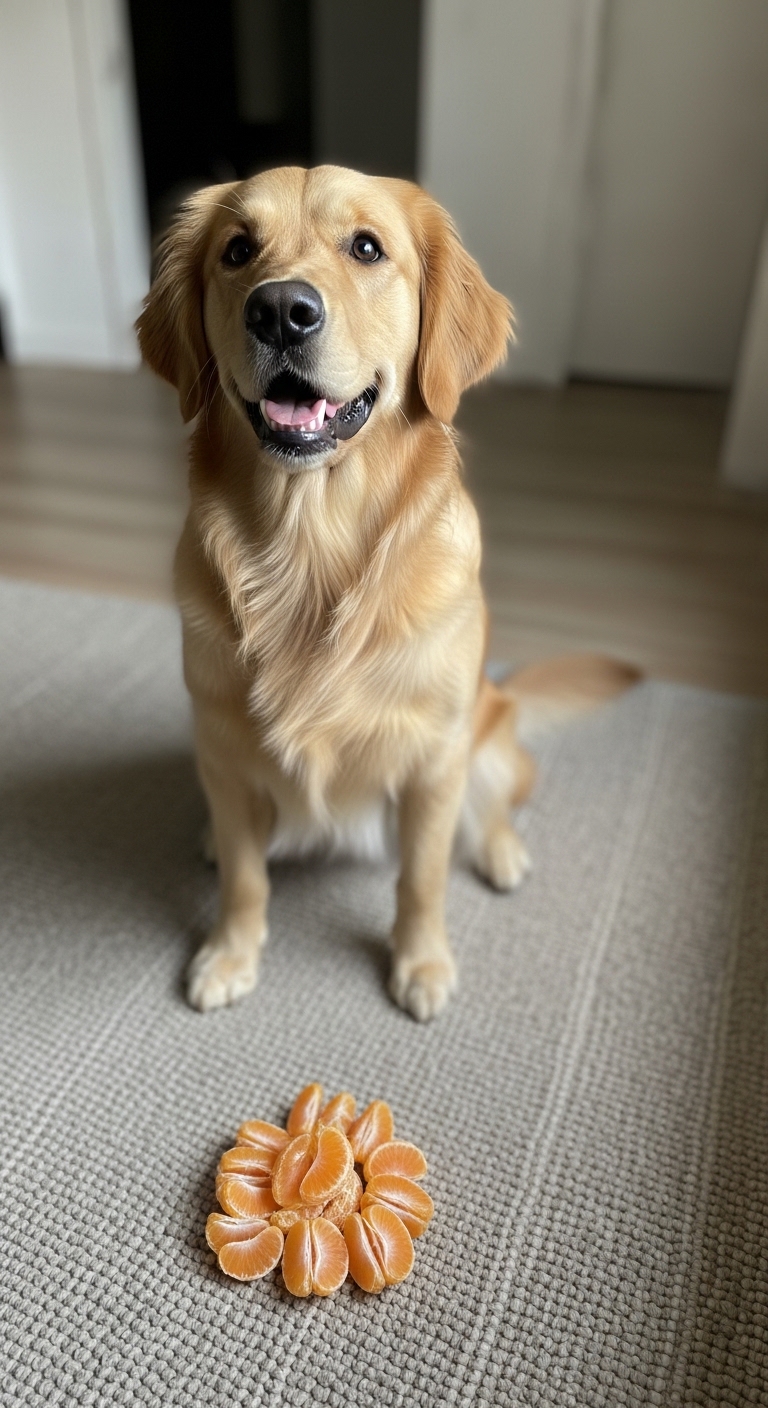
If you’re looking for a nut butter to share with your dog, peanut butter is often a safer choice, provided it’s also xylitol-free and unsalted. Other dog-friendly treats like plain pumpkin puree, small pieces of apple, or commercial dog treats can satisfy their craving for something special without the risks.
How Much Almond Butter Is Safe
If your vet gives the okay, a tiny amount—no more than a teaspoon for a medium-sized dog—can be an occasional treat. Larger dogs might tolerate slightly more, but it should never be a regular part of their diet. Smaller dogs should have even less, as their systems are more sensitive to rich foods.
Signs Your Dog Shouldn’t Have Almond Butter
Watch for vomiting, diarrhea, lethargy, or loss of appetite after your dog eats almond butter. These could be signs of an allergic reaction or digestive upset. If you notice any of these symptoms, discontinue the treat and consult your vet.
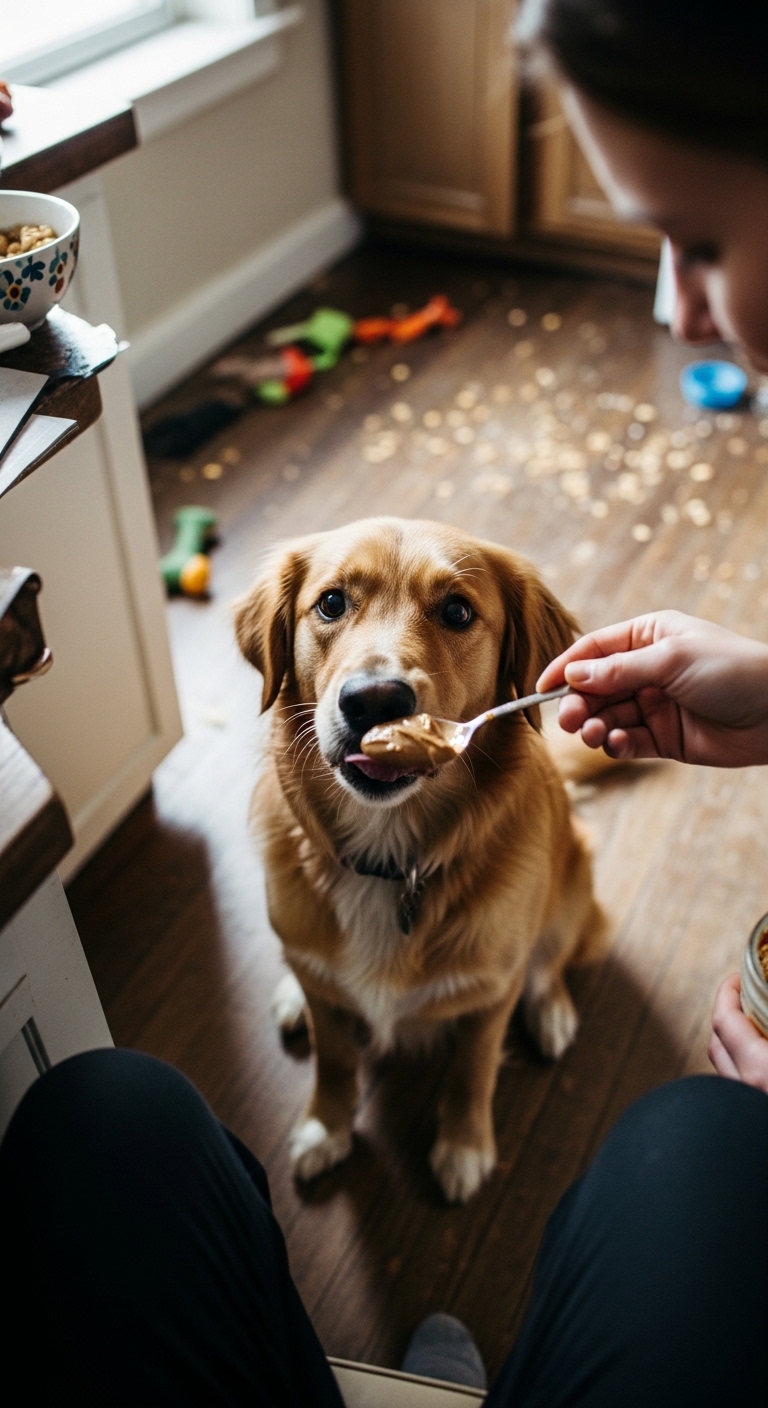
Almond butter can be a tricky treat for dogs, but with careful attention to ingredients and portion sizes, you can keep your pet safe.
Frequently Asked Questions
- → Is almond butter safe for dogs?
Almond butter is not toxic to dogs, but it’s not the safest choice due to potential additives like xylitol, high fat content, and possible digestive issues. Always check the ingredients and introduce it in very small amounts.
- → Can dogs eat almonds?
While almonds aren’t toxic to dogs, they can pose a choking hazard and may cause digestive upset or pancreatitis due to their high fat content. It’s best to avoid feeding almonds to your dog.
- → What are the risks of feeding almond butter to dogs?
The risks include digestive upset, pancreatitis from high fat content, and potential poisoning from additives like xylitol or excessive salt. Always opt for plain, unsweetened almond butter without harmful ingredients.
- → What are safer alternatives to almond butter for dogs?
Safer alternatives include xylitol-free peanut butter, pumpkin puree, or plain yogurt. Always introduce new foods gradually and consult your vet to ensure they’re suitable for your dog.
- → How much almond butter can I give my dog?
If your dog has no adverse reactions, a small amount (less than a teaspoon) as an occasional treat may be okay. However, it’s best to avoid it altogether due to the risks involved. Always prioritize dog-safe treats.
- → What should I do if my dog eats almond butter?
Monitor your dog for signs of digestive upset, vomiting, diarrhea, or lethargy. If you notice any concerning symptoms or if your dog consumed a large amount, contact your veterinarian immediately.