 Pin
Pin
Understanding whether dogs can smile is more than just a fun fact; it speaks to their emotional capacity and how they communicate with us. Recognizing your dog's expressions can deepen your bond and enhance your daily interactions, making it essential for every dog owner to grasp this concept.
Many pet owners often overlook the subtle ways dogs express joy or discomfort. Taking the time to observe these signs can lead to a happier life for both you and your furry friend.
Key Things to Understand
- Dogs express happiness through various physical cues including wagging tails and relaxed body language: These signals are crucial for understanding their mood.
- Facial expressions in dogs can indicate their emotional state just like in humans: A smile may not always mean joy.
- Not all smiles indicate friendliness; sometimes dogs may bare their teeth when feeling threatened: Context is key in interpreting these signals.
- Understanding your dog's unique personality helps in interpreting their expressions: Each dog has its own way of showing emotions.
- Regular positive interactions can foster a more expressive and trusting dog: Building a bond encourages emotional expression.
Frequently Asked Questions
- → Do dogs actually smile like humans?
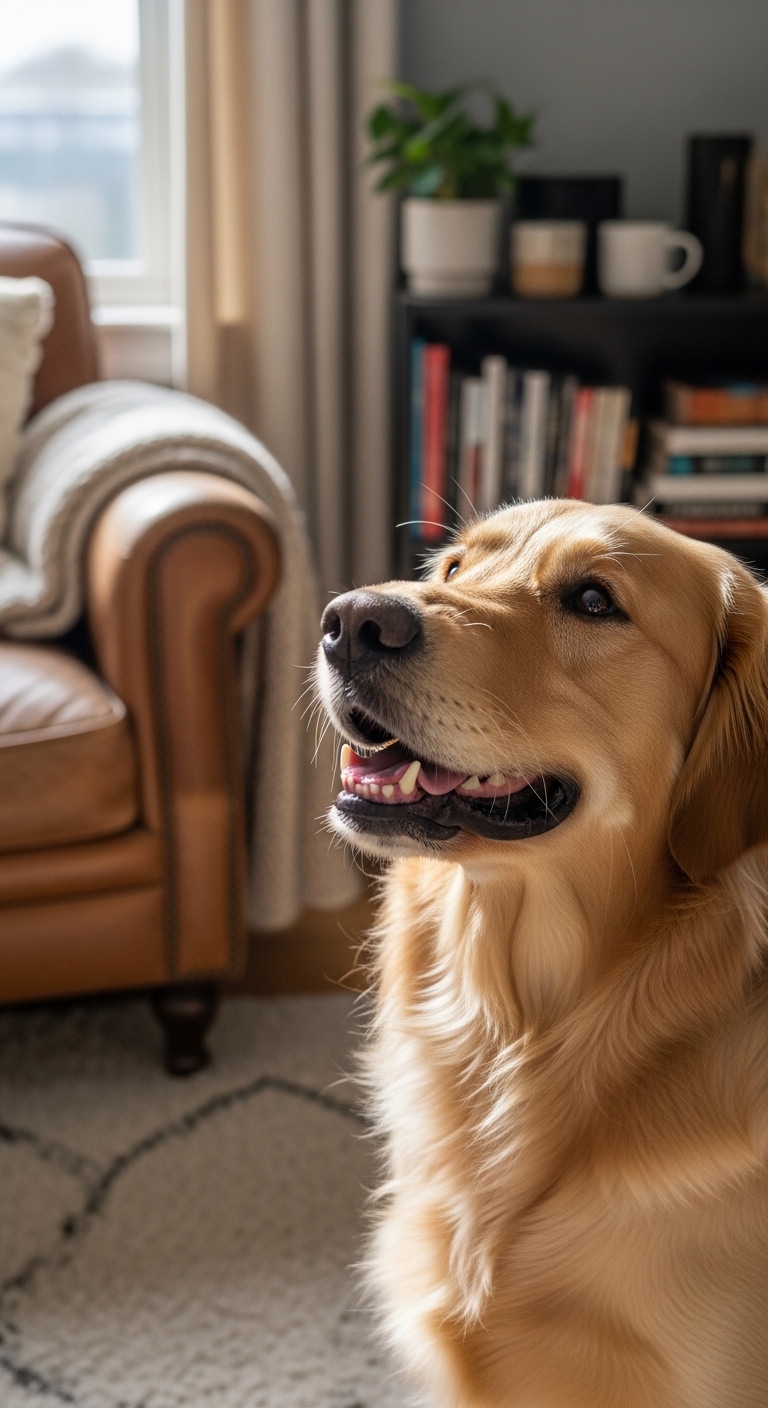
No, dogs don’t smile in the human sense. Their 'smile' is often a relaxed facial expression or a submissive grin, not an intentional mimicry of human emotions.
- → What does a dog’s 'smile' usually mean?
A dog’s relaxed facial expression or grin often signals happiness or submission, especially when paired with a wagging tail and playful behavior.
- → Can a dog’s facial expressions indicate pain?
Yes, subtle changes in facial expressions, like tightened lips or narrowed eyes, can signal discomfort or pain in dogs. Always observe their overall behavior.
- → How can I tell if my dog is happy?
Look for a relaxed body, wagging tail, bright eyes, and a soft mouth—not necessarily a 'smile.' Playfulness and a desire to engage also indicate happiness.
- → Do certain breeds 'smile' more than others?
Some breeds, like Labrador Retrievers or Golden Retrievers, are more expressive with their faces due to their breeding for sociability, but all dogs can display relaxed expressions.
- → Should I be concerned if my dog rarely 'smiles'?
Not necessarily. Some dogs are naturally less expressive. Focus on their overall behavior, energy levels, and health rather than facial expressions alone.