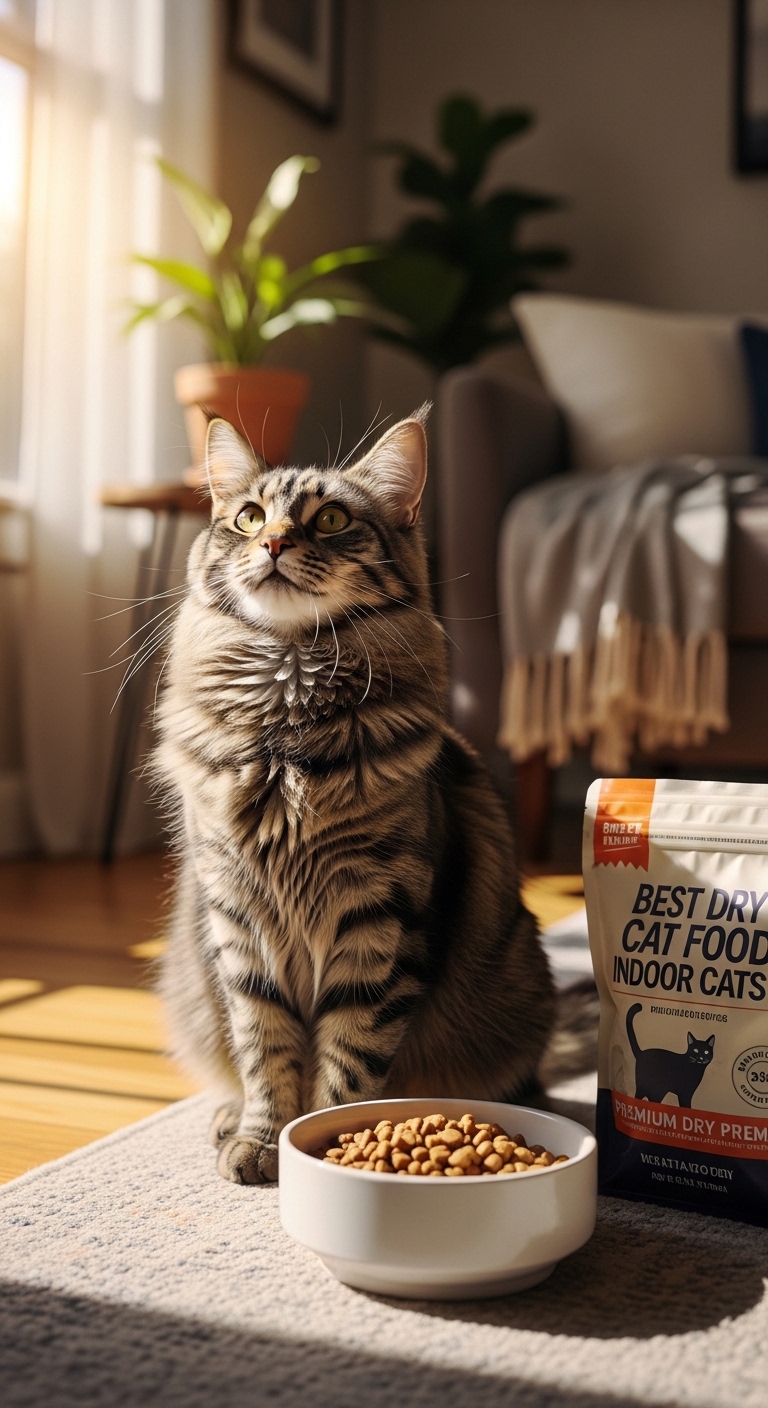
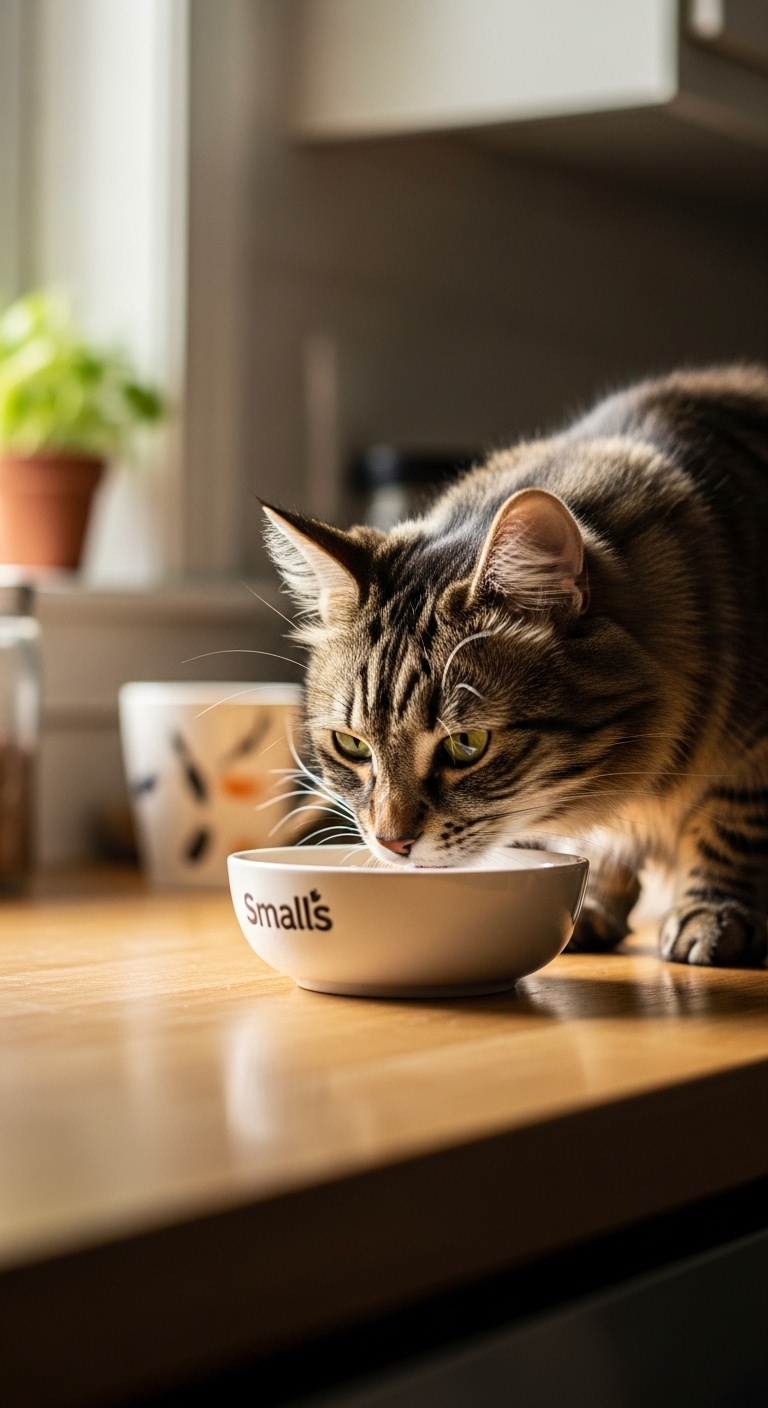
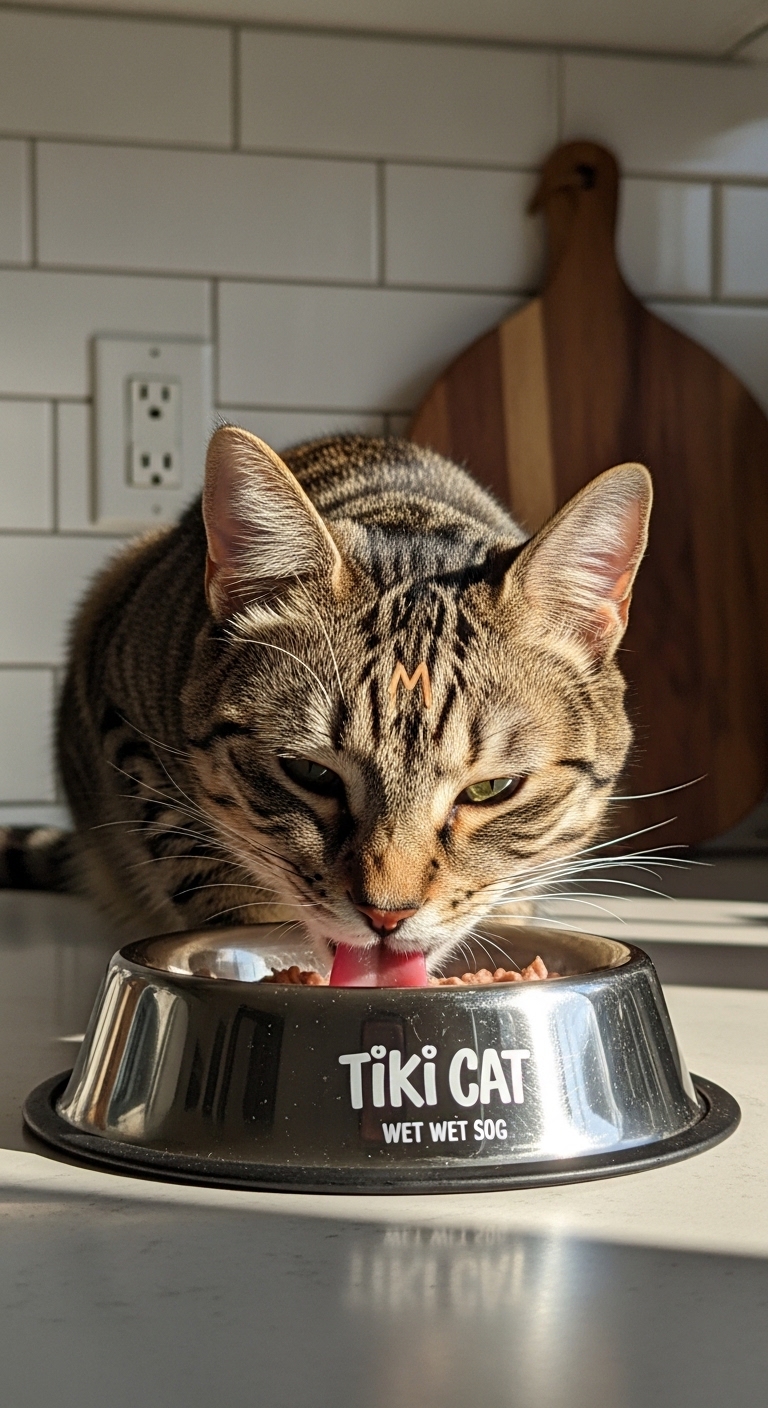
Choosing the right food for your cat can feel overwhelming with so many options on the market. Whether you're a first-time cat owner or have been caring for cats for years, the type of food you feed plays a big role in their health, energy levels, and even their mood. The debate between wet and dry cat food isn’t just about preference—it’s about understanding what your cat truly needs to thrive.
I remember when I first adopted my cat, I thought dry food was the easiest option until I noticed she wasn’t drinking enough water. A simple switch to wet food made a noticeable difference in her energy and coat shine.
Key Things to Understand
- Moisture content: Wet cat food contains about 70-80% moisture, which helps keep your cat hydrated naturally. This is especially important for cats that don’t drink enough water on their own
- Caloric density: Dry cat food is more calorie-dense and convenient for free-feeding, but it can contribute to weight gain if portions aren’t controlled
- Protein and carbs: Wet food is often higher in protein and lower in carbs, which aligns better with a cat’s natural diet as obligate carnivores
- Dental benefits: Dry food can help with dental health by mechanically scraping plaque off teeth, though it’s not a substitute for regular dental care
- Palatability: Some cats prefer the texture and smell of wet food, while others enjoy the crunch of dry kibble—palatability matters just as much as nutrition
What to Look For
Pay attention to the first few ingredients listed on the label, as they should be real meat sources like chicken, turkey, or fish rather than vague terms like "meat meal" or "by-products." The protein content should be high, ideally above 30%, while carbohydrates should be minimal since cats don’t need them. For wet food, check the moisture percentage—it should be at least 70% to ensure proper hydration. If you’re considering dry food, look for added vitamins and minerals that support urinary health, especially in breeds prone to crystals or blockages. Texture also plays a role; some cats refuse to eat certain shapes or sizes of kibble, so observe what your cat naturally gravitates toward during mealtime.
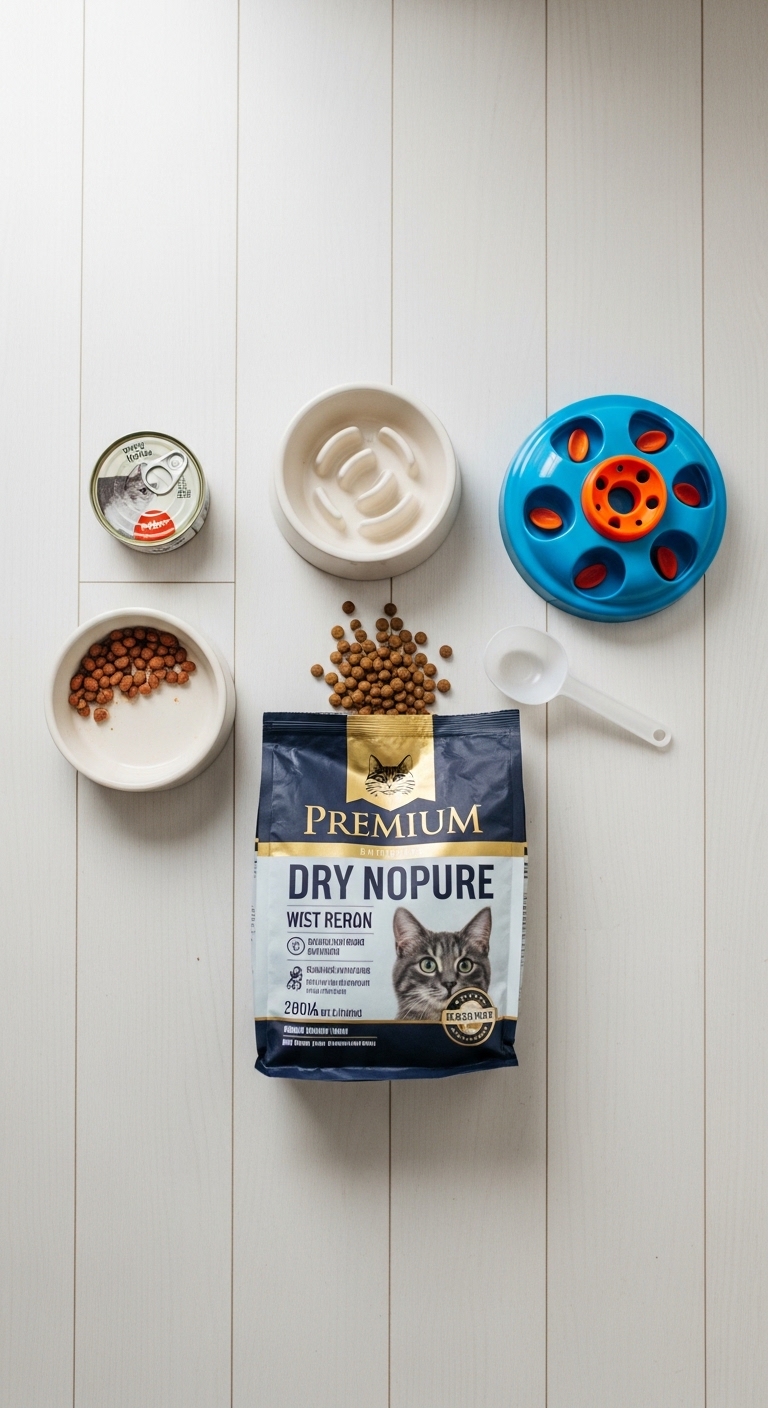
I once tried switching my cat from dry to wet food overnight, and she turned her nose up at it for a week. A slow mix-in approach worked much better—now she happily eats both. Always introduce new foods slowly to avoid digestive upset.
Daily Care Habits
If you feed your cat wet food, portion it out based on their weight and activity level to avoid overfeeding. Wet food can spoil quickly, so don’t leave it out for more than 30 minutes in warm weather. For dry food, measure servings precisely and store kibble in an airtight container to keep it fresh. Some cats enjoy a mix of both—try adding a small amount of wet food to their dry kibble to encourage hydration. Keep an eye on their litter box habits too; changes in urine frequency or consistency can signal a need for more moisture in their diet.
Choosing the Right Product
Start by checking the AAFCO statement on the packaging, which confirms the food meets basic nutritional standards. Look for brands that use named protein sources (like "chicken" instead of "poultry") and avoid artificial colors or preservatives. For wet food, pate-style options are easier for cats to eat, while shredded or gravy-based varieties can be more enticing for picky eaters. If your cat has specific health needs, such as kidney disease or allergies, consult your vet before making a switch. Price isn’t always an indicator of quality—some affordable brands offer excellent nutrition, while expensive ones may include unnecessary fillers.
Safety and Comfort
Always transition foods gradually over 7-10 days to prevent stomach upset. Store both wet and dry food in cool, dry places away from direct sunlight to maintain freshness. If you’re using canned food, ensure the can is free of dents or bulges, which could indicate spoilage. For dry food, check expiration dates and avoid buying in bulk if your cat is a slow eater—stale kibble loses its appeal and nutritional value. Keep food and water bowls separate from the litter box to encourage proper hygiene and reduce stress during mealtime.
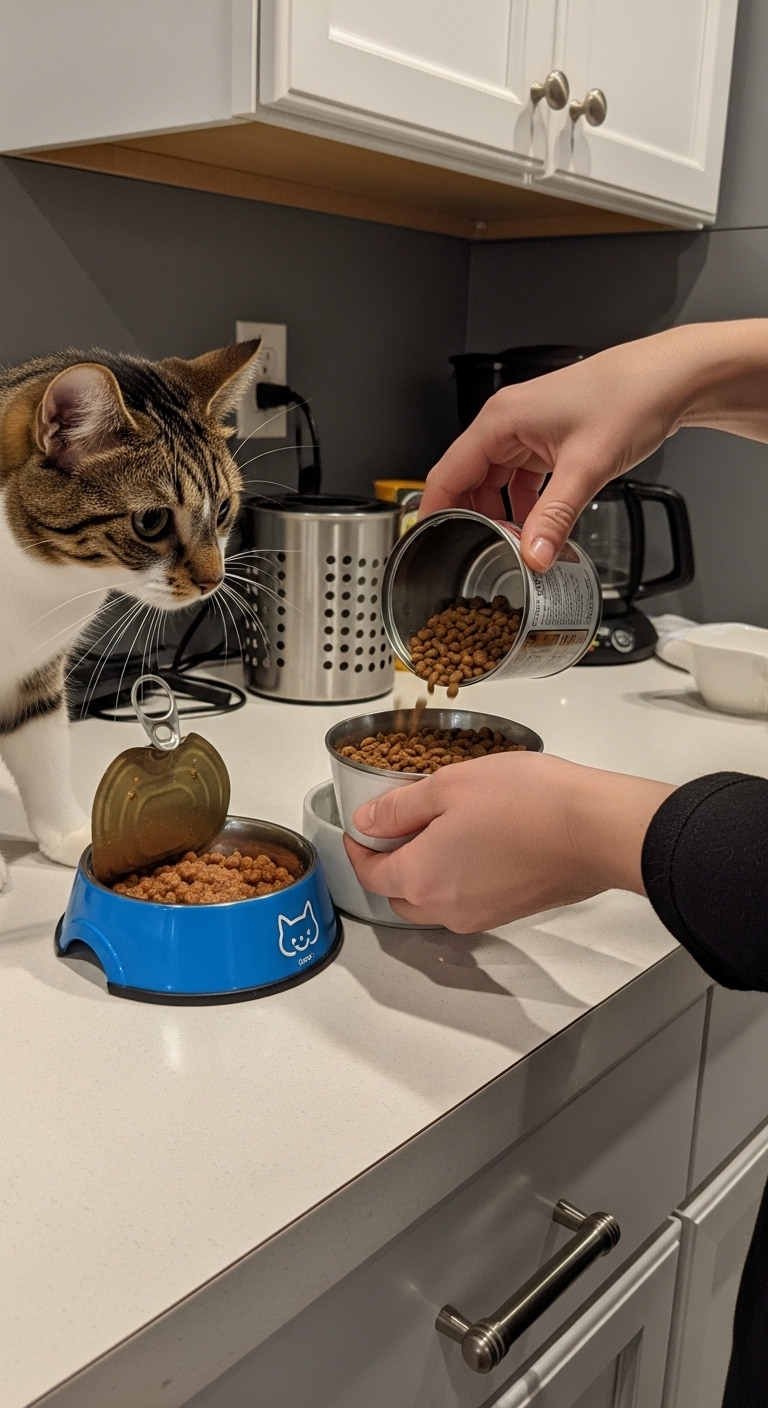
Understanding your cat’s unique needs and preferences will help you choose the best food for their health and happiness.
Frequently Asked Questions
- → Which is healthier: wet or dry cat food?
Wet food is generally higher in moisture, which can benefit cats prone to urinary issues or dehydration. Dry food is often more calorie-dense and may contain more carbohydrates. The best choice depends on your cat’s specific health needs and dietary requirements.
- → Does wet food help with hydration?
Yes, wet food contains about 70-80% water, which can significantly contribute to your cat’s daily hydration needs. This is especially beneficial for cats that don’t drink enough water on their own.
- → Can I mix wet and dry cat food?
Absolutely! Mixing both types can provide a balance of hydration from wet food and convenience from dry food. Ensure the total portions align with your cat’s caloric needs to avoid overfeeding.
- → Is dry food better for dental health?
Some dry foods are formulated to help reduce plaque and tartar buildup, but they shouldn’t replace regular dental care like brushing or vet cleanings. Chewing dry kibble can mechanically clean teeth, but it’s not a substitute for professional dental care.
- → How do I transition my cat to a new food?
Gradually introduce the new food by mixing it with the old food over 7-10 days. Start with a small ratio (e.g., 25% new food) and increase it slowly to avoid digestive upset. Monitor your cat’s reaction and consult your vet if needed.
- → Which is more cost-effective: wet or dry food?
Dry food is typically more affordable per serving and has a longer shelf life once opened. Wet food, while pricier, can be more nutrient-dense and hydrating. Consider your budget and your cat’s needs when choosing.