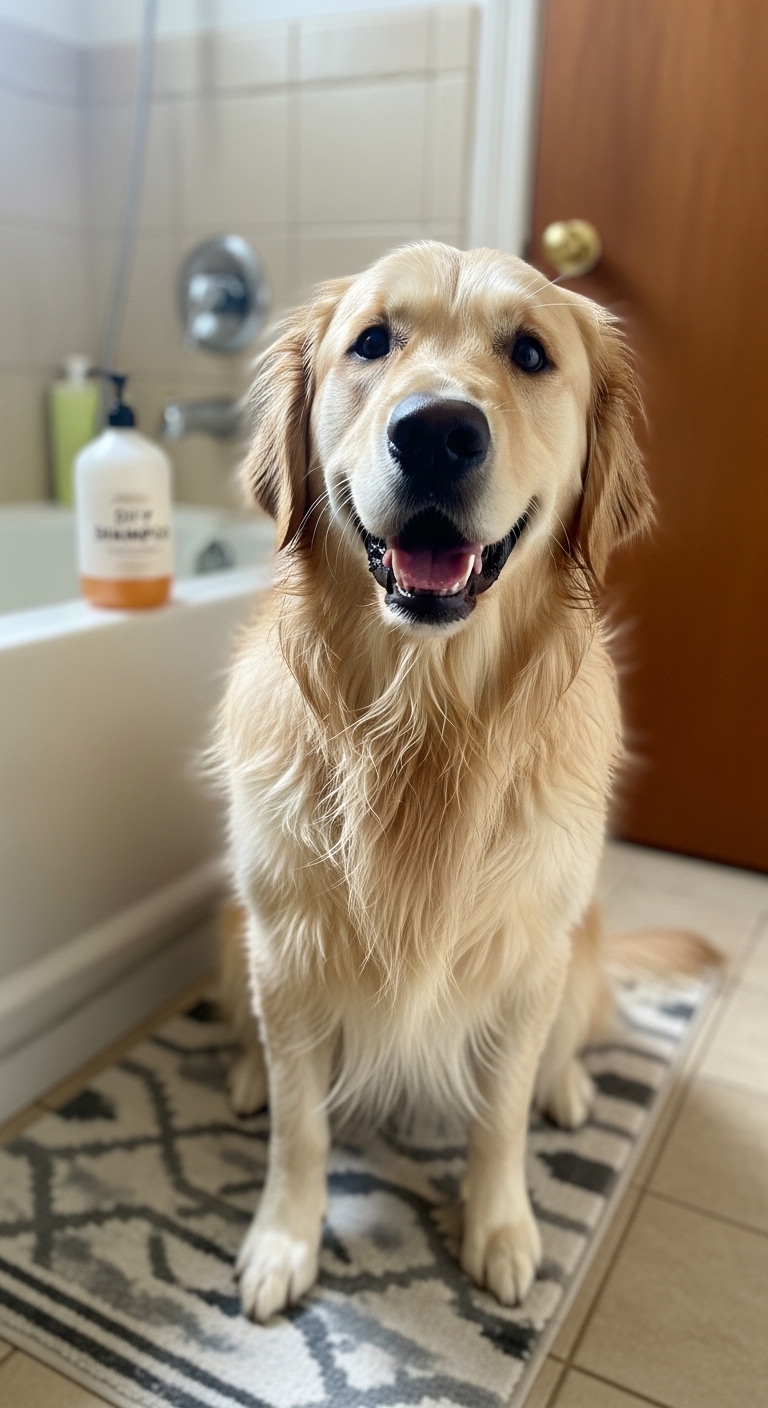
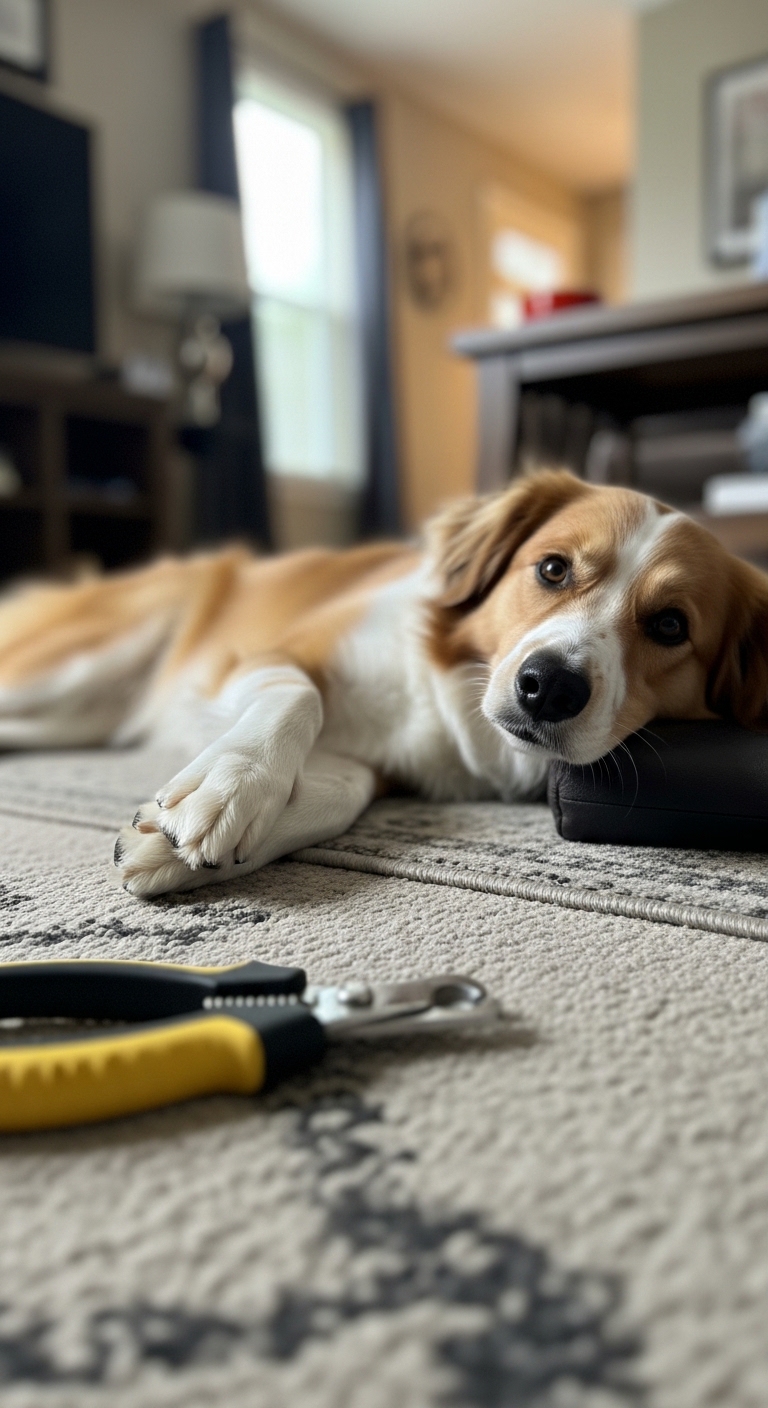
Trimming your dog’s nails isn’t just about keeping their paws tidy: it’s a key part of their health and comfort. Overgrown nails can cause pain, affect their gait, and even lead to infections or joint issues over time. Many pet owners avoid this task because it feels intimidating, but with the right approach, it becomes a simple routine that strengthens your bond with your dog. Plus, regular trims prevent those loud click-click sounds on your floors that can drive you (and your neighbors) crazy.
I still remember the first time I trimmed my dog’s nails: my hands were shaking, and he could sense my nerves. But once I got the hang of it, he relaxed too, and now it’s just another part of our monthly routine.
Key Things to Understand
- Always check the quick before trimming: The quick is the pink part inside the nail that contains blood vessels and nerves. Cutting into it causes pain and bleeding.
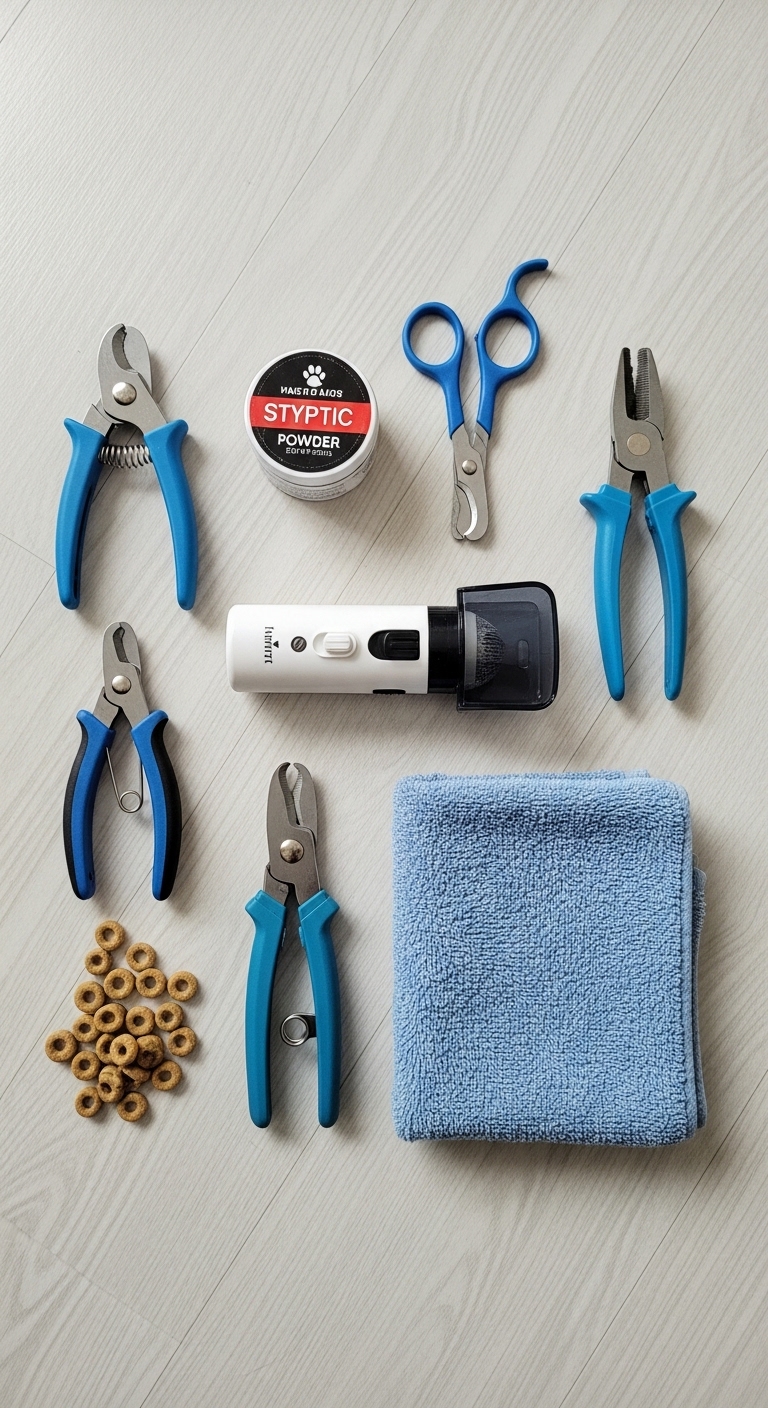
- Use the right tools: Guillotine-style clippers work well for small dogs, while scissor-style clippers are better for larger breeds.
- Have styptic powder or cornstarch on hand: In case you nick the quick, it stops bleeding fast and soothes the area.
- Get your dog comfortable with handling their paws first: Before trimming, gently touch and hold their paws while rewarding them with treats.
- Work in good lighting: A well-lit area helps you see the quick clearly and avoid mistakes.
- Trim nails regularly: Waiting too long makes the quick grow longer, increasing the risk of cutting it accidentally.
What to Look For
Pay attention to how your dog walks. If their nails are too long, you might hear a clicking sound on hard floors, or they may scuffle when walking. Overgrown nails can also cause them to stand or walk unnaturally, putting extra pressure on their joints. Look at the nail shape: a healthy nail should have a slight curve but not curl under or grow into the paw pad. If it’s starting to curve, it’s time for a trim. Check the quick’s position: in light-colored nails, the quick is visible as a pink line running through the nail. In dark nails, it’s harder to see, so trim small amounts at a time. Notice your dog’s reaction to paw handling. If they pull away or seem sensitive, they might not be used to regular nail care, which means you’ll need to go slower. Watch for signs of discomfort after trimming. If they limp or lick their paws more than usual, you might have trimmed too close.
I once met a dog owner who avoided trimming nails for years because their dog hated it. By the time they finally did it, the nails were so long the dog could barely walk. It took multiple vet visits to fix the damage. Don’t wait until it’s an emergency: regular trims keep your dog happy and healthy.
Why Nail Length Matters for Joint Health
Long nails force your dog to change their natural gait, which can strain their legs, hips, and spine over time. Think of it like wearing shoes that are two sizes too big: uncomfortable and inefficient. Keeping nails at the right length helps maintain proper posture and reduces the risk of arthritis or other joint problems as they age.
How to Choose the Right Nail Clippers
Not all clippers are created equal. For small dogs, a guillotine-style clipper is precise and easy to control. Larger breeds need sturdier scissor-style clippers that can handle thicker nails. If your dog has dark nails, consider a clipper with a built-in safety guard to help prevent over-trimming.
Calming Techniques for Anxious Dogs
If your dog gets nervous during nail trims, try desensitizing them first. Gently touch their paws daily while giving treats, so they associate paw handling with positive experiences. You can also use a calming spray or pheromone diffuser to reduce stress during grooming sessions.
When to See a Professional
If your dog has black nails, a history of bleeding, or extreme anxiety, it might be worth visiting a groomer or vet for the first few trims. They can show you the right technique and give you confidence before you try it yourself.

Regular nail care is a small effort that makes a big difference in your dog’s comfort and long-term health.
Frequently Asked Questions
- → How often should I trim my dog's nails?
Most dogs need their nails trimmed every 3-4 weeks, but this depends on their activity level and nail growth. Dogs that walk on pavement regularly may wear down their nails naturally, requiring less frequent trimming.
- → What tools do I need for trimming dog nails?
Use a high-quality dog nail clipper or grinder designed for pets. Avoid human nail clippers as they can crush the nail. Styptic powder or cornstarch can help stop bleeding if you accidentally cut the quick.
- → How can I tell where the quick is in my dog's nails?
In light-colored nails, the quick appears as a pinkish area inside the nail. For dark nails, trim small amounts gradually to avoid cutting into the quick. If you're unsure, consult a professional for a demonstration.
- → What if I accidentally cut the quick and it bleeds?
Stay calm and apply styptic powder or cornstarch directly to the bleeding area. Apply gentle pressure for a few seconds to stop the bleeding. Keep your dog calm and avoid further trimming until the next session.
- → My dog hates having their nails trimmed. What can I do?
Start by getting your dog comfortable with having their paws handled. Reward them with treats and praise during short practice sessions. Use a gentle, calm approach and consider breaking the process into multiple short sessions to reduce stress.
- → Can I use human nail clippers on my dog?
No, human nail clippers are not designed for pet nails and can cause crushing or splitting. Use tools specifically made for dogs to ensure a clean, safe cut without damaging the nail or quick.