Putting a harness on your dog isn’t just about control: it’s about comfort, safety, and trust. Many owners struggle with this simple task, but getting it right makes walks smoother and prevents injuries. A poorly fitted harness can chafe, restrict movement, or even slip off, turning a routine activity into a frustrating experience. Learning the right technique ensures your dog feels secure while giving you better control, especially in busy or distracting environments.
I still remember the first time my rescue dog bolted because his harness wasn’t adjusted right. Now I double-check every strap before we leave the house.
Key Things to Understand
- A snug fit is essential but not too tight: you should fit two fingers between the harness and your dog’s body
- The chest plate should sit behind the front legs: not on top of them
- The leash attachment point matters: front-clip harnesses reduce pulling better than back-clip ones
- Check for wear and tear regularly: especially around buckles and straps
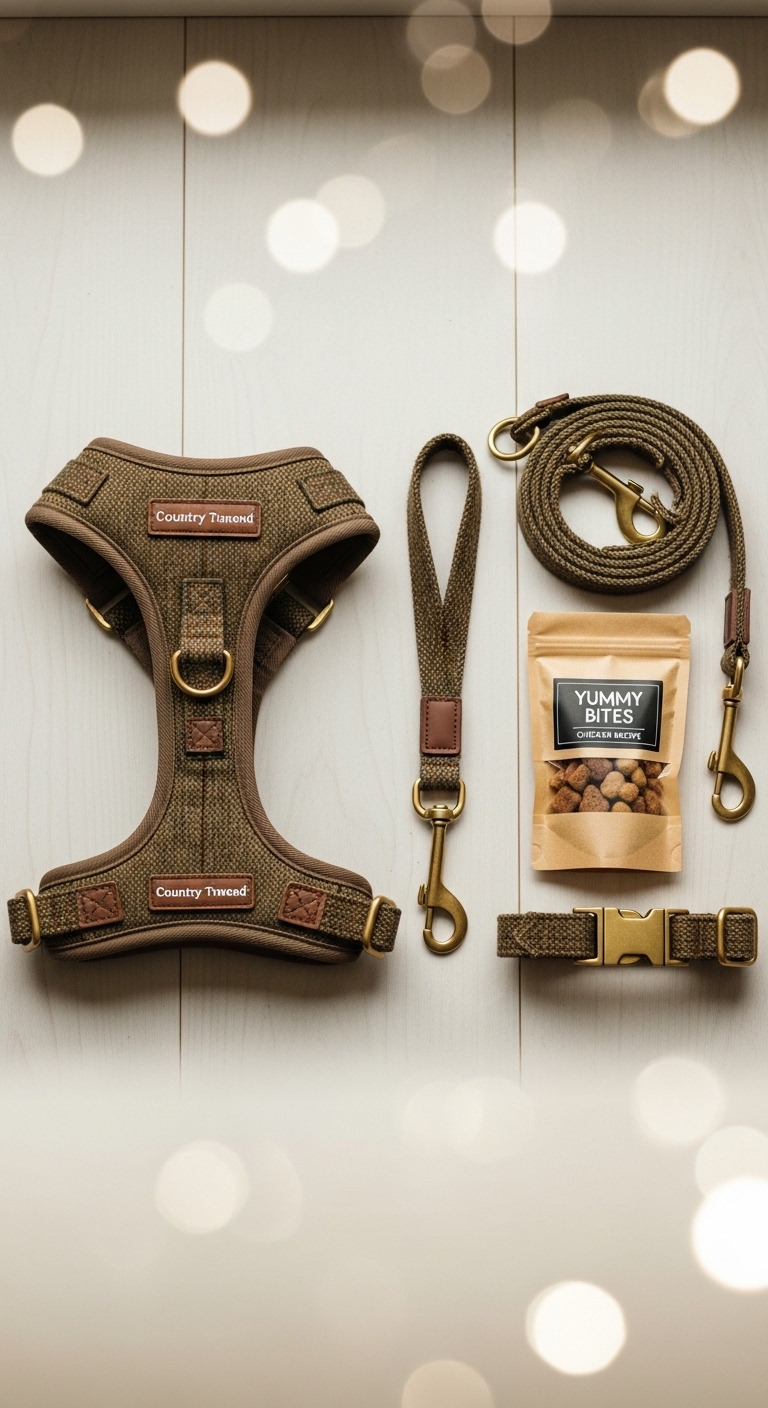
- Introduce the harness gradually: if your dog is nervous, using treats and patience
What to Look For
Watch how your dog moves when wearing the harness for the first time. A well-fitted one shouldn’t restrict their gait or cause them to hunch their shoulders. If they’re constantly scratching at it or trying to rub it off against furniture, the straps might be too tight or the padding insufficient. Pay attention to where the harness sits: if it rides up over their ears or digs into their armpits, it’s not positioned correctly. Also, observe their behavior during walks. A dog that suddenly stops, refuses to move, or tries to back out of the harness may be signaling discomfort.
I’ve seen too many dogs develop hot spots from harnesses left on too long. It’s better to treat it like shoes: on for walks, off when you’re home.
Making the Process Positive
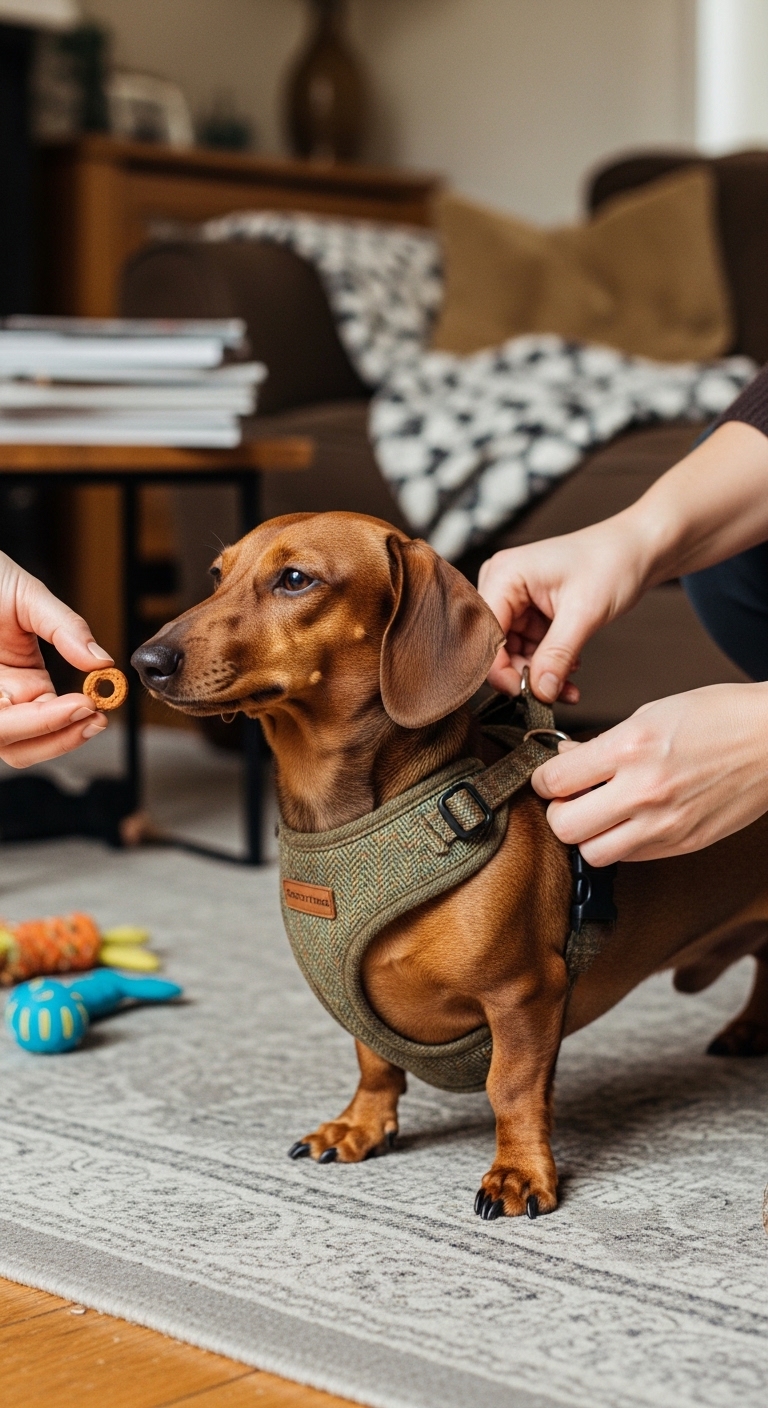
Putting on a harness correctly starts with letting your dog sniff it first. Hold the harness open in front of them and let them investigate the new object at their own pace. This reduces fear and makes the process much easier. If your dog is small or wiggly, try placing the harness on the floor and guiding them through it rather than lifting it over their head. For larger dogs, approach from the side rather than facing them head-on, which can feel confrontational. The goal is to make it a positive experience, so pair the harnessing with treats and praise every step of the way.
Proper Adjustment Techniques
Adjusting the straps properly is where most owners go wrong. Start by loosening all the straps completely, then slip the harness over your dog’s head (or guide them through it if it’s a step-in style). Fasten the chest buckle first, then adjust the straps so the harness sits snugly but not tightly. Many people make the mistake of pulling the straps too tight in an attempt to prevent slipping, but this can cause chafing and restrict breathing. Instead, aim for a fit where you can slide two fingers under any strap without forcing them.
Seasonal Considerations
Seasonal adjustments also play a role in harness comfort. In summer, opt for lightweight, breathable materials to prevent overheating, and avoid walks during peak heat hours. In winter, check for ice buildup between the straps and your dog’s fur, which can pull at their skin when they move. If your dog has a thick coat, you might need to adjust the harness fit slightly looser to accommodate the extra fur volume. Always dry the harness completely after wet walks to prevent mildew and odors.
Getting the harness right is a small effort that pays off in safer, happier walks for both of you.
Frequently Asked Questions
- → Why use a harness instead of a collar?
A harness distributes pressure evenly across your dog’s chest and shoulders, reducing strain on their neck and throat. This is especially important for breeds prone to tracheal collapse or respiratory issues.
- → How tight should the harness be?
The harness should be snug enough to prevent your dog from slipping out but loose enough to fit two fingers between the straps and their skin. Avoid over-tightening, as it can cause discomfort or restrict breathing.
- → What if my dog hates wearing a harness?
Start by letting your dog sniff the harness and rewarding them with treats for positive associations. Gradually introduce the harness for short periods, increasing duration as your dog becomes more comfortable. Patience and positive reinforcement are key.
- → Can I leave the harness on all day?
No, it’s best to remove the harness after walks or training sessions to allow your dog’s skin to breathe and prevent irritation. Regularly check for signs of chafing or discomfort.
- → How do I clean my dog’s harness?
Most harnesses can be hand-washed with mild soap and warm water. Air-dry thoroughly before putting it back on your dog to prevent mold or bacteria buildup. Always follow the manufacturer’s care instructions.
- → What size harness should I get?
Measure your dog’s chest and neck circumference, then refer to the manufacturer’s sizing guide. If between sizes, opt for the larger size and adjust the straps for a secure fit. Puppies may need frequent size adjustments as they grow.