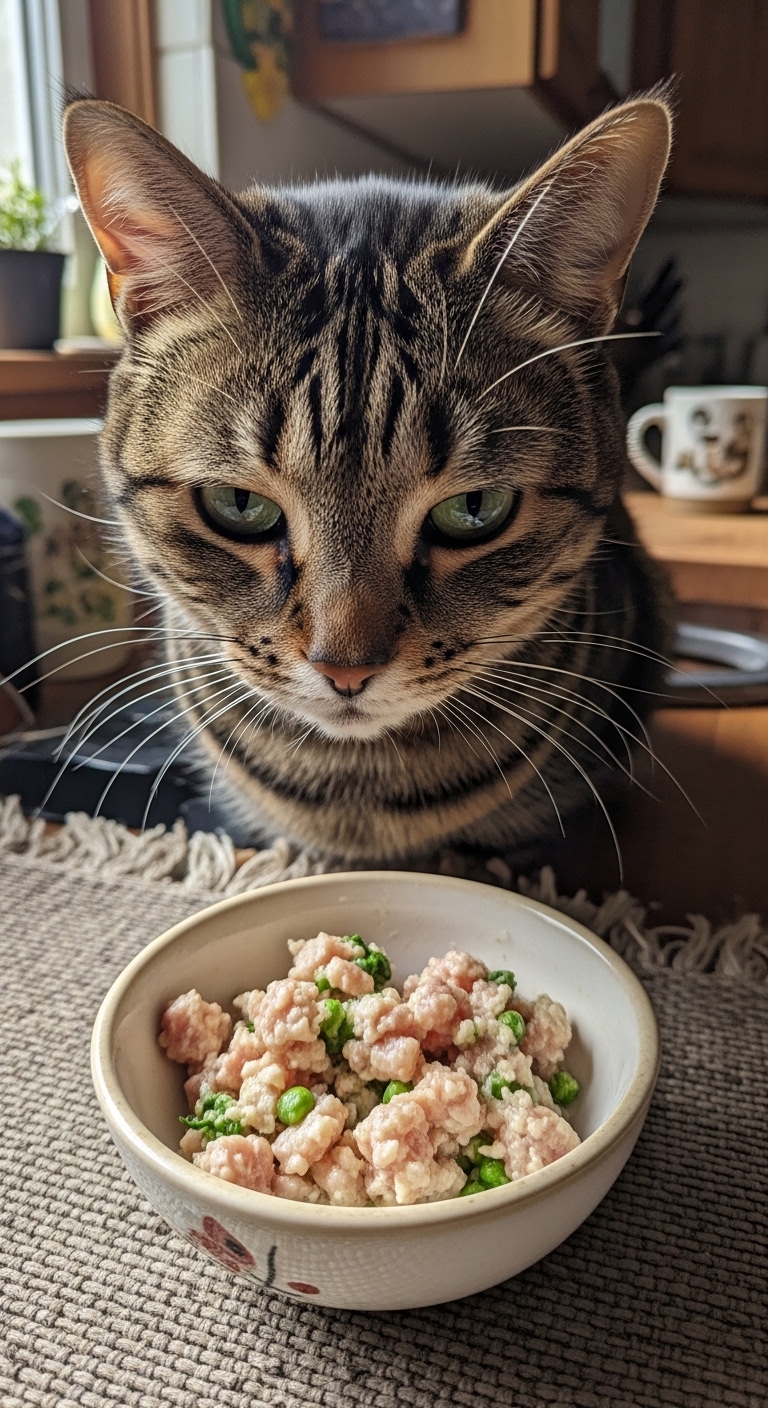
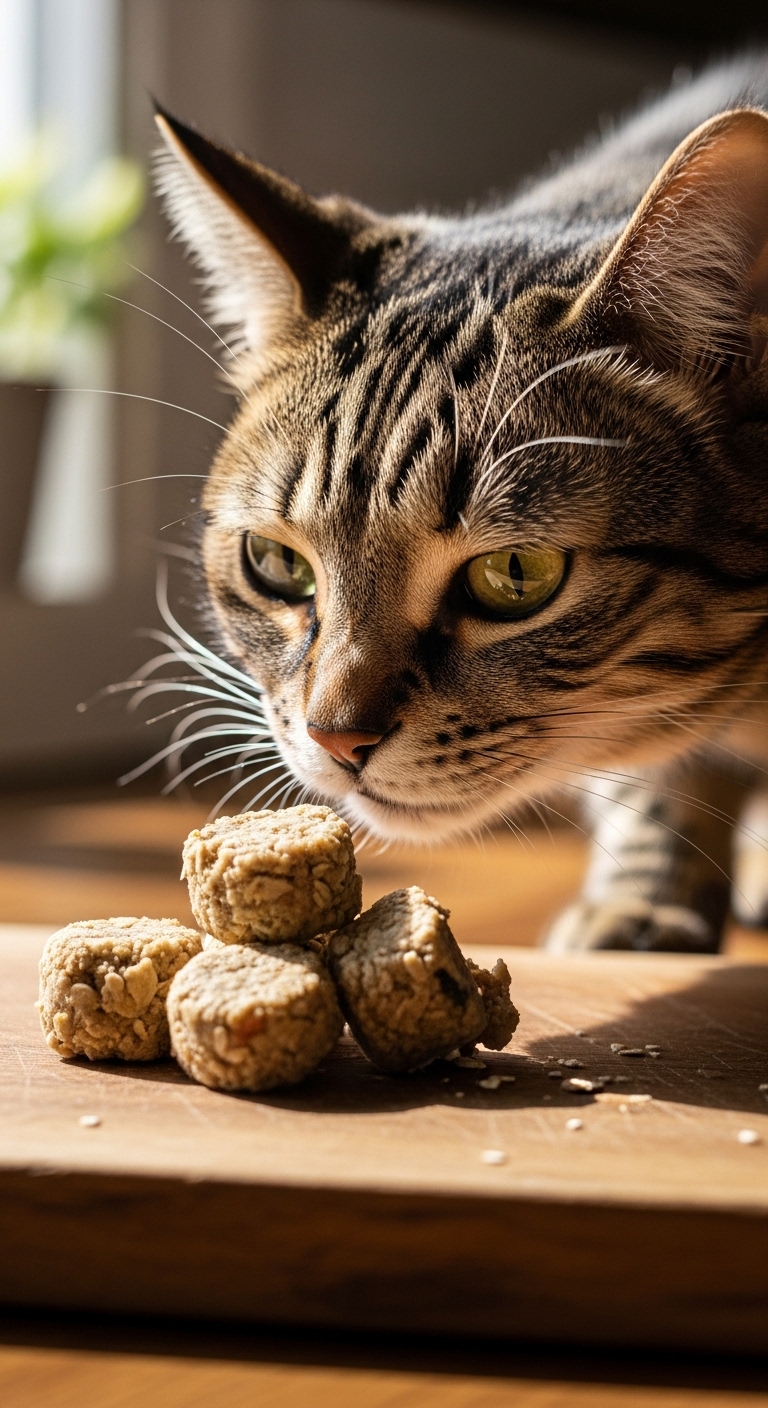
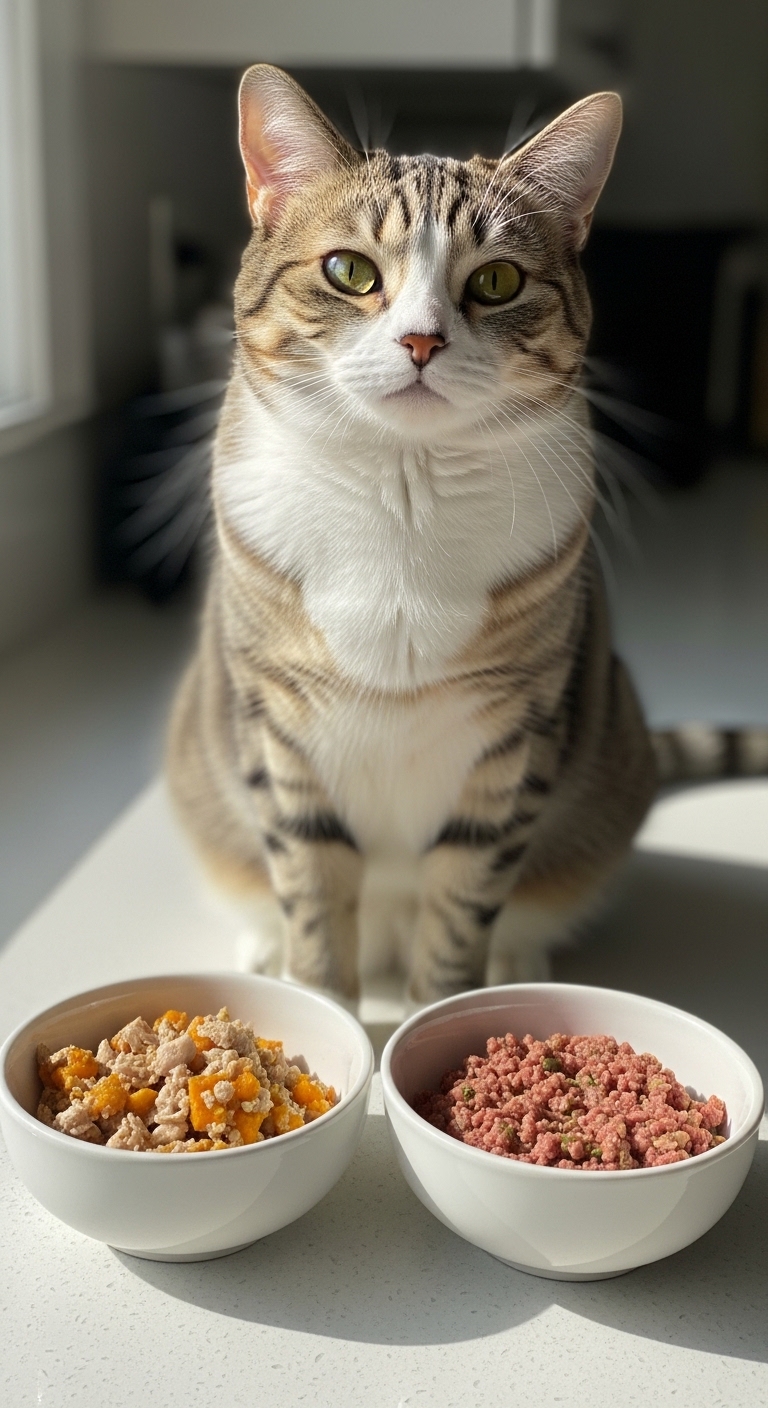
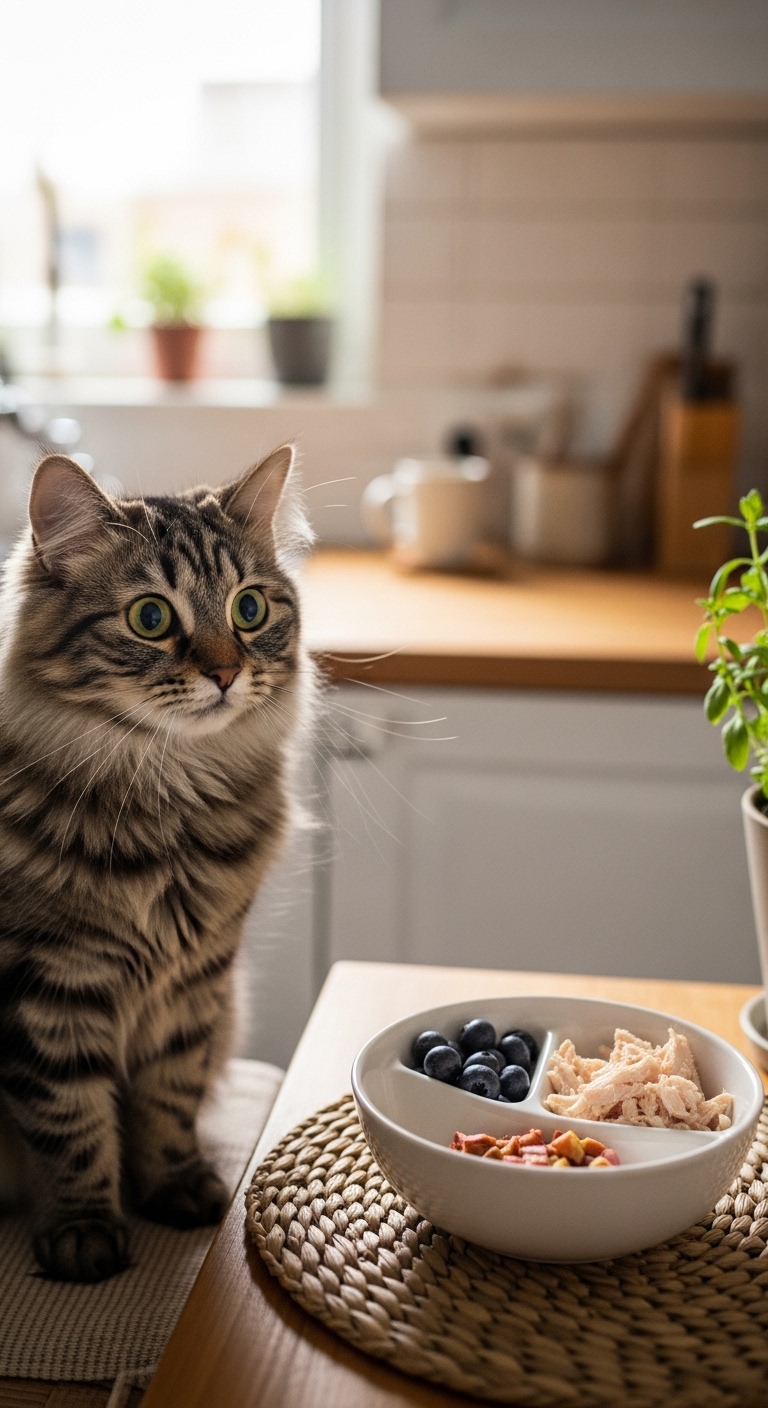
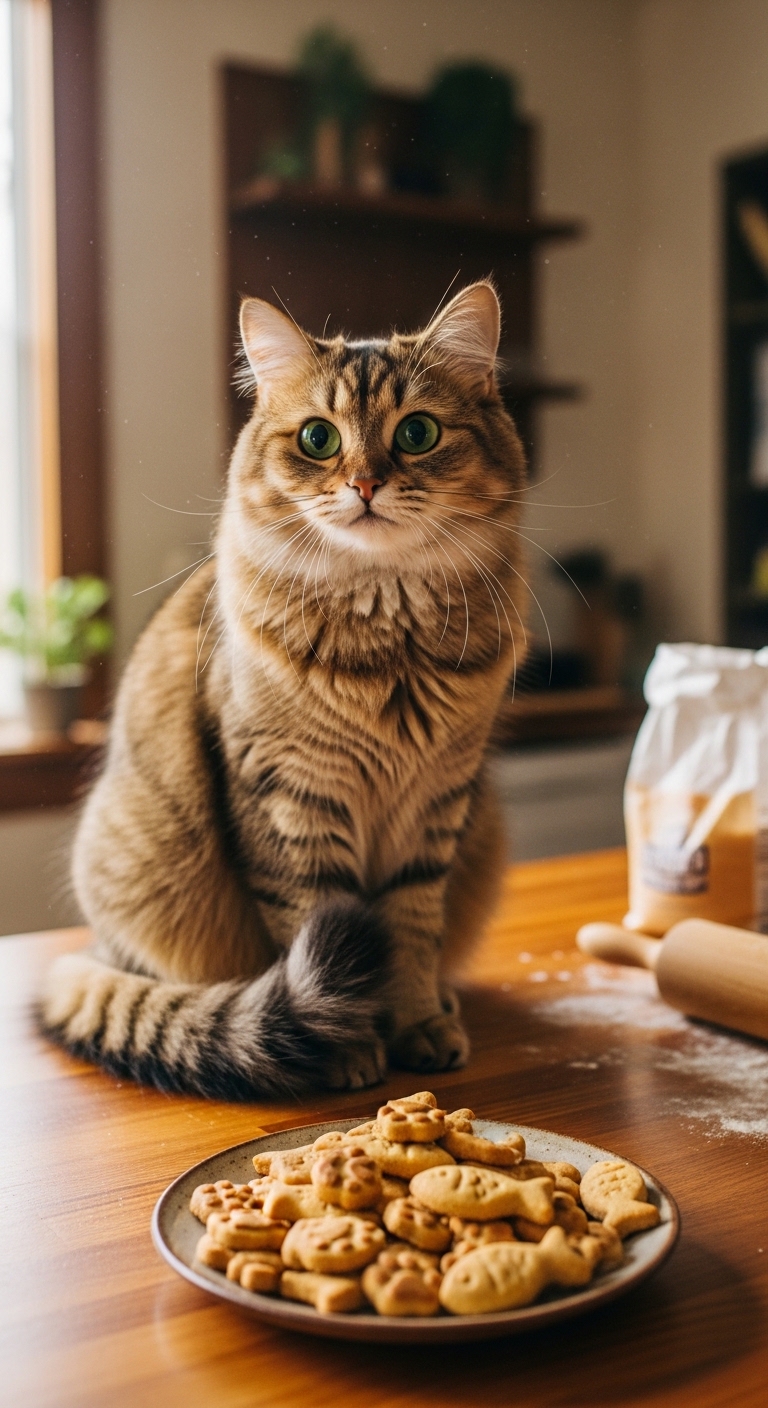
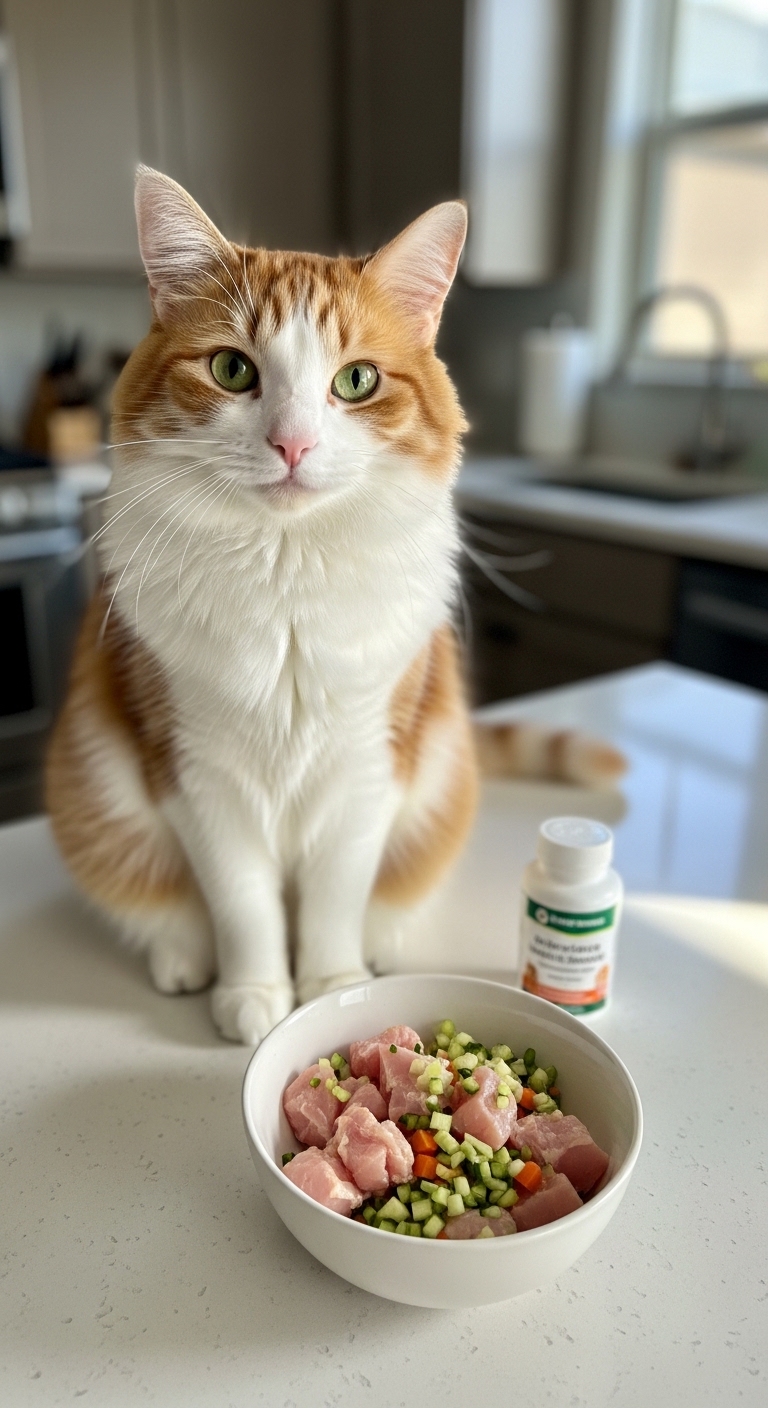
Cat food isn’t just about filling a bowl: it’s about giving your cat meals that keep them energized, healthy, and happy. With so many options on the market, knowing how to prepare food at home can make a real difference in your cat’s diet. Whether you’re looking to avoid fillers, cater to allergies, or simply want to treat your cat to something fresh, a homemade approach can be a game-changer.
I remember the first time I made a simple chicken and pumpkin recipe for my cat. Watching her lick the bowl clean was a reminder that pets don’t just eat for survival: they eat for joy too.
Key Things to Understand
- A balanced cat food recipe must include protein as the first ingredient: This meets their carnivorous needs.
- Taurine is a critical nutrient: Cats can’t produce it on their own, so it must be added to homemade meals.
- Avoid toxic ingredients: Onions, garlic, and excessive salt are harmful to cats.
- Cooking methods matter: Raw meat can carry bacteria harmful to cats and humans.
- Portion sizes should be carefully measured: Base them on your cat’s weight and activity level.
What to Look For
Pay attention to how your cat reacts after meals. A sudden change in energy, digestive issues, or skin irritation could signal an ingredient isn’t agreeing with them. Keep a food diary for the first few weeks to track any patterns. Look for recipes that include organ meats like liver, which provide essential vitamins cats need in small amounts. The texture of the food also matters: some cats prefer finely ground mixtures while others enjoy small, soft chunks. If your cat is a picky eater, try warming the food slightly to enhance the aroma, which can make it more appealing.
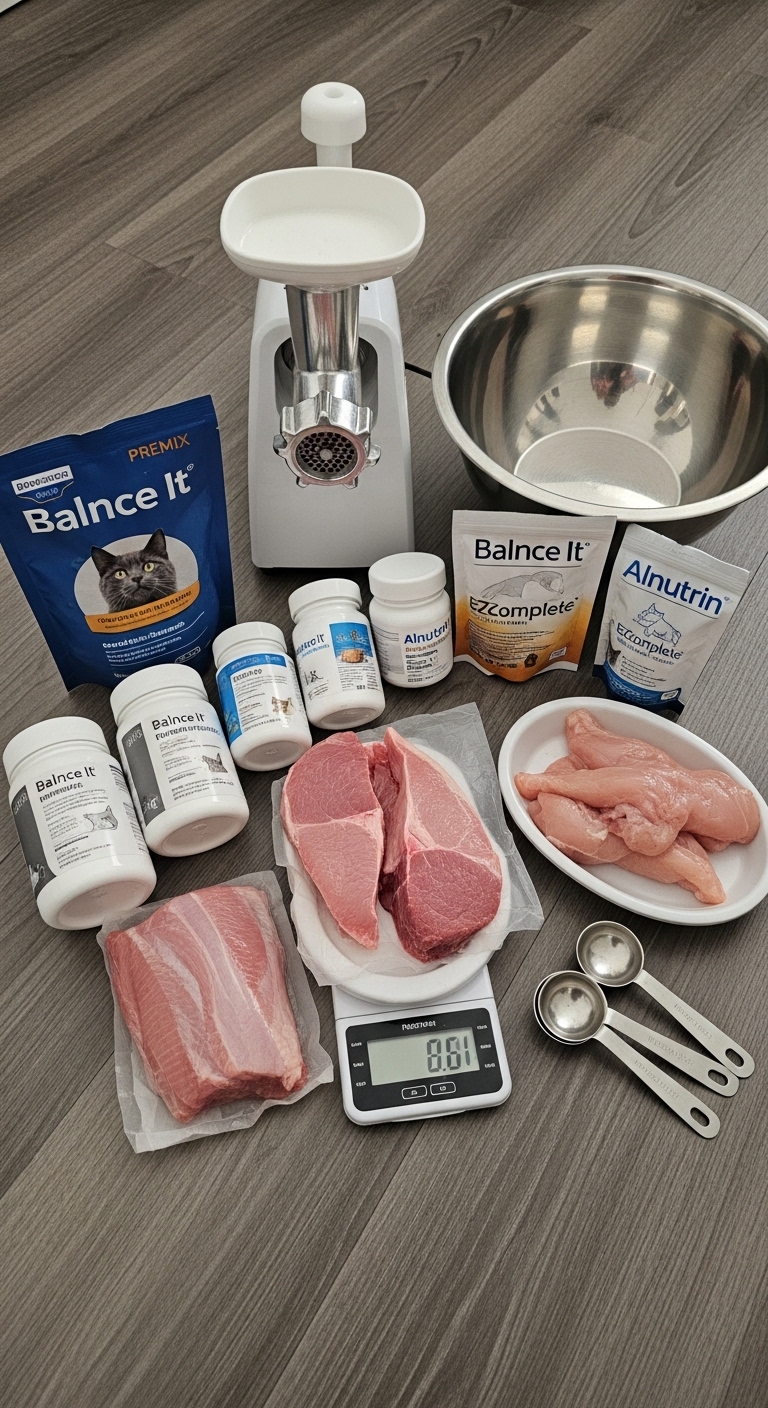
I once made the mistake of adding a pinch of cinnamon to a recipe, thinking it would be harmless. My cat refused to eat it for days, and I had to start over. It’s a good reminder that what seems harmless to us can be off-putting or even dangerous to our pets. Always double-check ingredients before mixing them in.
Daily Care Habits
Cats thrive on routine, so try to feed homemade meals at the same times each day. This helps regulate their digestion and energy levels. If you’re transitioning from dry food, mix a small amount of the new food with their old food over several days to ease the change. Keep fresh water available at all times, especially when feeding homemade food which can be lower in moisture than wet commercial options.
Choosing the Right Product
If you’re not ready to make food from scratch, look for commercial cat foods labeled “complete and balanced” by the Association of American Feed Control Officials. Check the ingredient list for named protein sources like chicken or turkey rather than vague terms like “meat meal.” Avoid foods with artificial colors, flavors, or preservatives that don’t add nutritional value.
Safety and Comfort
Always wash your hands and utensils thoroughly after handling raw meat to prevent cross-contamination. Store homemade food in portions that match your cat’s serving size to avoid repeated thawing and refreezing. If your cat has a sensitive stomach, cook the meat thoroughly to reduce the risk of bacterial contamination.
Cleaning and Hygiene
Wash your cat’s food bowl daily with hot, soapy water to prevent bacterial growth. Consider using ceramic or stainless steel bowls which are easier to clean than plastic. If you’re using a food processor or blender, clean it immediately after use to avoid dried-on food residue that can harbor bacteria.
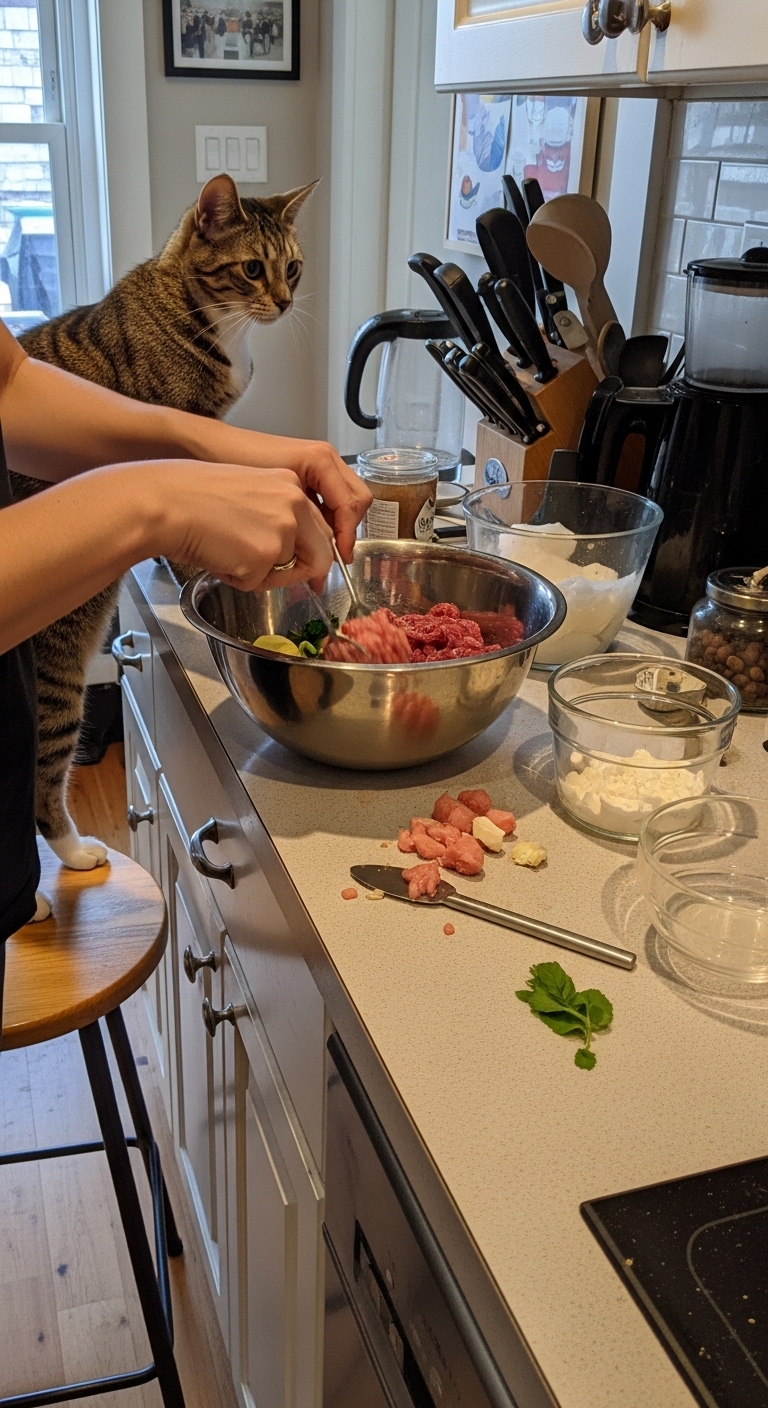
If your cat turns their nose up at a new recipe, don’t give up right away. Sometimes it takes a few tries for them to warm up to the taste.
Frequently Asked Questions
- → Is homemade cat food healthier than store-bought?
Homemade cat food can be healthier if prepared with balanced ingredients. Store-bought options often contain fillers and preservatives, while homemade recipes let you control quality and nutrition.
- → What ingredients should I avoid in cat food?
Avoid onions, garlic, chocolate, caffeine, alcohol, and excessive salt or sugar. These can be toxic to cats. Always research safe ingredients or consult your vet.
- → How often should I feed homemade cat food?
Frequency depends on your cat’s age, weight, and health. Kittens may need daily meals, while adult cats can thrive on 2-3 servings per day. Monitor their weight and adjust portions accordingly.
- → Can I mix homemade food with commercial cat food?
Yes, you can combine both, but ensure the homemade portion meets your cat’s nutritional needs. Transition gradually to avoid digestive upset and consult your vet for guidance.
- → How do I store homemade cat food?
Store in airtight containers in the fridge for up to 3 days or freeze in portioned servings for up to 3 months. Thaw in the fridge before serving to maintain freshness.
- → What’s the best protein source for homemade cat food?
Lean meats like chicken, turkey, or rabbit are excellent choices. Fish can be included occasionally but avoid raw salmon due to potential parasites. Cook all meat thoroughly.